Best Cognac for Steak: A Complete Pairing Guide by Cut and Style
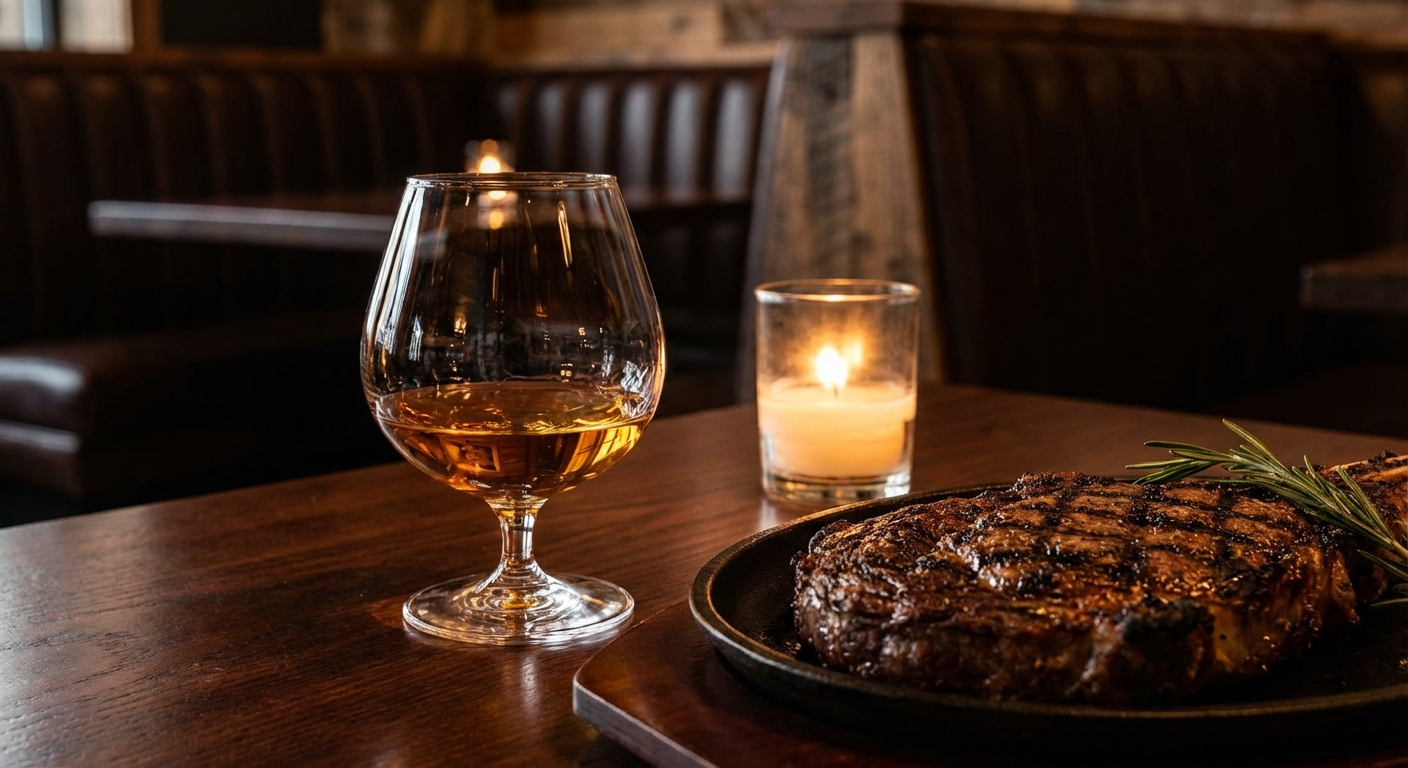
Wine gets the formal pairing. Bourbon owns the steakhouse pour. Scotch has its cult following. But cognac — France's most refined spirit — might be the most natural steak companion that almost nobody thinks to order.
That's a mistake. Cognac is distilled from wine grapes and aged in French oak, giving it a flavor profile that bridges the gap between wine's food-friendliness and whiskey's bold warmth. The dried fruit, vanilla, baking spice, and floral honey notes in a good cognac don't fight beef — they amplify it.
This guide covers exactly which cognac styles pair best with which steak cuts, why the flavor science works, and how to build an unforgettable steak dinner around France's greatest spirit.
Why Cognac and Steak Work Together
Grape-Based Complexity Meets Beef
Unlike grain-based spirits, cognac starts as wine. That grape foundation carries fruit esters, floral aromatics, and a natural acidity that grain spirits simply don't have. When you sip cognac alongside steak, you're getting many of wine's food-pairing advantages — the fruit, the acid, the tannin — concentrated into a spirit that also delivers the warming richness and palate-cleansing power of hard liquor.
French Oak Aging Creates Flavor Bridges
Cognac ages exclusively in French Limousin or Tronçais oak. These barrels are more porous than American oak, allowing deeper spirit-wood interaction. The result is rich vanilla, cinnamon, nutmeg, and dried fruit compounds — the same flavor family created when beef undergoes Maillard browning during a high-heat sear. Your steak's caramelized crust and your cognac's oak character are built from overlapping chemistry.
Natural Acidity Cuts Through Fat
Cognac retains a subtle grape acidity that most whiskeys lack. This acidity, combined with 40% ABV, makes cognac exceptionally effective at cutting through the richness of marbled steak. Where bourbon can sometimes add sweetness on top of richness (creating palate fatigue), cognac's fruit-acid backbone refreshes and resets between bites.
Aromatic Depth Elevates the Experience
Great cognac is extraordinarily aromatic. A properly poured VSOP or XO fills the glass with layers of dried apricot, orange peel, toasted almond, leather, and warm spice before you even take a sip. These aromatics interact with the smell of seared beef on your plate, creating a multisensory dining experience that few other pairings can match.
Understanding Cognac Age Categories
Cognac's classification system directly affects pairing potential. Each age category delivers a different flavor intensity:
VS (Very Special): Minimum 2 years in oak. Bright, fruity, and relatively light-bodied. Vanilla, green apple, citrus, and fresh grape notes dominate. The youngest and most vibrant style — pairs well with lighter preparations and casual grilling.
VSOP (Very Superior Old Pale): Minimum 4 years, typically 5–8 years in practice. More rounded and complex. Dried fruit, caramel, toasted almond, and warm spice emerge. The sweet spot for most steak pairings — enough complexity to stand alongside rich beef without overwhelming leaner cuts.
XO (Extra Old): Minimum 10 years (previously 6, raised in 2018). Rich, deep, and extraordinarily layered. Dark chocolate, leather, tobacco, dried fig, candied orange, and rancio (a prized nutty, mushroomy note from extended aging). Reserved for the finest cuts and most special occasions.
XXO / Hors d'Âge: Minimum 14 years for XXO, often 20–50+ years in practice. The pinnacle. These are meditation spirits that pair with only the most exceptional beef — think A5 wagyu or dry-aged prime ribeye.
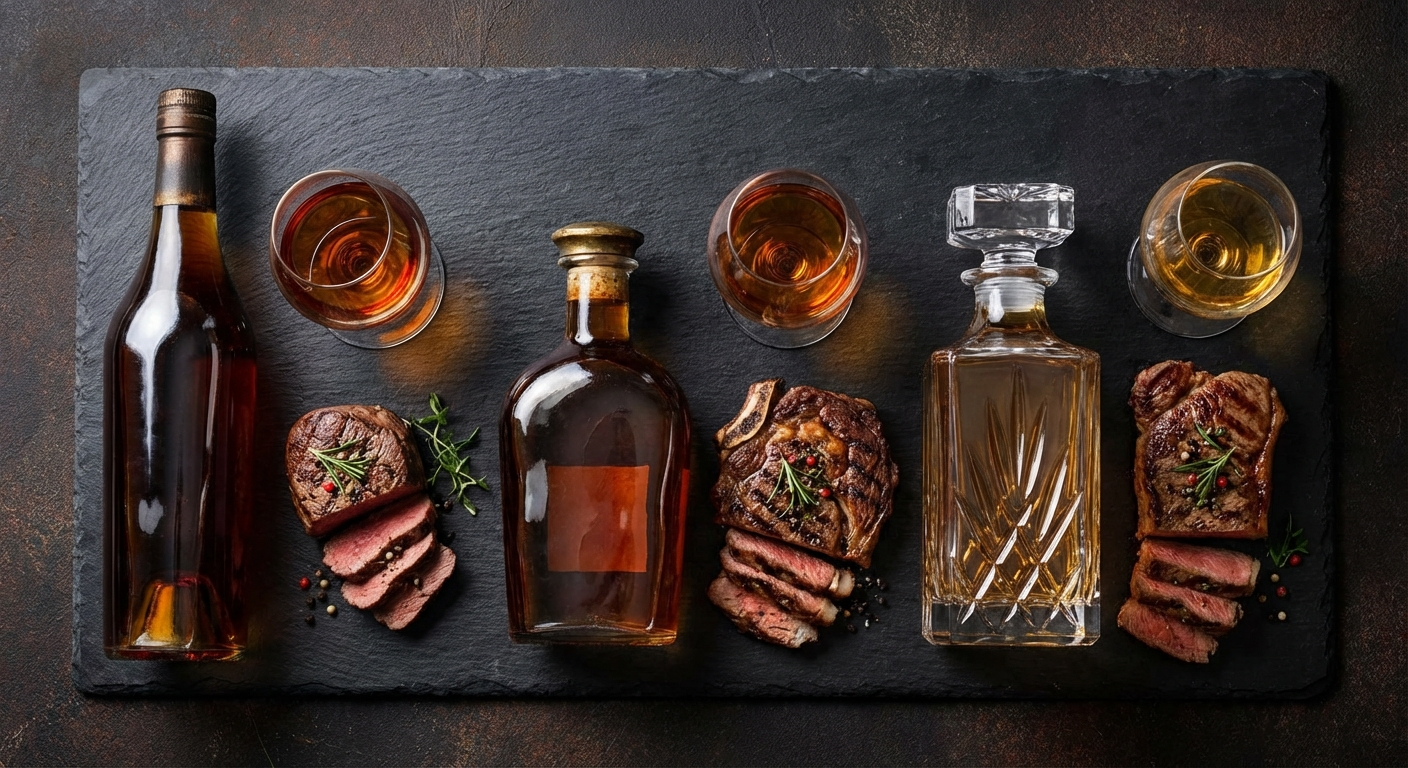
Best Cognac for Every Steak Cut
Ribeye → VSOP or XO with Sherry-Like Richness
Ribeye's generous marbling and intense beefy flavor need a cognac with enough body and dried fruit richness to match. VSOP expressions from houses known for richer styles work beautifully, and XO is the ideal tier for a special ribeye dinner.
Why it works: The ribeye's fat renders into buttery richness that coats your palate. Cognac's grape acidity and alcohol cut through that coating, while its dried fruit and spice notes — raisin, fig, cinnamon — complement the caramelized fat cap. The pairing creates a push-and-pull between richness and refreshment that keeps every bite and sip interesting.
Top picks: Rémy Martin XO (dried fruit, cinnamon, chocolate — built for rich food), Martell Cordon Bleu (round, spiced, elegant — a steakhouse classic), Hennessy VSOP Privilège (caramel, vanilla, baking spice — accessible but complex enough for ribeye), Courvoisier XO (floral yet rich — adds an aromatic dimension).
How to serve: In a tulip glass or small snifter, neat at room temperature. With ribeye's fat content, you don't need water or ice — the cognac's natural acidity does the work. Pour 1.5–2 ounces and sip slowly between bites.
Filet Mignon → VS or Young VSOP
The filet's delicate texture and mild flavor require a lighter cognac touch. Older, more intense expressions can steamroll filet mignon — you want freshness and fruit here, not deep oak and leather.
Why it works: Filet mignon is the most tender, least fatty major steak cut. Its clean beef flavor shines best with a cognac that adds brightness rather than weight. A VS or young VSOP brings citrus, fresh grape, vanilla, and gentle spice — enhancing the filet's subtle qualities rather than burying them.
Top picks: Hine Rare VSOP (exceptionally elegant — floral, honeyed, light touch of spice), Pierre Ferrand 1840 Original Formula (bright citrus, vanilla, designed for cocktails but stunning neat alongside filet), Camus VSOP Elegance (light dried fruit, gentle, food-friendly), Hardy VS (fresh grape, apple, clean finish).
How to serve: Neat in a tulip glass. These lighter expressions show their best at slightly cool room temperature (around 65°F). One large ice cube also works here — the slow dilution opens up the fruit aromatics beautifully alongside the mild filet.
New York Strip → VSOP (The Perfect Middle Ground)
The New York strip sits right in the center of the steak spectrum — more flavor and fat than filet, leaner than ribeye. VSOP cognac matches that balance perfectly.
Why it works: The strip's firm texture, clean beefy flavor, and moderate fat strip along one edge create a well-rounded eating experience. VSOP cognac mirrors this balance — complex enough to be interesting, smooth enough not to compete. The caramel and dried fruit in a well-aged VSOP complement the strip's Maillard crust, while the spirit's structure matches the steak's confident, no-nonsense character.
Top picks: Rémy Martin VSOP (the benchmark — balanced vanilla, fruit, spice), Hennessy VSOP Privilège (slightly richer — caramel leans into the char), Frapin VSOP (grape-forward, elegant, excellent food pairing cognac), Delamain Pale & Dry XO (technically XO but lighter-styled — grande champagne finesse that elevates strip steak).
How to serve: Neat, room temperature. No ice needed. VSOP is the most versatile tier and works at standard serving conditions without fuss. Pour 2 ounces and let it sit for 2 minutes before tasting — the aromatics will bloom.
T-Bone or Porterhouse → Rich VSOP or Entry XO
The T-bone gives you both strip and tenderloin on one plate — two textures, two flavor profiles. You need a cognac flexible enough to pair with both sides of the bone.
Why it works: A rich VSOP or young XO has enough fruit sweetness to match the tender filet side and enough oak depth to stand up to the strip side. The cognac acts as a unifier, tying both cuts together through its warming spice and vanilla notes.
Top picks: Martell XO (balanced, versatile — chocolate and spice work with both cuts), Rémy Martin XO (dried fruit richness bridges the gap), Hennessy XO (bold enough for strip, refined enough for tenderloin), Hine Antique XO (delicate and complex — for when the porterhouse is the best you can buy).
Wagyu → XO, XXO, or Vintage
Wagyu's extreme marbling and rich umami demand cognac's finest expressions. This is where XO and above earn their price tag.
Why it works: A5 wagyu or American wagyu with BMS 9+ delivers an almost overwhelming richness — pure, buttery beef flavor that coats every surface of your mouth. You need a spirit with serious acidity, aromatic complexity, and enough age-derived depth to create a genuine conversation with the beef. Young cognac gets lost. XO's decades of barrel time produce the rancio, dried fruit concentration, and layered spice needed to match wagyu's intensity.
Top picks: Louis XIII (the pinnacle — if the wagyu justifies it, so does the pour), Rémy Martin Louis XIII (up to 100-year-old eaux-de-vie — dried rose, fig, leather, infinite complexity), Delamain Extra (grande champagne, 40+ years — rancio and dried fruit that mirrors wagyu's umami), Frapin Château Fontpinot XO (single estate, gorgeous concentration), Hine Bonneuil (single vintage, terroir-driven — pair with wagyu for a true "place and product" experience).
How to serve: Absolutely neat. No ice, no water, no distractions. Warm the glass gently in your palm. With wagyu, you're eating small pieces slowly — match that tempo with careful, measured sips. Let each sip linger before your next bite.
Cognac and Steak Cooking Methods
Charcoal Grilled → VS or VSOP with Bright Fruit
Charcoal grilling adds smoky, bitter char notes that need a cognac bright enough to balance them. The fresh fruit and citrus in younger cognac cut through char beautifully — similar to squeezing lemon on grilled fish. Hardy VS, Pierre Ferrand 1840, or Camus VS all work well. Avoid heavy XO here — the oak tannins plus char bitterness can create excessive dryness.
Cast Iron Seared → VSOP (Ideal Match)
Cast iron creates the most uniform Maillard crust — a deep, even caramelization without charcoal's smoke. This is cognac's sweet spot. The caramel and vanilla in VSOP cognac directly mirror the flavors in that seared crust. Rémy Martin VSOP or Frapin VSOP with a butter-basted cast iron strip is one of the best steak pairings you'll ever experience.
Reverse Seared → XO (Maximum Flavor Extraction)
Reverse searing (low oven, then hot sear) produces the most evenly cooked, edge-to-edge pink steak with a thin, intense crust. The result is concentrated beef flavor and perfect texture — steak at its most refined. Match with XO cognac for a meal that rewards patience and precision on both sides of the glass.
Smoked → VS or Cocktail
Heavily smoked steak (like a smoked then seared tomahawk) brings intense wood flavor that can overpower neat spirits. Use a bright VS or make a simple cognac cocktail — a Sidecar (cognac, Cointreau, lemon juice) or cognac and ginger ale — to cut through the smoke with citrus and effervescence.
Building a Cognac Steak Dinner
The Three-Pour Format
For a memorable dinner party, serve three cognacs across the meal:
Aperitif (before dinner): A VS or young VSOP on a large ice cube. Clean, bright, appetite-stimulating. This primes the palate with fruit and vanilla without filling anyone up. Try Pierre Ferrand 1840 or Hardy VS Organic.
Main course (with steak): VSOP or XO matched to your cut using the pairing guide above. Serve neat at room temperature in tulip glasses. Pour 2 ounces per person.
Digestif (after dinner): Your best bottle — XO or above. This is the contemplative pour while conversation flows. Delamain Extra, Frapin Château Fontpinot XO, or if you're celebrating, a pour of Louis XIII. Small pours (1 ounce) are plenty.
Side Dishes That Bridge Cognac and Steak
Choose sides that share flavor compounds with cognac: roasted root vegetables (caramelization mirrors cognac's oak sugars), mushrooms (earthy umami echoes rancio notes), caramelized onions (sweet and savory bridge), gratin dauphinois (cream and nutmeg complement cognac's warmth), or a simple arugula salad with walnut (bitter greens and nuts mirror cognac's tannin and nuttiness).
Temperature and Glassware
Serve cognac at room temperature (around 68°F) in tulip-shaped glasses or small snifters. Avoid oversized balloon snifters — they concentrate alcohol vapor and obscure the delicate aromatics. The tulip shape channels fruit and floral notes to your nose while containing the alcohol heat. Never microwave or flame-warm cognac. Hold the glass in your palm for 30 seconds if it's been stored cool.
Common Mistakes to Avoid
Drinking too old with too young a steak: An XO cognac with a basic supermarket sirloin is a waste of the spirit. Match your cognac's quality tier to your steak's quality. Grocery store steak? VS or entry VSOP. Prime dry-aged? VSOP or XO. Wagyu? XO and above.
Serving too cold: Refrigerating or over-icing cognac kills its aromatics. You need those aromatics for food pairing — they're half the experience. Room temperature, always, unless you're using VS in a cocktail.
Pouring too much: Cognac is sipped, not gulped. 1.5–2 ounces for the main course is ideal. Overpouring leads to palate fatigue before your steak is half finished. You can always pour a second measure — you can't un-drink a heavy-handed pour.
Ignoring the sauce: If your steak comes with a peppercorn sauce, red wine reduction, or blue cheese butter, factor that into your cognac choice. Heavy sauces need richer cognac (XO). Clean salt-and-pepper preparations give you more flexibility across the range.
Skipping water: Keep still water on the table. A sip of water between cognac and steak resets your palate completely, letting you taste each element fresh. This is standard practice in cognac houses during blending sessions — it works even better at dinner.
Cognac Cocktails That Work With Steak
Not everyone wants to sip spirits neat. These cognac cocktails complement steak without overwhelming it:
Cognac Old Fashioned: 2 oz VSOP cognac, 1 tsp demerara syrup, 2 dashes Angostura bitters, orange peel. The original Old Fashioned was made with cognac before bourbon took over. Its bittersweet simplicity works beautifully alongside a charcoal-grilled steak.
Sidecar: 2 oz VSOP cognac, 1 oz Cointreau, 0.75 oz fresh lemon juice. Bright, citrusy, and refreshing — ideal with fattier cuts where you want acidity to cut through richness.
Stinger: 2 oz cognac, 0.75 oz white crème de menthe. A classic steakhouse digestif. The mint refreshes the palate after a rich meal. Serve on crushed ice after the main course.
French Connection: 1.5 oz cognac, 0.75 oz Amaretto. Almond and oak — warm, nutty, and decadent. Best as a post-steak sipper rather than alongside the meat.
Final Thoughts
Cognac and steak deserve each other. The spirit's grape-based acidity, French oak warmth, and extraordinary aromatic depth create a pairing that rivals wine for sophistication and beats most whiskeys for food compatibility. The age classification system makes matching easy — VS for casual grilling, VSOP for everyday steak nights, XO for special occasions.
Start with a bottle of Rémy Martin VSOP or Hine Rare VSOP, sear a New York strip in cast iron with butter and thyme, and pour yourself two ounces neat. That first sip alongside perfectly crusted beef — vanilla and caramel meeting Maillard char — will change how you think about steak night.
Frequently Asked Questions
What is the best cognac to drink with steak?
Rémy Martin VSOP and Hine Rare VSOP are excellent all-around steak cognacs. For rich cuts like ribeye, try Rémy Martin XO or Martell Cordon Bleu. For leaner cuts like filet mignon, Pierre Ferrand 1840 or Camus VSOP work beautifully.
Should cognac be served neat or on the rocks with steak?
Neat at room temperature is ideal for steak pairing. Cognac's aromatics are essential to the pairing experience, and ice suppresses them. For younger VS expressions in casual settings, a single large ice cube is acceptable.
Is VSOP or XO better with steak?
VSOP is the most versatile steak cognac — it pairs well with nearly every cut and cooking method. XO is better reserved for premium cuts like wagyu, dry-aged ribeye, or special occasion steaks where the spirit's complexity can match the beef's quality.
Can you use cognac in steak sauce?
Absolutely. Cognac makes an exceptional pan sauce. After searing your steak, deglaze the pan with 2 ounces of VS or VSOP cognac (you can flambé for drama), add shallots, beef stock, butter, and a splash of cream. The grape brandy adds a depth that wine-based sauces can't match.
Is cognac better than whiskey with steak?
They offer different experiences. Cognac brings grape-based acidity and floral complexity that whiskey lacks, making it more food-friendly in many ways. Whiskey brings bolder grain sweetness and smoke. For a refined steak dinner, cognac often edges ahead. For casual grilling, whiskey may feel more natural.
More Pairing Guides
Best Bourbon for Pork Ribs vs Beef Ribs: Complete Pairing Guide
Pork ribs and beef ribs aren't interchangeable when it comes to bourbon pairing. Fat content, smoke intensity, and flavor depth determine which bottle works best. Here's the complete breakdown.
12 min readBest Bourbon for BBQ Ribs: 7 Perfect Pairings (Tasted & Ranked)
Not every bourbon works with every style of ribs. Here are 7 bourbon pairings ranked by rib type, sauce style, and smoke profile — with specific bottles tested against real BBQ.
10 min readBest Wine with Tri-Tip: Expert Pairing Guide
Tri-tip demands wines with enough structure to match its intensity while complementing its smoky, savory profile.