Best Red Wine for BBQ: Bold Pairings for Every Smoked Meat
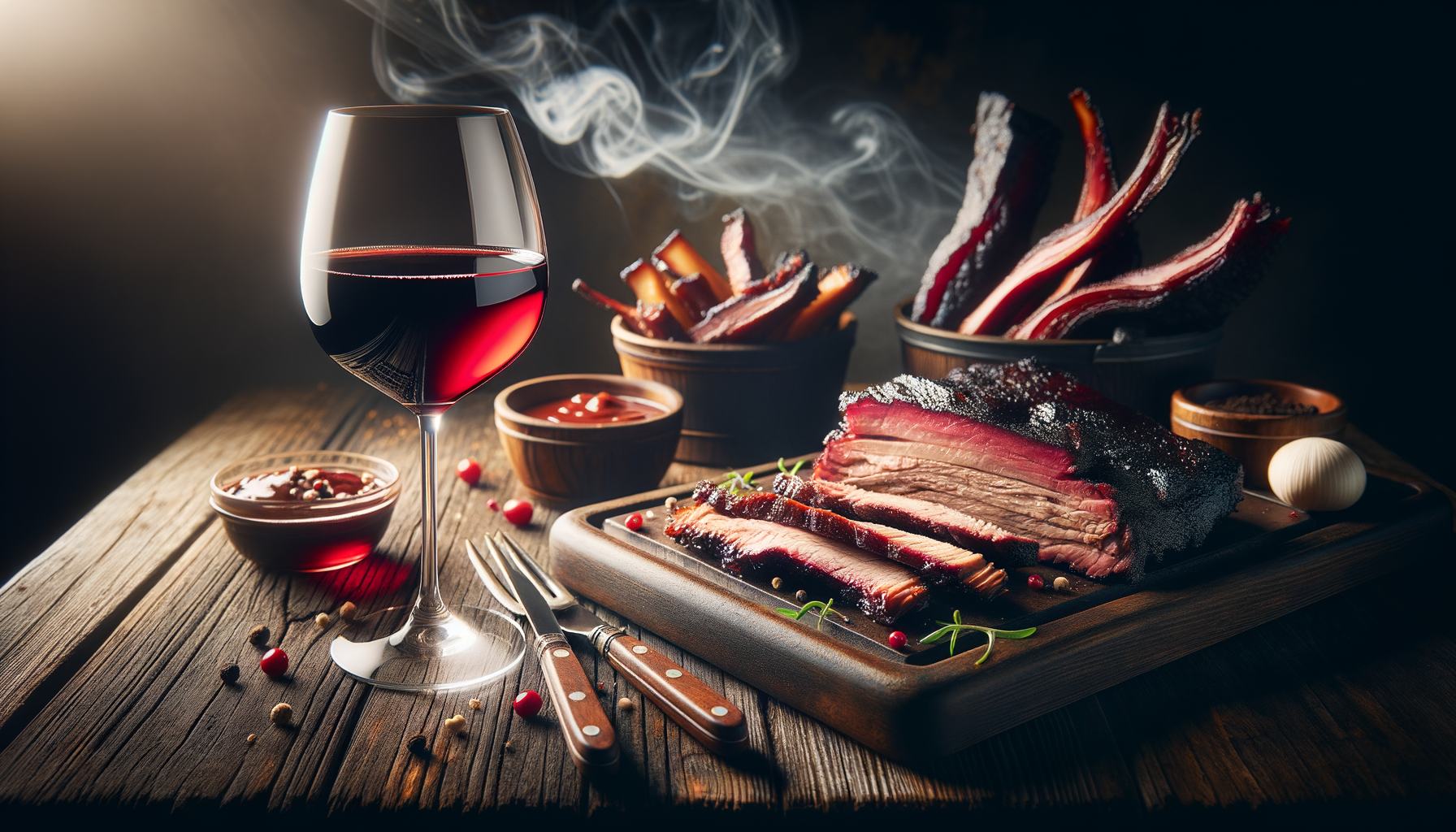
Wine and barbecue seem like they belong to different worlds. One lives in tasting rooms and white tablecloths. The other lives in backyards and smoke-stained pits. But the best red wines for BBQ aren't trying to be fancy — they're fruit-forward, bold, and built to handle the intensity that slow-smoked meat brings to the table.
The challenge with pairing wine to BBQ is that barbecue isn't one flavor. It's a spectrum — from the gentle sweetness of apple-wood-smoked chicken to the aggressive char and pepper bark of a Texas-style brisket. The sauce matters too. A vinegar-based Carolina mop calls for a completely different wine than a thick, sweet Kansas City glaze.
This guide breaks down the best red wine varietals for every major BBQ style, with specific bottle recommendations and the flavor logic behind each pairing.
Why Red Wine Works With BBQ: The Flavor Science
Red wine and barbecue share a surprising amount of chemical ground. Understanding why they work together helps you make better pairing decisions beyond memorized rules.
Smoke and oak are the same language. The aromatic compounds in wood smoke — guaiacol, syringol, and vanillin — are the same molecules red wine absorbs during oak barrel aging. When you drink a barrel-aged Zinfandel alongside smoked ribs, your palate reads the smoke from both sources as one unified flavor. The wine doesn't compete with the smoke; it amplifies it.
Tannins cut through fat. BBQ meats are rich. Brisket, pork shoulder, and ribs carry significant fat content that coats your palate. The tannins in red wine bind to the proteins in that fat, literally scrubbing your palate clean between bites. This is why a tannic Cabernet feels refreshing next to fatty brisket — it resets your mouth for the next bite.
Fruit sweetness balances smoke bitterness. Heavy smoke can push into bitter territory, especially on bark-heavy cuts. The ripe fruit character in wines like Zinfandel, Malbec, and Grenache provides a counterweight that keeps the overall flavor profile balanced. The wine's natural sweetness (even in dry wines) softens the aggressive edges of char and smoke.
Acidity matches vinegar-based sauces. Many BBQ traditions rely on vinegar — Carolina whole hog, Alabama white sauce, and most mop sauces. Red wines with bright acidity (Barbera, Sangiovese, cool-climate Syrah) mirror that tang rather than fighting it. The pairing feels natural because both elements occupy the same flavor space.
Best Red Wines for Brisket
Brisket is the king of BBQ — and the hardest to pair. A properly smoked brisket has a peppery bark, a fatty point with intense beef flavor, and a leaner flat that's more subtle. The wine needs to handle all three zones.
Malbec (Top Pick for Brisket)
Argentine Malbec is the ideal brisket wine. It brings dark plum fruit, a velvety texture, and moderate tannins that cut through the fat without overwhelming the beef flavor. The key is Malbec's natural earthiness — it has a dusty, mineral quality that complements the smokehouse character of the bark.
Look for Malbec from Mendoza's Uco Valley (Catena, Zuccardi, Achaval-Ferrer) at the $15-25 range. These have enough concentration to stand up to brisket without the oak-bomb treatment that would fight the smoke.
Paso Robles Cabernet Sauvignon
California Cabernet from Paso Robles hits a sweet spot for brisket. It's riper and softer than Napa Cab, with dark fruit and cocoa notes that mirror the Maillard-crusted bark. The moderate tannin structure handles the fat, while the fruit-forward profile keeps pace with sweet BBQ sauce if that's your style.
Avoid overly tannic, austere Bordeaux-style Cabs. You want warmth and generosity, not austerity. Austin Hope, J. Lohr Hilltop, and Daou are reliable picks under $30.
Petite Sirah
For competition-style brisket with a thick, peppery bark and maximum smoke, Petite Sirah is a dark horse pick. It's one of the most intensely flavored red wines available — inky dark, packed with blueberry and black pepper, with tannins that can wrestle a fatty point end into submission. It's not subtle, but neither is a 14-hour brisket.
Best Red Wines for Pulled Pork
Pulled pork is sweeter and more delicate than brisket. The shredded texture and the pork's natural sweetness — amplified by most BBQ sauces — need a wine that brings fruit and freshness, not brute tannin force.
Zinfandel (Top Pick for Pulled Pork)
Zinfandel is the American BBQ grape. Its jammy raspberry and blackberry fruit, hint of spice, and moderate tannins are practically designed for pulled pork. Old-vine Zinfandel from Lodi or Dry Creek Valley adds complexity with brambly, peppery notes that complement both vinegar-based and tomato-based sauces.
The slight residual sweetness in many Zinfandels (even "dry" ones often sit at 3-5 g/L sugar) bridges the gap with sweet BBQ sauces beautifully. Ridge Vineyards, Turley, and Seghesio are benchmark producers.
Côtes du Rhône (Grenache Blend)
Southern Rhône blends — primarily Grenache with Syrah and Mourvèdre — bring a Mediterranean warmth that loves pork. The Grenache contributes red fruit and a round, generous texture. The Syrah adds a smoky, meaty dimension. And the Mourvèdre provides just enough tannic grip to keep things interesting.
At $12-18, Côtes du Rhône is one of the best value-to-quality ratios in wine. E. Guigal, Perrin, and Château de Beaucastel's Coudoulet all deliver consistently.
Pinot Noir (For Carolina-Style)
Carolina pulled pork with vinegar sauce is lighter and tangier than its Kansas City cousin. A medium-bodied Pinot Noir — especially Oregon Willamette Valley — matches this restrained style beautifully. The wine's bright cherry fruit and vibrant acidity echo the vinegar tang without adding heaviness. Skip the heavy, oaky Pinots; you want freshness here.
Best Red Wines for Smoked Ribs
Ribs fall between brisket and pulled pork on the intensity scale. Baby backs are leaner and sweeter. Spare ribs and St. Louis cuts are fattier and more robust. Your wine choice should shift accordingly.
Syrah/Shiraz (Top Pick for Ribs)
Syrah is the ultimate rib wine. Northern Rhône Syrah (Crozes-Hermitage, Saint-Joseph) brings a smoky, peppery character that could have been designed in a smokehouse. Australian Shiraz from Barossa Valley goes bigger — more fruit, more oak, more everything — which works beautifully with ribs slathered in thick, sweet sauce.
The key flavor connection is black pepper. Both dry-rubbed ribs and Syrah/Shiraz are loaded with rotundone — the compound responsible for peppery aroma. The wine and the meat literally share the same spice molecule.
Primitivo
Italy's Primitivo (genetically identical to Zinfandel but stylistically distinct) brings ripe dark fruit and a slightly rustic edge that pairs brilliantly with spare ribs. Primitivo from Puglia tends to be richer and more concentrated than most Zinfandel, with dried fig and tobacco notes that complement heavy smoke. And it's absurdly affordable — excellent bottles run $10-15.
Tempranillo (Rioja Crianza)
Spanish Rioja Crianza, aged in American oak, develops vanilla and coconut notes that pair remarkably well with ribs cooked over fruitwood (apple, cherry). The Tempranillo grape provides medium tannins, red fruit, and a savory quality that bridges meat and sauce. Look for Crianza (1 year oak, 1 year bottle) rather than Gran Reserva — you want freshness, not a museum piece.
Best Red Wines for Smoked Chicken & Turkey
Smoked poultry is the lightest BBQ category. The smoke is more delicate, the meat is leaner, and heavy red wines will bulldoze the flavors. Think medium-bodied reds with bright fruit.
Gamay (Beaujolais)
Cru Beaujolais — Morgon, Fleurie, Moulin-à-Vent — is the perfect smoked chicken wine. It has the red fruit and freshness to match lighter smoke, with just enough earthy funk to feel like a real pairing rather than a glass of grape juice. Serve it slightly chilled (60°F) for the best effect alongside warm-from-the-smoker chicken.
Mencía
Spain's Mencía from Bierzo is an underdog pick that deserves attention. It has the aromatic complexity of Pinot Noir, the body of medium-weight Syrah, and a distinctive floral-mineral character that complements the subtle sweetness of smoked turkey. It's becoming easier to find in the US, with Descendientes de J. Palacios and Bodegas Pittacum leading the charge.
Best Red Wines for Smoked Sausage & Links
BBQ sausage — whether Texas hot links, andouille, or kielbasa — is spiced, fatty, and often quite peppery. The wine needs to match that boldness without adding heat.
Carménère
Chilean Carménère has a natural green pepper and spice character that mirrors the seasoning in most BBQ sausages. Its medium body and smooth tannins handle the fat without fighting the spice. Concha y Toro's Terrunyo and De Martino's Legado are excellent starting points.
Nero d'Avola
Sicily's signature red grape brings dark cherry fruit, dried herbs, and a savory finish that loves cured and smoked meats. It's built for fatty, spiced foods — which is exactly what BBQ sausage is. The moderate tannins and bright acidity keep the richness in check.
Red Wine Pairing Chart by BBQ Style
| BBQ Meat | Top Red Wine Pick | Runner-Up | Avoid |
|---|---|---|---|
| Brisket (Texas-style) | Malbec | Paso Robles Cab | Light Pinot Noir |
| Pulled Pork (KC-style) | Zinfandel | Côtes du Rhône | Tannic Barolo |
| Pulled Pork (Carolina) | Pinot Noir | Gamay | Oaky Cab |
| Baby Back Ribs | Syrah | Tempranillo | Austere Bordeaux |
| Spare Ribs | Primitivo | Shiraz | Delicate Burgundy |
| Smoked Chicken | Cru Beaujolais | Mencía | Petite Sirah |
| Smoked Turkey | Mencía | Pinot Noir | Heavy Malbec |
| Hot Links/Sausage | Carménère | Nero d'Avola | High-alcohol Zin |
How BBQ Sauce Changes Your Wine Choice
The sauce is often the deciding factor in BBQ wine pairing. The same rack of ribs demands a completely different wine depending on what's glazed on top.
Tomato-based (Kansas City style). Sweet, thick, tangy. Zinfandel and Primitivo match the sweetness while their acidity cuts through the density. The wine's fruit echoes the tomato base.
Vinegar-based (Carolina style). Sharp, thin, tangy. High-acid reds like Barbera, Sangiovese, or cool-climate Pinot Noir mirror the vinegar without clashing. The acidity in both the sauce and the wine creates harmony.
Mustard-based (South Carolina). Tangy with a sharp bite. Grüner Veltliner is the classic white wine pick, but for reds, try a lighter Grenache or Beaujolais with enough acidity to match the mustard's punch.
Dry rub (no sauce). When there's no sauce, the smoke and spice rub dominate. This is where Syrah/Shiraz shines — its natural pepperiness and smoky character amplify the rub's seasoning.
Alabama white sauce. Mayonnaise-based with vinegar and horseradish. This rich, creamy sauce actually works best with medium-bodied reds that have bright acidity — Barbera d'Asti is an excellent match, with its high acid cutting through the mayo richness.
Temperature and Serving Tips for BBQ Wine
BBQ is outdoor food, which means your wine is fighting summer heat. A few practical tips make a real difference:
Chill your reds slightly. Serve BBQ reds at 60-65°F rather than room temperature. In summer, that means 20-30 minutes in the fridge before serving. Slightly cool red wine is more refreshing alongside hot, smoky meat — and the fruit flavors actually pop more at this temperature.
Skip the stemware. BBQ is not a wine glass occasion. Sturdy tumblers or stemless glasses work better around a grill or picnic table. The informality is part of the fun.
Buy magnums. If you're feeding a crowd, magnum bottles (1.5L) of Zinfandel, Côtes du Rhône, or Malbec offer better value and keep the wine flowing without constant bottle-opening. Plus, wine from magnums ages slightly better — the lower ratio of oxygen to wine preserves freshness.
Have backup bottles. BBQ eating is prolonged. A brisket dinner can last two hours. Plan on one bottle per two people minimum, and have variety — a Zinfandel for the pork, a Malbec for the brisket, and a lighter red for anyone who doesn't want something heavy.
Wines to Avoid With BBQ
Some red wines fight barbecue rather than enhancing it. Knowing what to skip is as important as knowing what to pour.
Heavily oaked Chardonnay-style reds. Wines with aggressive new oak (butter, vanilla overload) clash with smoke. You get competing wood flavors that muddle everything.
Very tannic, young Cabernet or Nebbiolo. Extreme tannins plus BBQ sauce create a bitter, astringent mess. If you want Cab or Barolo with BBQ, choose older vintages where the tannins have softened.
Delicate, ethereal Burgundy. A $60 Chambolle-Musigny will be completely lost next to a plate of ribs. Save the elegant Pinot for a different meal.
High-alcohol fruit bombs (16%+ ABV). Some late-harvest Zinfandels and Amarones push past 15-16% alcohol. Alongside rich, fatty BBQ, the alcohol becomes hot and fatiguing. Stay in the 13-15% range for the best BBQ experience.
Building a BBQ Wine Lineup: Three Budget Tiers
Budget ($8-15 per bottle)
- Brisket: Alamos Malbec ($10)
- Pulled Pork: Gnarly Head Old Vine Zinfandel ($10)
- Ribs: Penfolds Koonunga Hill Shiraz ($12)
- Chicken: Georges Duboeuf Morgon ($14)
Mid-Range ($15-30 per bottle)
- Brisket: Catena Malbec ($18)
- Pulled Pork: Ridge Three Valleys Zinfandel ($22)
- Ribs: E. Guigal Crozes-Hermitage ($20)
- Chicken: Domaine Marcel Lapierre Morgon ($28)
Splurge ($30-60 per bottle)
- Brisket: Achaval-Ferrer Finca Altamira Malbec ($50)
- Pulled Pork: Turley Old Vines Zinfandel ($38)
- Ribs: Chapoutier Hermitage Monier de la Sizeranne ($55)
- Chicken: Foillard Morgon Côte du Py ($35)
Frequently Asked Questions
What is the best red wine to drink with BBQ?
Zinfandel is the most versatile red wine for BBQ overall. Its bold fruit, moderate tannins, and hint of spice complement smoked meats, sweet sauces, and dry rubs equally well. For brisket specifically, Malbec is the top choice, while Syrah/Shiraz pairs best with ribs.
Should you chill red wine for a BBQ?
Yes — serve BBQ reds at 60-65°F, slightly cooler than typical room temperature. Put the bottle in the fridge for 20-30 minutes before serving. Slightly chilled red wine is more refreshing with hot smoked meats, and the fruit flavors are actually enhanced at this temperature.
Does BBQ sauce affect wine pairing?
Absolutely. Sweet tomato-based sauces (Kansas City) pair best with fruity wines like Zinfandel. Vinegar-based sauces (Carolina) need high-acid wines like Barbera or Pinot Noir. Dry rubs with no sauce work best with smoky, peppery Syrah. Always match the sauce style, not just the meat.
Can you pair red wine with smoked chicken?
Yes, but choose a medium-bodied red like Cru Beaujolais (Gamay) or Mencía rather than a heavy Cabernet or Malbec. Smoked chicken has more delicate flavors than beef or pork BBQ, so the wine should complement rather than overpower. Serve the red slightly chilled for the best pairing.
Is Cabernet Sauvignon good with BBQ?
Cabernet Sauvignon can work with BBQ, but choose carefully. Ripe, fruit-forward Cabs from Paso Robles or Washington State pair well with brisket. Avoid young, heavily tannic Cabs from Napa or Bordeaux — the aggressive tannins clash with BBQ sauce and create a bitter, drying sensation.
More Pairing Guides
Best Bourbon for Pork Ribs vs Beef Ribs: Complete Pairing Guide
Pork ribs and beef ribs aren't interchangeable when it comes to bourbon pairing. Fat content, smoke intensity, and flavor depth determine which bottle works best. Here's the complete breakdown.
12 min readBest Bourbon for BBQ Ribs: 7 Perfect Pairings (Tasted & Ranked)
Not every bourbon works with every style of ribs. Here are 7 bourbon pairings ranked by rib type, sauce style, and smoke profile — with specific bottles tested against real BBQ.
10 min readBest Wine with Tri-Tip: Expert Pairing Guide
Tri-tip demands wines with enough structure to match its intensity while complementing its smoky, savory profile.