Best Rye Whiskey With Steak: A Cut-by-Cut Pairing Guide
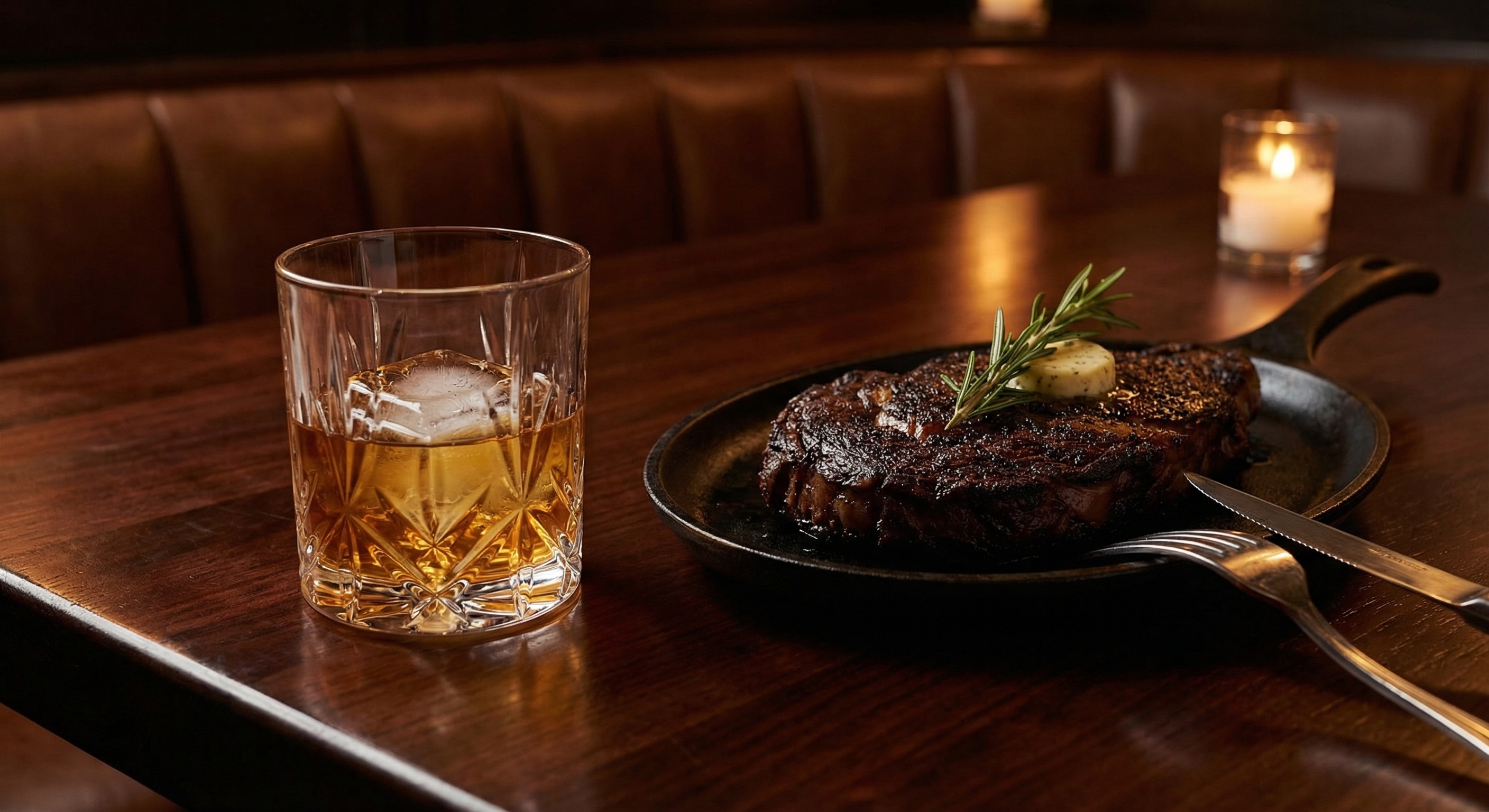
Bourbon dominates the steak-and-whiskey conversation, but rye whiskey might actually be the better pairing spirit. Where bourbon leans sweet — caramel, vanilla, corn syrup richness — rye leans dry, peppery, and herbal. That spicy backbone cuts through steak fat the way a good Barolo does, cleansing your palate between bites and making every forkful taste like the first.
Rye whiskey is having a moment. Distilleries from Kentucky to New York are producing ryes that range from barely-legal 51% rye mashbills to 100% rye monsters, each offering a different flavor profile for pairing. The diversity means you can fine-tune your pour to the exact cut on your plate — something bourbon's narrower flavor window can't always do.
This guide breaks down the best rye whiskey styles for every major steak cut, with specific bottle recommendations, flavor science, and the techniques that make the pairing sing.
Why Rye Whiskey Works With Steak Better Than You Think
Most people default to bourbon with steak because the sweetness feels complementary. But complementary pairings have a ceiling — eventually everything tastes like the same wall of caramel and char. Rye whiskey takes a contrasting approach, and contrast is where great pairings live.
Peppery spice cuts fat. Rye grain produces flavor compounds dominated by black pepper, baking spice, and dried herbs. These sharp, dry notes slice through the fatty richness of a well-marbled steak the same way freshly cracked pepper does — but from the glass instead of the grinder. After a bite of buttery ribeye, a sip of rye resets your palate completely.
Drier finish prevents palate fatigue. Bourbon's corn-driven sweetness can compound with steak's richness, creating a heavy, cloying sensation after several bites. Rye's drier finish avoids this problem entirely. You can pair rye through a 16-ounce porterhouse without your palate begging for mercy by the halfway point.
Herbal complexity bridges seasoning. Most steaks get seasoned with at least salt and pepper, and many get rosemary, thyme, garlic, or compound butter. Rye whiskey's herbal notes — dill, caraway, mint, anise — create a natural bridge to these seasonings. The steak seasoning and the whiskey flavor merge into something greater than either alone.
Tannic structure from oak. Rye whiskey aged in new charred oak develops more pronounced tannins than bourbon from the same barrels. These tannins interact with proteins in the beef, softening perceived astringency in the whiskey while amplifying the steak's savory umami character — the same mechanism that makes red wine and steak work.
Ribeye: Bold, Spicy Ryes That Can Stand Up to the Fat
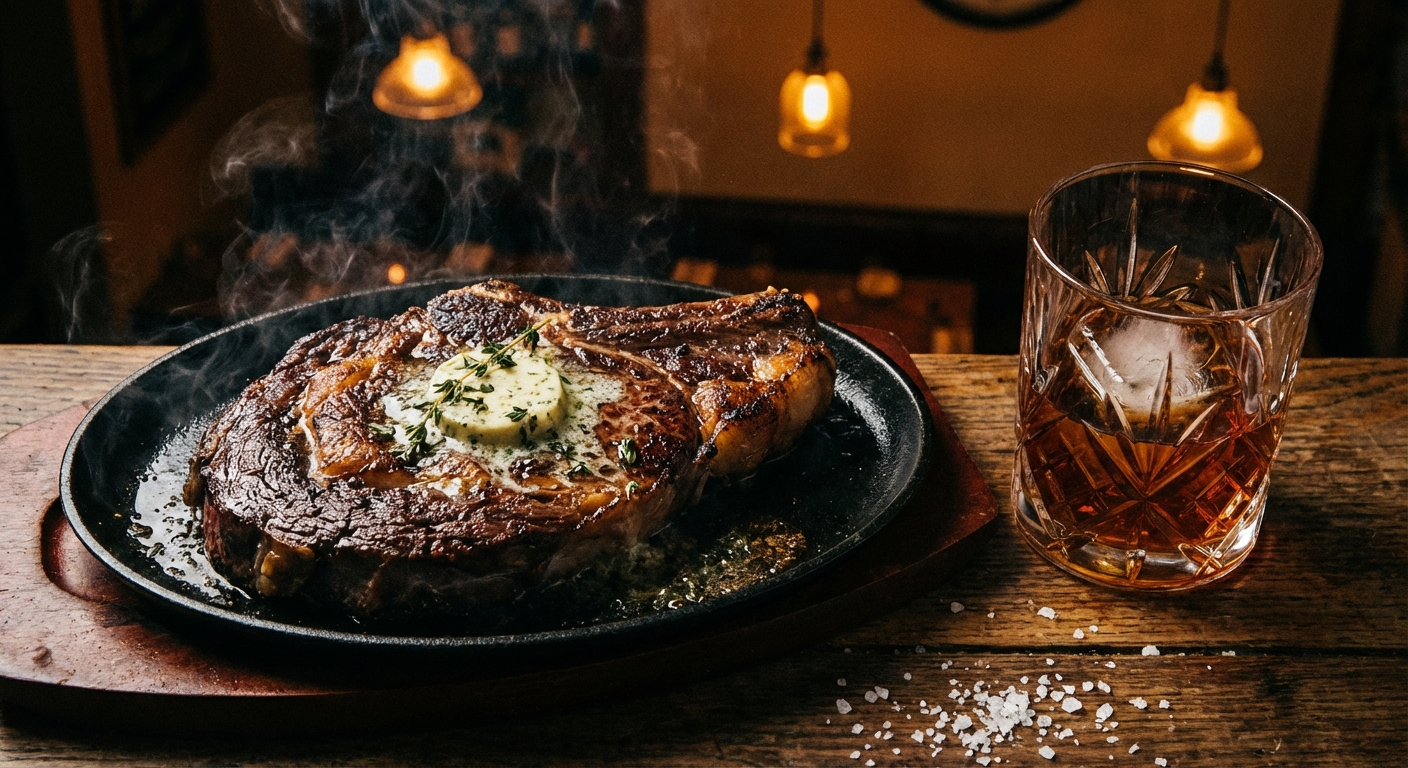
Ribeye is the fattiest mainstream steak cut, with intramuscular marbling that makes it incredibly rich and buttery. This richness demands a rye whiskey with serious backbone — high proof, assertive spice, and enough structure to stand up to all that fat without getting lost.
Rittenhouse Rye Bottled-in-Bond (100 proof). The workhorse pick. At 100 proof, it has enough ethanol to dissolve fat-soluble flavor compounds while its aggressive black pepper and cinnamon spice cut through ribeye's richness. The price point means you won't hesitate to pour generously. This is the bottle most bartenders reach for when someone orders a rye with their steak.
WhistlePig 6 Year PiggyBack (100 proof). Canadian-sourced but Vermont-blended, this 100% rye mashbill delivers pure grain spice without bourbon-like sweetness. The caramel and vanilla are minimal, letting pepper and dried fruit dominate. With ribeye, it acts like a spice rub in liquid form.
Wild Turkey Rare Breed Rye (112.2 proof). When you want a barrel-proof rye that fights above its weight class. The high proof means aggressive fat extraction, and the marriage of young and aged stocks brings both fresh grain spice and deep oak tannins. Sip this alongside a bone-in ribeye cooked over charcoal and you'll understand why rye partisans exist.
Filet Mignon: Smooth, Aged Ryes That Won't Overpower
Filet mignon is the leanest premium cut, prized for tenderness rather than fat content. Its delicate, almost buttery texture requires a rye that won't bulldoze the subtlety. You need aged, mellow ryes where the grain spice has rounded into warm baking notes rather than sharp pepper.
Whistle Pig 12 Year Old World (86 proof). Finished in a combination of Madeira, Sauternes, and port casks, this rye has traded its youthful aggression for dried fruit, fig, and gentle cinnamon. The lower proof means it won't strip flavor from lean filet the way barrel-proof expressions can. It's an elegant pour for an elegant cut.
Stellum Rye (116.48 proof, but oddly gentle). Despite its cask strength, Stellum's blend of Indiana rye stocks produces a surprisingly smooth, honeyed spirit with layers of baking spice that build slowly. Add a few drops of water to bring it down to around 100 proof and it becomes a perfect filet companion — complex enough to hold attention but refined enough to let the beef speak.
Michter's US*1 Single Barrel Rye (84.8 proof). The classic “entry rye” that punches above its proof. Michter's emphasizes barrel selection over mashbill extremes, producing a rye that's round, slightly sweet, and gently spiced. With filet mignon, it plays a supporting role — enhancing without competing. If you're new to rye-and-steak pairing, start here.
New York Strip: Balanced Ryes for the All-Around Cut
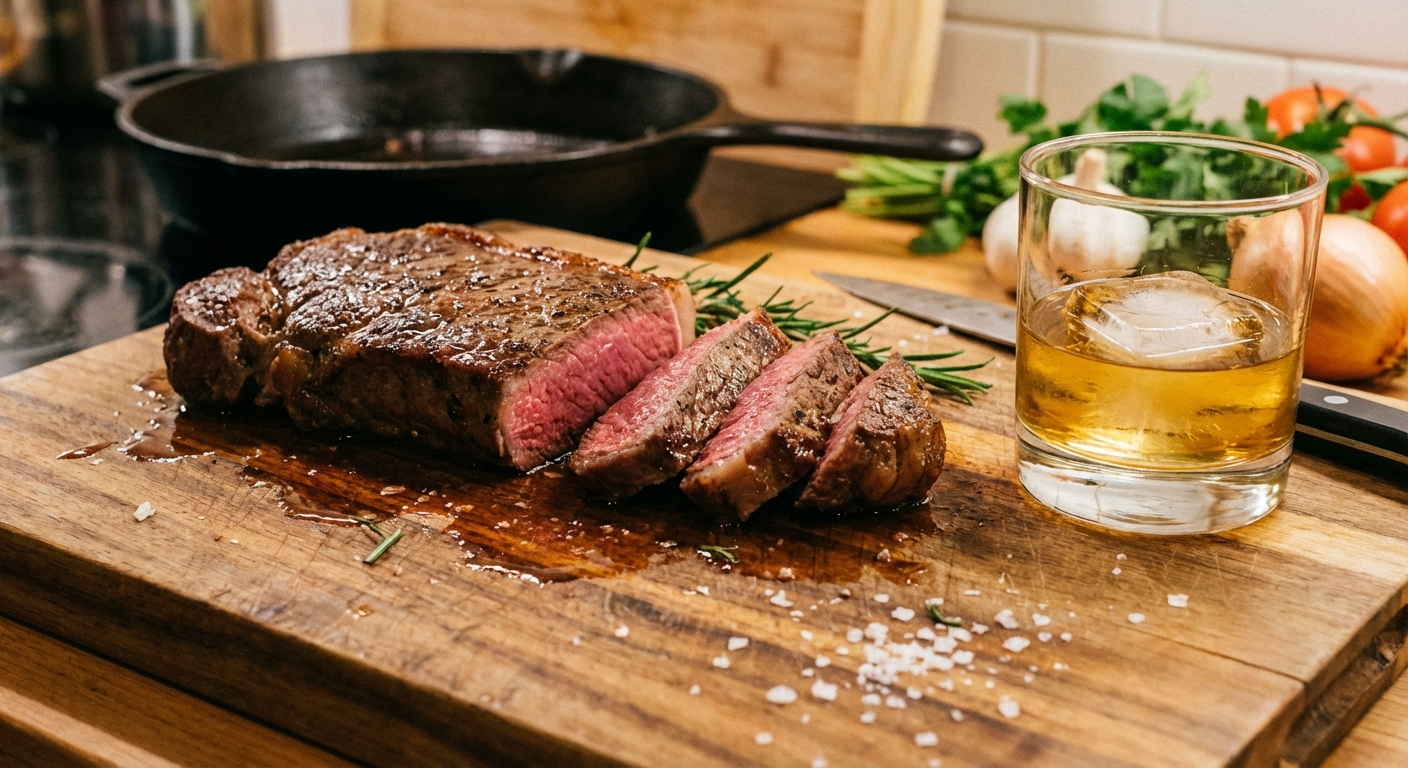
New York strip sits between ribeye and filet on the fat spectrum — moderate marbling, a fat cap on one side, and a clean beef flavor that's neither as buttery as ribeye nor as subtle as filet. This middle ground calls for balanced, versatile rye whiskeys that can handle some fat without overpowering the lean center.
Sazerac Rye (90 proof). Louisiana's most famous rye is also one of its most balanced. Gentle pepper, citrus zest, and a hint of anise create a flavor profile that mirrors classic steak seasoning. At 90 proof, it has enough presence for strip's fat cap without overwhelming the lean meat. Incredibly affordable for the quality.
Bulleit Rye (90 proof). The 95% rye mashbill means this is almost a pure rye experience, but MGP's production gives it a smooth, approachable character. The dominant cherry and vanilla notes bridge the gap between the strip's fat and lean sections. Widely available and consistently good — the strip steak of rye whiskeys.
Pikesville Straight Rye (110 proof). Heaven Hill's premium rye offering is a step up in both proof and complexity. Rich caramel, dark fruit, and cinnamon spice with a long, warming finish. It's got enough power for strip's fattier bites and enough refinement for the clean center. This is the bottle for when your strip steak is properly dry-aged.
T-Bone and Porterhouse: Versatile Ryes for Two Textures
T-bone and porterhouse steaks present a unique pairing challenge: you're eating two different muscles — strip on one side, tenderloin on the other — from the same plate. Your rye needs to work with both the fattier strip section and the leaner filet section without favoring either.
Knob Creek Rye (100 proof). Knob Creek's rye hits a sweet spot for T-bone pairing. The 100 proof handles the strip side's fat, while the extended aging (at least 7 years reportedly, though no age statement) has mellowed the spice enough for the filet side. Toasted oak, brown sugar, and black pepper in equal measure — balanced enough for a two-texture cut.
Old Forester Rye (100 proof). Brown-Forman's rye uses the same yeast strain as their bourbon, producing a rye with unusual banana and tropical fruit notes alongside the expected spice. These fruit notes bridge both textures — the sweetness plays against strip fat while the fruit acidity lifts the filet. An underrated T-bone companion.
Sagamore Spirit Double Oak Rye (97 proof). Finished in a second new charred oak barrel, this Maryland rye doubles down on vanilla and caramel while keeping rye's signature spice. The double oak treatment adds a tannic grip that works equally well with fatty and lean bites. The extra barrel influence also bridges nicely if your T-bone has any char from high-heat searing.
Skirt and Flank: High-Rye Mashbills for Lean, Beefy Cuts
Skirt and flank steaks are lean, intensely beefy, and usually heavily seasoned or marinated. They're working-class cuts that taste best with confident, assertive ryes — nothing too precious or subtle. The strong beef flavor can handle high-rye mashbills that would overwhelm delicate filet mignon.
Old Overholt Bonded (100 proof). America's oldest continuously maintained rye whiskey brand makes a bonded expression that's dry, spicy, and uncompromising. It's not trying to be smooth — it's trying to taste like rye grain, and it succeeds. With chimichurri-dressed skirt steak, the herbal rye and herbal sauce create a seamless flavor loop.
Redemption Rye (92 proof). A high-rye Indiana product that's lean and peppery, matching the leanness of skirt and flank. Mint, dill, and white pepper are the dominant notes — all flavors that complement rather than fight against typical Latin or Asian-inspired marinades used on these cuts.
Wilderness Trail Rye (100 proof). A Kentucky craft distillery producing a sweet mash rye (no sour mash backset) that emphasizes clean grain character. The result is a rye where you taste the actual grain — bready, herbal, subtly sweet — without heavy oak influence. With simply grilled flank, it's pure and direct, letting the beef and the grain have a honest conversation.
Wagyu: Complex Ryes for the Ultimate Beef
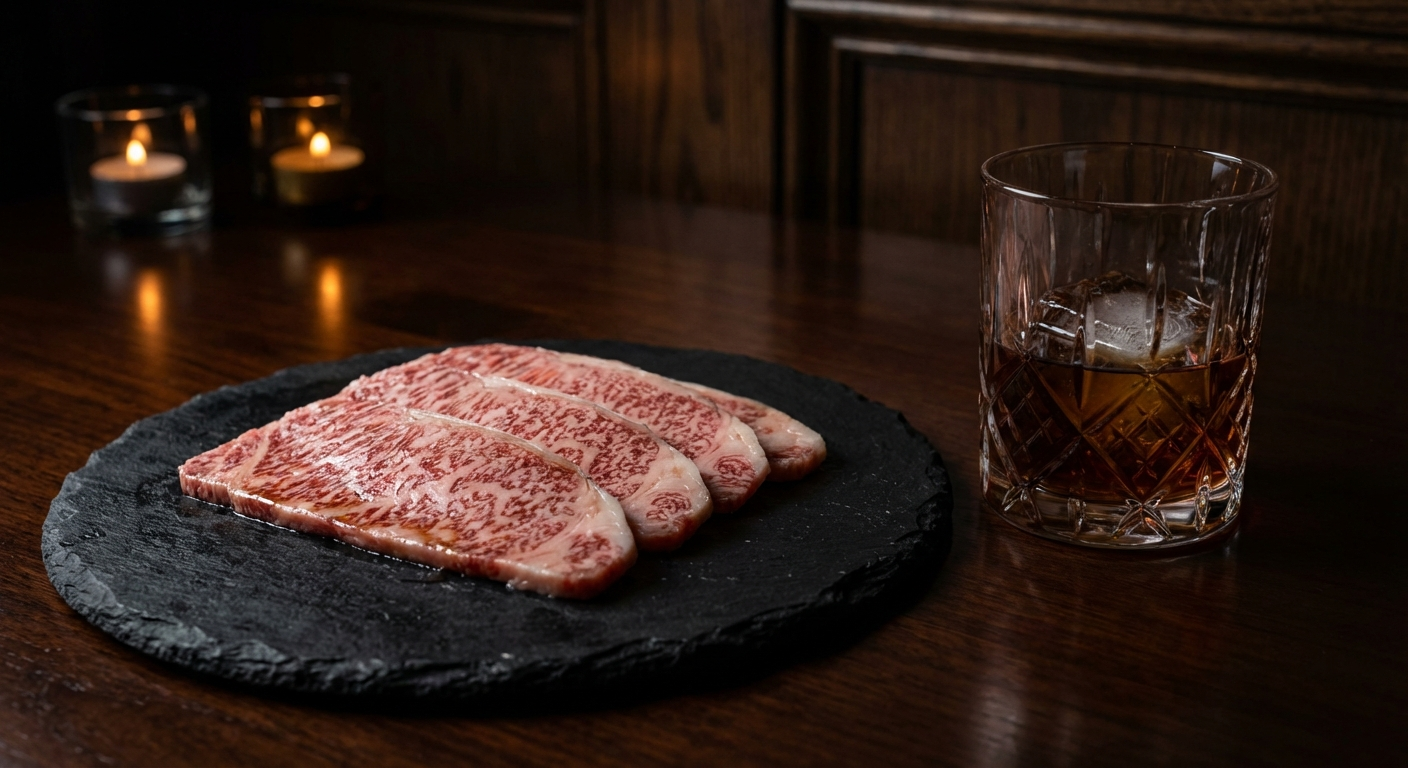
Wagyu — especially Japanese A5 — is so intensely marbled that it melts on contact and coats your entire mouth in beef fat. This extreme richness demands a rye with complexity, proof, and palate-cleansing power. Simple or low-proof ryes will be steamrolled.
WhistlePig 15 Year Estate Oak (92 proof). Aged entirely in Vermont White Oak, this rye develops flavors you won't find in standard American whiskey — maple, dark toffee, dried apricot, and a long herbal finish. The unusual oak brings enough novelty to match wagyu's extraordinary character. You're drinking something as rare and intentional as the beef itself.
Thomas H. Handy Sazerac (varies, typically 126-130 proof). Part of Buffalo Trace's coveted Antique Collection, Handy is an uncut, unfiltered rye that delivers massive cinnamon, clove, and dark cherry with a finish that lasts five minutes. At cask strength, it will cut through A5 wagyu fat like nothing else. If you can find a bottle, save it for wagyu night.
Willett Family Estate 4-Year Rye (110 proof). Willett's single barrel rye program produces bottles that vary from barrel to barrel, but the common thread is intense rye spice layered with honey, allspice, and fresh herbs. The relatively young age keeps the grain character assertive — important when you need spice to fight through wagyu's wall of fat. The 110 proof ensures nothing gets lost.
How to Set Up a Rye Whiskey Steak Tasting
Hosting a rye-and-steak dinner is simpler than a wine pairing dinner and infinitely more crowd-pleasing. Here's the format that works best.
Pick three ryes at different proof points. One around 80-90 proof (the gentle option), one at 100 proof (the sweet spot), and one at 110+ proof (the bold option). This gives guests the ability to experiment without needing six bottles. Sazerac Rye, Rittenhouse, and Wild Turkey Rare Breed Rye cover this spread perfectly for under $100 total.
Serve two ounces per rye, neat. Rye-and-steak pairing works best at room temperature with no ice. A few drops of water are fine for higher-proof pours. Glencairn glasses concentrate the aromatics, but a standard rocks glass works — the steak is the star, not the glassware.
Cook one cut two ways. Instead of buying three different cuts, cook one cut (strip or ribeye) at two temperatures — medium-rare and medium. The extra rendering at medium changes the fat profile enough to create noticeably different pairings with the same rye. Guests are always surprised by how much doneness affects the whiskey pairing.
Season simply. Salt, pepper, and a cast iron sear. You want to taste the beef and the rye, not compete with complex rubs or sauces. If you must sauce, a simple pan reduction with butter keeps things clean. Save the chimichurri for the leftover flank steak course.
Pace the meal. A proper rye-and-steak dinner takes 90 minutes minimum. Small bites, small sips, plenty of conversation between courses. If the whiskey is gone before the steak is half-eaten, everyone is drinking too fast.
Rye vs Bourbon vs Scotch: Which Is Best With Steak?
All three brown spirits pair well with steak, but they solve different problems:
Choose rye when you want palate-cleansing spice, a drier finish, and the ability to eat a large steak without palate fatigue. Rye is the best choice for fatty cuts, extended meals, and anyone who finds bourbon-with-steak too sweet.
Choose bourbon when you want complementary sweetness and the classic American steakhouse experience. Bourbon's caramel and vanilla lean into steak's richness rather than cutting against it. Best for smaller portions and leaner cuts where the sweetness won't overwhelm.
Choose scotch when you want regional diversity and smoke. Peated Islay malts are unbeatable with charcoal-grilled steaks, and sherried Speyside malts offer a wine-adjacent sophistication. Best for adventurous eaters and anyone who wants to explore.
If you had to pick one for a porterhouse? Rye wins. The dry spice handles both the strip and filet sides, the proof cuts the fat, and the herbal notes complement simple seasoning. Bourbon is the popular pick. Scotch is the adventurous pick. Rye is the correct pick.
Quick Reference: Rye Whiskey and Steak Pairing Chart
Ribeye: Rittenhouse BiB, WhistlePig PiggyBack, Wild Turkey Rare Breed Rye
Filet Mignon: WhistlePig 12 Old World, Michter's US*1, Stellum Rye
New York Strip: Sazerac Rye, Bulleit Rye, Pikesville Rye
T-Bone / Porterhouse: Knob Creek Rye, Old Forester Rye, Sagamore Double Oak
Skirt / Flank: Old Overholt Bonded, Redemption Rye, Wilderness Trail Rye
Wagyu: WhistlePig 15, Thomas H. Handy, Willett 4-Year
Charcoal Grilled (any cut): Wild Turkey Rare Breed Rye, Pikesville, Knob Creek Rye
Cast Iron Seared (any cut): Sazerac Rye, Michter's US*1, Sagamore Double Oak
With Chimichurri: Old Overholt Bonded, Redemption Rye, Bulleit Rye
Dry-Aged Cuts: Pikesville Rye, WhistlePig 12, Willett 4-Year
Common Mistakes to Avoid
Choosing a rye that's too young. Young ryes (under 3 years) can be harshly grainy and solvent-like, which fights the steak rather than pairing with it. Stick to ryes aged at least 4 years unless you specifically know the distillery produces good young spirit.
Adding ice to barrel-proof pours. Ice numbs your palate and collapses the aromatic complexity that makes high-proof rye such a good steak partner. If a barrel-proof rye is too hot, add water in small increments rather than ice. You want to open the whiskey up, not shut it down.
Ignoring proof-to-fat ratio. The fattier the cut, the higher the proof should be. It's simple physics — ethanol dissolves fat and extracts flavor. A 80-proof rye alongside a heavily marbled ribeye will taste thin and lost. Match intensity to intensity: lean cuts get gentle ryes, fat cuts get bold ryes.
Pairing rye with sweet sauces. Rye's dry, spicy character clashes with sweet BBQ glazes, teriyaki, or honey-based sauces. If your steak has a sweet element, switch to bourbon. Rye shines with salt, pepper, herbs, garlic, and acid-based sauces like chimichurri or salsa verde.
Drinking before nosing. Rye whiskey's herbal and spice aromatics are half the pairing experience. Before your first sip alongside steak, nose the whiskey for 20-30 seconds. Then nose the steak. Your brain starts building the flavor bridge before anything hits your tongue. Skip this step and you're leaving half the experience on the table.
Final Thoughts
Rye whiskey is the underdog steak pairing that outperforms its reputation. While bourbon gets the magazine covers and wine gets the fine dining devotion, rye quietly does what neither can — cut through fat, complement seasoning, and keep your palate fresh from the first bite to the last. Its peppery backbone and dry finish were practically designed for a seared piece of beef.
Start simple: grab a bottle of Rittenhouse Rye or Sazerac Rye, cook a strip steak with salt and pepper in a cast iron pan, and pour two ounces neat. That first sip alongside the first bite will make you wonder why you ever defaulted to bourbon. Once you've experienced rye's ability to refresh rather than compound richness, there's no going back.
Frequently Asked Questions
What is the best rye whiskey to drink with steak?
Rittenhouse Rye Bottled-in-Bond and Sazerac Rye are excellent all-around steak ryes. For fatty cuts like ribeye, try barrel-proof options like Wild Turkey Rare Breed Rye. For leaner cuts like filet mignon, aged expressions like WhistlePig 12 Year Old World or Michter's US*1 Rye work beautifully.
Is rye whiskey better than bourbon with steak?
Rye whiskey's dry, peppery character cuts through steak fat more effectively than bourbon's sweeter profile. For fatty cuts and extended meals, rye prevents palate fatigue. Bourbon works better with leaner cuts or when you want complementary sweetness rather than contrast.
Should rye whiskey be served neat or on the rocks with steak?
Neat or with a few drops of water is ideal for steak pairing. Ice numbs your palate and suppresses the rye's herbal and spice aromatics that create the pairing bridge with seared beef. For barrel-proof ryes, add water in small increments to open up the flavors.
What proof rye whiskey is best for steak?
Match proof to the fat content of your cut. Lean cuts like filet mignon pair well with 80-90 proof ryes. Medium-marbled cuts like New York strip work with 90-100 proof. Fatty cuts like ribeye and wagyu need 100-130 proof rye to cut through the richness effectively.
What rye whiskey goes with wagyu beef?
Wagyu's extreme marbling needs complex, high-proof ryes. WhistlePig 15 Year Estate Oak, Thomas H. Handy Sazerac (cask strength), and Willett Family Estate 4-Year Rye at 110 proof all have enough intensity to stand up to A5 wagyu without getting lost in the fat.
More Pairing Guides
Best Bourbon for Pork Ribs vs Beef Ribs: Complete Pairing Guide
Pork ribs and beef ribs aren't interchangeable when it comes to bourbon pairing. Fat content, smoke intensity, and flavor depth determine which bottle works best. Here's the complete breakdown.
12 min readBest Bourbon for BBQ Ribs: 7 Perfect Pairings (Tasted & Ranked)
Not every bourbon works with every style of ribs. Here are 7 bourbon pairings ranked by rib type, sauce style, and smoke profile — with specific bottles tested against real BBQ.
10 min readBest Wine with Tri-Tip: Expert Pairing Guide
Tri-tip demands wines with enough structure to match its intensity while complementing its smoky, savory profile.