Best Tequila for Steak: The Complete Pairing Guide
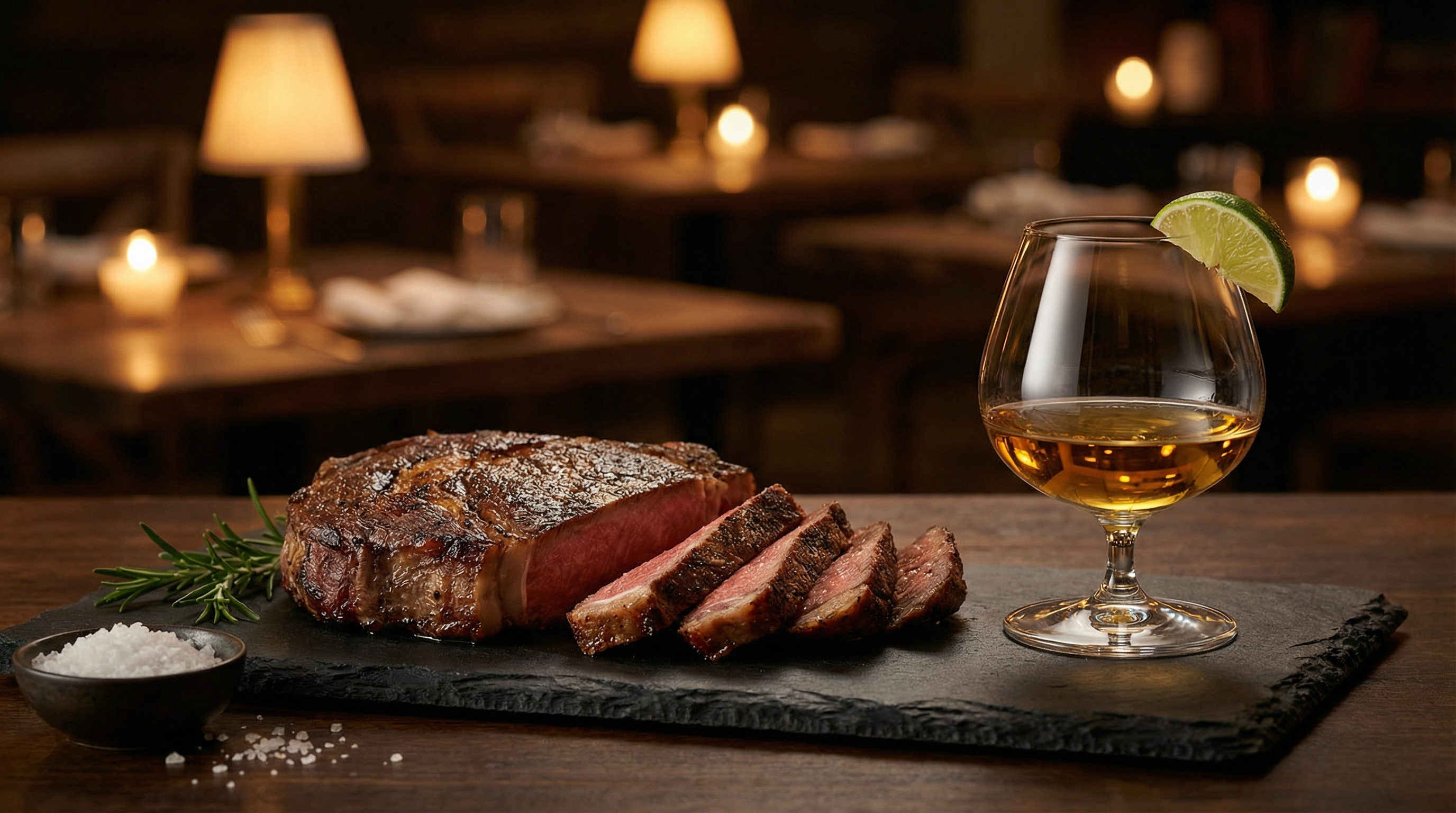
Walk into any high-end steakhouse and the drink menu reads like a wine encyclopedia. But some of the best steak pairings I've ever experienced came from a spirit most people relegate to margaritas and shots: tequila.
Quality tequila — the kind made from 100% blue Weber agave and properly aged — shares remarkable flavor chemistry with grilled beef. The agave's natural earthiness mirrors beef's savoriness. Oak aging adds vanilla and caramel that complement a seared crust. And tequila's inherent spice notes cut through fat the way tannins do in wine.
This guide breaks down exactly which tequila styles work with which cuts, why the pairing science holds up, and how to build a steak dinner around Mexico's greatest spirit.
Why Tequila Works With Steak
Agave Meets Umami
Blue Weber agave — the plant tequila is made from — develops complex sugars during its 7–10 year maturation. When those sugars ferment and distill, they create earthy, slightly sweet, herbaceous compounds. These flavors naturally complement the umami richness of beef, creating a pairing that feels intuitive even if you've never tried it.
Oak Aging Creates Shared Flavors
Reposado and añejo tequilas age in oak barrels — often ex-bourbon barrels. This imparts vanilla, caramel, toffee, and warm spice notes. These are the same flavor families you find in a properly seared steak's crust through the Maillard reaction. When you sip aged tequila alongside charred beef, you're layering complementary flavors.
Alcohol as a Palate Cleanser
At 40% ABV, tequila's alcohol content cuts through beef fat more aggressively than wine or beer. A small sip between bites dissolves the fatty coating on your palate instantly, resetting your taste buds. This is why the pairing works particularly well with heavily marbled cuts.
Natural Spice and Pepper
Good tequila has a white pepper quality — a gentle heat on the finish that stimulates the palate without overwhelming it. This mirrors the black pepper on a steak, creating a unified spice experience across food and drink.
Tequila Categories Explained
Before matching tequila to steak, you need to understand the four main categories. Each has distinct characteristics that suit different cuts:
Blanco (Silver): Unaged or aged less than 60 days. Bright, crisp, with pure agave flavor. Citrus and pepper notes dominate. Highest proof character of the four styles.
Reposado: Aged 2–12 months in oak. Balanced between agave brightness and oak warmth. Vanilla and light caramel appear without losing the agave's herbaceous character.
Añejo: Aged 1–3 years in oak. Rich, smooth, complex. Caramel, dried fruit, chocolate, and warm spice. The most wine-like tequila category.
Extra Añejo: Aged 3+ years. Deep, concentrated, almost cognac-like. Dark chocolate, leather, tobacco, dried fruit. Best sipped slowly alongside equally intense flavors.
Best Tequila for Every Steak Cut
Ribeye → Añejo
The ribeye's heavy marbling and rich, buttery flavor need a tequila with enough body and complexity to match. Añejo delivers.
Why it works: Añejo's caramel and vanilla notes complement the charred crust's Maillard flavors. The oak tannins — yes, tequila has tannins from barrel aging — help cut through the ribeye's abundant fat. The smooth, round mouthfeel matches the steak's richness without competing.
Top picks: Don Julio 1942, Clase Azul Añejo, Fortaleza Añejo, El Tesoro Añejo. Look for añejos aged in American oak bourbon barrels for maximum caramel and vanilla.
How to serve: Neat in a snifter at room temperature. Let it breathe for 5 minutes after pouring. Sip slowly between bites — this is a pairing, not a shot.
Filet Mignon → Reposado
The tender, mild filet needs a tequila that enhances without overwhelming. Reposado's balanced profile threads that needle perfectly.
Why it works: Reposado maintains enough agave brightness to add flavor interest to the mild filet, while its light oak character provides warmth and complexity. It's not so bold that it dominates the delicate meat.
Top picks: Herradura Reposado, Casamigos Reposado, Siete Leguas Reposado, Tapatio Reposado. Choose reposados that lean elegant rather than heavy.
How to serve: Neat or with a single large ice cube. The slight dilution from ice actually opens up reposado's aromatics and softens any edge that might compete with the filet.
New York Strip → Reposado or Añejo
The strip's bold beef flavor and moderate fat content make it versatile with tequila. Both reposado and añejo work — choose based on how the steak is prepared.
Why it works: A simply seasoned strip with salt and pepper pairs beautifully with reposado — the tequila adds the complexity. A heavily seasoned or grilled strip with char holds up to añejo's bigger personality.
Top picks: For reposado: Casa Noble, G4, Ocho. For añejo: Tears of Llorona, Gran Centenario Añejo, Maestro Dobel Diamante.
Skirt Steak / Carne Asada → Blanco
This is the most natural pairing in the entire guide. Skirt steak with lime, cilantro, and a crisp blanco tequila is Mexican cuisine at its finest — these flavors evolved together.
Why it works: Blanco's bright citrus and pepper notes mirror the lime and chili in traditional carne asada preparation. The clean, unaged character refreshes against the intensely beefy, often charred skirt steak. There's no oak to compete with marinades or chimichurri.
Top picks: Fortaleza Blanco (still strength is spectacular here), Pasote Blanco, Cascahuin Tahona, Terralta Blanco. Choose blancos with strong agave character — avoid anything too neutral.
How to serve: Neat, slightly chilled. Or in a simple paloma with grapefruit soda — the cocktail's acidity matches carne asada beautifully.
T-Bone / Porterhouse → Añejo
The T-bone's dual nature — strip on one side, tenderloin on the other — needs a tequila versatile enough for both. Añejo bridges the gap.
Why it works: Añejo has enough weight for the strip side's bold flavor and enough refinement for the tenderloin side's subtlety. The vanilla and caramel notes work universally across both textures and fat levels.
Wagyu → Extra Añejo
Wagyu's extreme richness and complex flavor profile demand something equally intense and contemplative. Extra añejo is the answer — it's the cognac of the tequila world.
Why it works: Extra añejo's concentrated flavors — dark chocolate, leather, dried fruit — can stand up to wagyu's overwhelming richness. The extended barrel aging creates tannins substantial enough to cut through extreme marbling. Both wagyu and extra añejo are meant to be savored slowly, bite by bite, sip by sip.
Top picks: Don Julio Real, Clase Azul Ultra, El Tesoro Paradiso, Tears of Llorona Extra Añejo. These are special-occasion pairings for special-occasion beef.
How to serve: Neat, in a brandy snifter, at room temperature. No ice — you want full flavor intensity to match the wagyu.
Cooking Method and Tequila Matching
Grilled Over Charcoal
Charcoal grilling adds smokiness that pairs beautifully with reposado or añejo. The oak aging in the tequila echoes the wood smoke on the meat.
Pan-Seared With Butter
Butter-basted steaks develop rich, caramelized flavors. Añejo's vanilla and butterscotch notes complement the butter beautifully.
Reverse Seared
The precision of reverse searing produces clean, pure beef flavor. Reposado adds complexity without masking the careful cook.
With Chimichurri or Salsa
Herb-heavy accompaniments point toward blanco. The tequila's bright, herbaceous agave character mirrors fresh herbs and citrus.
Building a Tequila Steak Dinner
Aperitif
Start with a blanco-based paloma or ranch water alongside light appetizers — ceviche, guacamole, or grilled shrimp. The cocktail opens the palate without filling you up.
The Steak Course
Switch to neat tequila matched to your cut (see guide above). Pour 1.5–2 oz and sip throughout the course. Take alternating bites and sips to experience how the flavors interact.
After Dinner
Finish with extra añejo as a digestif, similar to how you'd end a French meal with Armagnac. The rich, warming spirit settles the meal and provides a contemplative close.
Common Mistakes
Shooting Instead of Sipping
If you're throwing back shots with your steak, you're not pairing — you're partying. Slow down. A 2-oz pour should last the entire steak course.
Going Too Cheap
Mixto tequila (not 100% agave) tastes harsh and one-dimensional. It will fight the steak instead of complementing it. Look for "100% de Agave" on the label — always.
Ignoring Temperature
Blanco can be lightly chilled. Reposado works at cellar temperature or with ice. Añejo and extra añejo should be room temperature — cold suppresses the oak complexity you're paying for.
Over-Pairing
Tequila is more potent than wine. One or two ounces per course is plenty. The goal is flavor harmony, not a hangover.
Quick Reference Chart
- Ribeye → Añejo (caramel, vanilla, oak tannins)
- Filet Mignon → Reposado (balanced, elegant, gentle)
- New York Strip → Reposado or Añejo (match to preparation)
- Skirt / Flank / Carne Asada → Blanco (citrus, pepper, refreshing)
- T-Bone / Porterhouse → Añejo (versatile for both sides)
- Wagyu → Extra Añejo (intense, contemplative, tannin-rich)
- Smoked Beef → Reposado (oak echoes smoke)
The Bottom Line
Tequila and steak is not a gimmick — it's a legitimate pairing tradition rooted in flavor chemistry. The agave plant's earthy sweetness, the oak barrel's vanilla and spice, and the spirit's natural pepper all create genuine complementary and contrasting interactions with beef.
Start with the easiest entry point: a good reposado neat alongside a well-seasoned strip steak. If that clicks — and it will — work your way through the pairing chart. You'll never look at your steakhouse drink menu the same way.
For the best results, start with exceptional beef. The Meatery's American wagyu collection paired with a quality añejo is one of the most memorable steak dinners you can create at home.
Frequently Asked Questions
Can I use mezcal instead of tequila with steak?
Absolutely. Mezcal's smoky character pairs even better with grilled and smoked steaks. A joven mezcal works like a smoky blanco, while aged mezcal (reposado or añejo) adds complexity similar to aged tequila but with an extra smoke dimension.
What about tequila cocktails with steak?
A paloma or ranch water works well as an aperitif or with lighter cuts like skirt steak. For richer cuts, stick to neat tequila — cocktail ingredients can distract from the beef pairing. An old fashioned made with añejo tequila is an excellent exception.
How much tequila should I pour per steak course?
Pour 1.5 to 2 ounces per course and sip throughout. Tequila is 40% ABV — significantly stronger than wine. The goal is flavor enhancement, not intoxication. One pour should last your entire steak.
Does the brand of tequila matter for pairing?
Quality matters more than brand. Look for '100% de Agave' on the label, choose the right aging category for your cut, and avoid mixto tequila. Within those parameters, personal taste guides the rest. Highlands tequilas tend to be fruitier; lowlands tequilas more earthy and mineral.
Is cristalino tequila good for steak pairing?
Cristalino (filtered añejo) offers barrel-aged complexity with a lighter, cleaner appearance. It pairs well with filet mignon and leaner cuts where you want oak notes without heavy body. Think of it as a bridge between reposado and añejo.
More Pairing Guides
Best Bourbon for Pork Ribs vs Beef Ribs: Complete Pairing Guide
Pork ribs and beef ribs aren't interchangeable when it comes to bourbon pairing. Fat content, smoke intensity, and flavor depth determine which bottle works best. Here's the complete breakdown.
12 min readBest Bourbon for BBQ Ribs: 7 Perfect Pairings (Tasted & Ranked)
Not every bourbon works with every style of ribs. Here are 7 bourbon pairings ranked by rib type, sauce style, and smoke profile — with specific bottles tested against real BBQ.
10 min readBest Wine with Tri-Tip: Expert Pairing Guide
Tri-tip demands wines with enough structure to match its intensity while complementing its smoky, savory profile.