Best Wine for Ribs: Smoked, Braised & Grilled Pairings
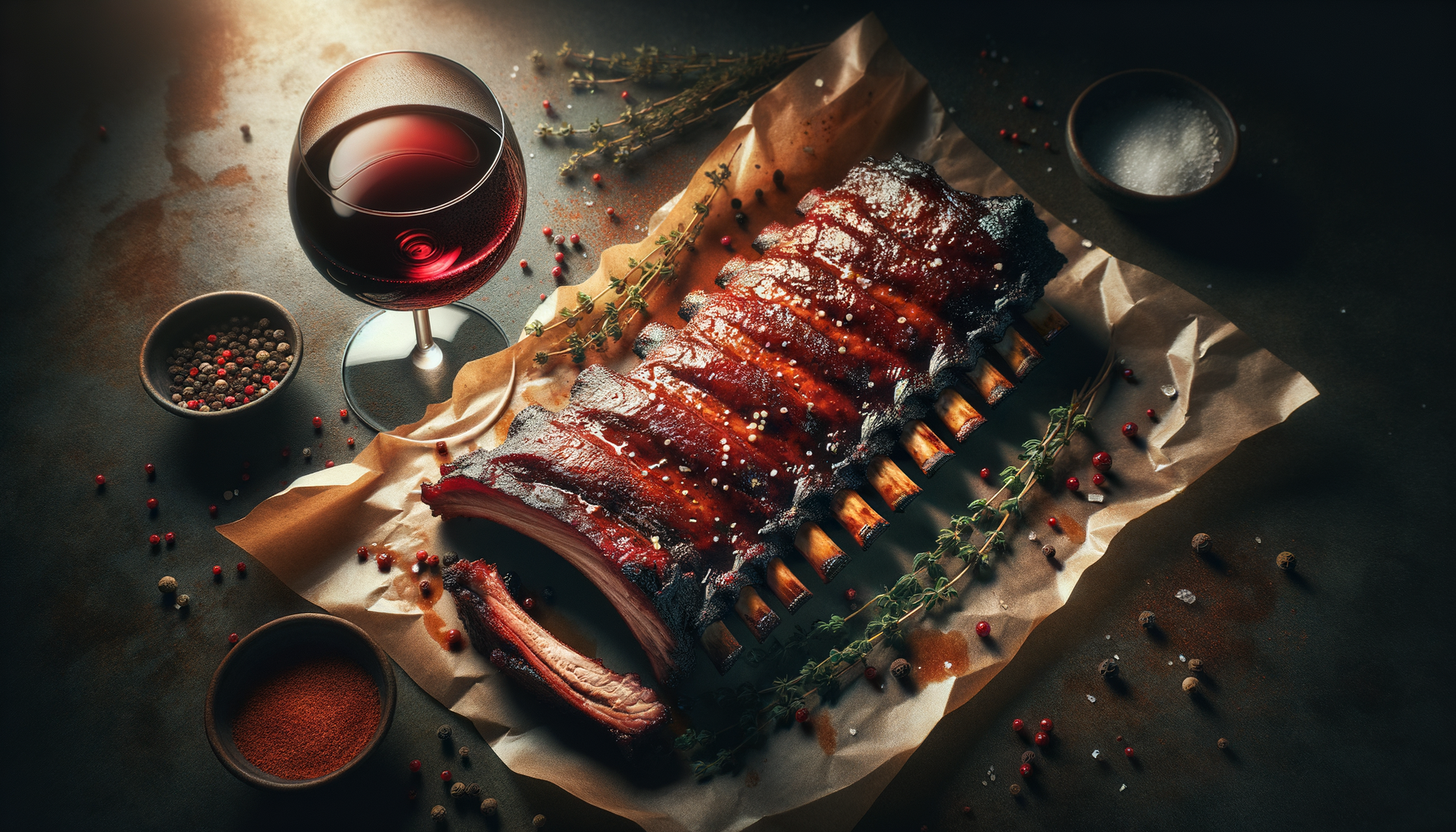
Ribs are one of the most diverse categories in meat cookery. A rack of smoked baby backs with tangy vinegar sauce is a completely different eating experience from braised beef short ribs in red wine. Yet both are "ribs." The wine you choose needs to match the specific rib style, not just the protein.
This guide breaks down the best wine pairings for every major rib preparation — smoked, braised, grilled, and sauced — with specific bottle recommendations and the reasoning behind each match.
Why Ribs Are Tricky to Pair
Three variables make rib pairings more complex than standard steak pairings:
The sauce factor. Most ribs are sauced, and sauce flavors (sweet, tangy, spicy) often dominate the pairing more than the meat itself. A Kansas City glazed rib and a dry-rubbed Texas rib need completely different wines.
The fat and collagen. Ribs are rich with connective tissue that melts during long cooking. This creates an unctuous, coating mouthfeel that demands wines with enough tannin and acidity to cut through.
The smoke. Smoked ribs carry wood-fire flavors that interact with wine differently than seared or braised preparations. Some wines complement smoke; others clash.
Smoked Baby Back Ribs: Zinfandel
Baby backs are the gateway rib — tender, slightly leaner than spare ribs, and usually finished with sauce. When smoked low and slow, they develop a pink smoke ring and bark that carries intense wood and spice flavors.
Best pairings:
- Dry Creek Valley Zinfandel — The quintessential American BBQ wine. Brambly berry fruit, peppery spice, and moderate tannins mirror the sweet-smoky-spicy profile of baby backs. Ridge, Seghesio, and Turley are reliable producers.
- Paso Robles Zinfandel — Riper and rounder than Sonoma bottlings, with plummy richness that works especially well with sweeter Kansas City-style sauces.
- Primitivo (Puglia, Italy) — Zinfandel's Italian cousin. Darker fruit, slightly earthier, with a rustic character that complements smoke beautifully.
Why Zinfandel works: Zinfandel's natural berry sweetness mirrors BBQ sauce sweetness without clashing. The grape's peppery spice echoes dry rub seasonings. And Zinfandel's moderate tannins handle the fat without overwhelming the relatively delicate baby back meat.
Avoid: Delicate Pinot Noir (bulldozed by smoke and sauce) or heavily oaked Cabernet (oak + smoke = tannic overload).
Smoked Spare Ribs: Petite Sirah & Mourvèdre
Spare ribs are fattier, meatier, and more intensely flavored than baby backs. They take on smoke more aggressively and stand up to bolder sauces. St. Louis-cut spares (trimmed) are the pitmaster's standard.
Best pairings:
- Petite Sirah (California) — Inky, tannic, with blueberry and dark chocolate notes. This powerhouse grape has the structure to stand up to the fattiest, smokiest spare ribs. Look for Concannon, Stags' Leap Winery, or Bogle.
- Mourvèdre (Bandol, France) — Earthy, meaty, with leather and game notes that echo smoked meat's primal character. Bandol producers like Domaine Tempier make definitive versions.
- Nero d'Avola (Sicily) — Dark fruit, dried herbs, and a savory core that meshes with smoke and spice rubs. Excellent value.
Why these work: Spare ribs need wines with serious weight. The higher fat content demands firm tannins. The more intense smoke flavor needs wines with their own savory depth to create harmony rather than competition.
Braised Beef Short Ribs: Barolo & Bordeaux
Braised short ribs are the refined side of the rib family. Slow-cooked in wine, stock, and aromatics until fork-tender, they're rich, deeply savory, and often served in an elegant setting with the braising liquid reduced to a glossy sauce.
Best pairings:
- Barolo (Nebbiolo, Piedmont) — The king of Italian reds. Tar, roses, cherry, and truffle notes match the braised meat's complexity. High tannins and acidity cut through the rich braising liquid. Producers like Giacomo Conterno, Vietti, or G.D. Vajra are excellent.
- Left Bank Bordeaux (Pauillac, Saint-Estèphe) — Cabernet-dominant blends with cedar, graphite, and cassis. The structured tannins handle the collagen-rich sauce. A Château Pontet-Canet or Lynch-Bages with some age is ideal.
- Brunello di Montalcino — Sangiovese at its most powerful. Cherry, leather, and dried herbs complement the Mediterranean aromatics often used in braising (rosemary, thyme, bay leaf).
- Ribera del Duero Reserva — Spanish Tempranillo with oak influence. Vanilla, tobacco, and dark fruit notes integrate beautifully with rich braised beef.
Why these work: Braised short ribs are a dish of concentration — every flavor is intensified through long cooking and reduction. You need wines with equal concentration, complexity, and structure. Light or simple wines taste thin alongside braised short ribs.
Pro tip: If you braise the short ribs in wine, use the same wine (or at least the same grape) for the table. The flavors create a seamless bridge between plate and glass.
Grilled Beef Short Ribs (Kalbi/Flanken): Malbec & Grenache
Korean-style kalbi (cross-cut short ribs marinated in soy, sesame, pear, and garlic) and flanken-cut ribs are grilled quickly over high heat. The result is charred, sweet-savory, and intensely flavorful — completely different from braised short ribs.
Best pairings:
- Argentine Malbec — Plush dark fruit and soft tannins complement the sweet soy marinade. The wine's natural affinity for grilled meats makes this a natural pairing. Catena, Achaval-Ferrer, or Susana Balbo.
- Grenache (Côtes du Rhône, Priorat) — Red fruit, warm spice, and moderate tannins work with the sweet-savory-sesame profile. The grape's natural warmth echoes the charred edges.
- Off-dry Riesling (Germany, Alsace) — A left-field choice that works brilliantly. The sweetness matches the marinade, the acidity cuts through fat, and the floral aromatics complement sesame and garlic.
Why these work: Kalbi's sweet-savory profile needs wines that embrace sweetness (fruit-forward reds) or mirror it (off-dry whites). Dry, tannic wines clash with the soy and sugar in the marinade.
Smoked Beef Ribs (Texas-Style): Cabernet Sauvignon & Syrah
Texas-style smoked beef ribs — also called "brisket on a stick" — are the most intensely beefy rib preparation. Seasoned with just salt and pepper, smoked for 6-8 hours over post oak, they develop a thick bark and deeply smoky beef flavor.
Best pairings:
- Napa Valley Cabernet Sauvignon — Bold, tannic, with dark fruit and cedar that stands up to the intense beef and smoke. The oak aging in the wine complements the oak smoke on the meat. Look for Caymus, Silver Oak, or Stag's Leap.
- Northern Rhône Syrah (Hermitage, Cornas) — Smoky, peppery, with dark fruit and olive notes. This is one of the few wines that can match Texas beef ribs' intensity without getting buried. Domaine Jean-Louis Chave or Auguste Clape for benchmark versions.
- Barossa Valley Shiraz — Australian Shiraz brings more fruit and spice than its French counterpart. The plummy richness and black pepper complement the peppery bark on smoked beef ribs.
Why these work: Texas beef ribs are pure, unsauced beef and smoke — the most primal rib preparation. They need wines with power, depth, and their own smoky or toasty character. Anything less gets overwhelmed.
Pairing by Sauce Style
Since sauce often dominates rib flavor, here's a quick guide by sauce type:
Kansas City (sweet, tomato-based): Zinfandel, Grenache, or fruit-forward Malbec. The wine's fruit sweetness harmonizes with the sauce rather than fighting it.
Carolina Vinegar (tangy, thin): Barbera d'Asti or Chianti. High-acid wines complement the vinegar base rather than clashing. The wine's acidity matches the sauce's acidity.
Mustard-based (South Carolina): Albariño or dry Riesling. The tangy, sharp mustard sauce works surprisingly well with aromatic whites that have good acidity.
Texas dry rub (no sauce): Cabernet Sauvignon or Syrah. Without sauce to consider, pair directly with the meat and smoke flavors.
Asian-glazed (hoisin, gochujang): Off-dry Gewürztraminer or fruit-forward Pinot Noir. Sweet-spicy sauces need wines with some sweetness and aromatic complexity.
Quick Reference: Rib Style → Wine
- Smoked baby backs → Zinfandel, Primitivo
- Smoked spare ribs → Petite Sirah, Mourvèdre
- Braised beef short ribs → Barolo, Bordeaux, Brunello
- Grilled kalbi → Malbec, Grenache, off-dry Riesling
- Texas smoked beef ribs → Cabernet Sauvignon, Syrah
- Dry-rubbed (any style) → Match to the meat, not the (absent) sauce
- Sweet-sauced (any style) → Fruit-forward reds (Zinfandel, Grenache)
Temperature and Serving Notes
Ribs are messy, casual food — even the braised ones. Keep wine service relaxed:
- Serve reds at 60–65°F (16–18°C). Slightly cool tannins cut through rib fat more effectively than warm ones.
- Choose screwcap or easy-pour bottles for outdoor BBQ settings. No one wants to fight a cork with sticky fingers.
- Pour generously. Ribs are a long, communal eating experience. Wine should flow freely alongside them.
- Consider magnums for gatherings. The larger format keeps wine cooler longer and makes a statement alongside a full rack.
The Bottom Line
The best wine for ribs depends almost entirely on two questions: what cut are you cooking, and how are you cooking it? Smoked pork ribs with sweet sauce want fruit-forward, spicy Zinfandel. Braised beef short ribs in red wine want structured Barolo or Bordeaux. Grilled Korean kalbi wants soft, plummy Malbec or even off-dry Riesling.
Match the wine's weight to the rib's intensity, consider the sauce as a primary flavor driver, and don't overthink it. Ribs are fun food — the wine should be too.
Frequently Asked Questions
What is the best wine for BBQ ribs?
Zinfandel is the classic choice for BBQ ribs. Its brambly berry fruit and peppery spice complement smoky, sauced ribs perfectly. For sweeter sauces, choose a riper Paso Robles Zinfandel; for dry-rubbed ribs, a spicier Sonoma bottling works better.
Can you pair white wine with ribs?
Yes, in specific cases. Off-dry Riesling pairs beautifully with Korean kalbi ribs, and Albariño works with mustard-sauced ribs. For most smoked or BBQ-sauced ribs, however, red wine is the stronger match due to tannins that cut through the fat.
What wine goes with braised short ribs?
Barolo, Bordeaux, and Brunello di Montalcino are the top choices for braised short ribs. Their high tannins and complex flavors match the concentrated, rich braising liquid. For best results, braise the ribs in the same wine you plan to serve at the table.
Should I match wine to the rib sauce or the meat?
Match to the sauce when it is the dominant flavor — which is most BBQ preparations. For unsauced ribs (Texas-style beef ribs, dry-rubbed preparations), match directly to the meat and smoke character. The stronger flavor always drives the pairing.
More Pairing Guides
Best Bourbon for Pork Ribs vs Beef Ribs: Complete Pairing Guide
Pork ribs and beef ribs aren't interchangeable when it comes to bourbon pairing. Fat content, smoke intensity, and flavor depth determine which bottle works best. Here's the complete breakdown.
12 min readBest Bourbon for BBQ Ribs: 7 Perfect Pairings (Tasted & Ranked)
Not every bourbon works with every style of ribs. Here are 7 bourbon pairings ranked by rib type, sauce style, and smoke profile — with specific bottles tested against real BBQ.
10 min readBest Wine with Tri-Tip: Expert Pairing Guide
Tri-tip demands wines with enough structure to match its intensity while complementing its smoky, savory profile.