Best Wine Pairing for Filet Mignon: A Sommelier's Complete Guide
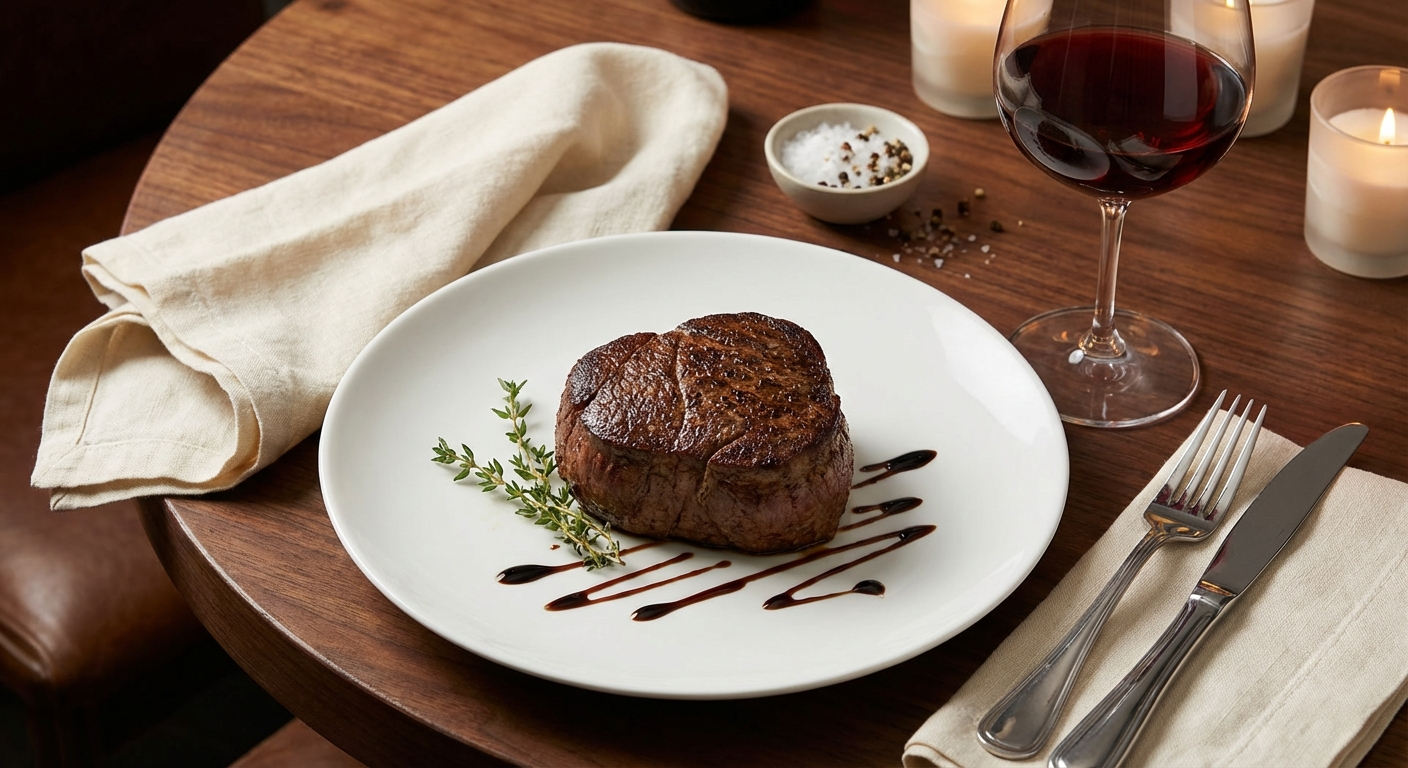
Best Wine Pairing for Filet Mignon: A Sommelier's Complete Guide
In my twenty-plus years pouring wine in fine dining rooms, I've watched countless guests order Cabernet Sauvignon with their filet mignon — and I've watched those same guests miss one of wine pairing's greatest pleasures. The filet is not a ribeye. It doesn't want a heavyweight in the glass. It wants a dance partner with grace, not a sparring partner with muscle.
Filet mignon — cut from the tenderloin, the least-worked muscle on the steer — is the most refined steak you can eat. Its butter-soft texture and delicate, almost sweet flavor profile set it apart from every other cut. And that difference demands a completely different approach to wine pairing.
Let me show you exactly which wines transform filet mignon from excellent to unforgettable.
Why Filet Mignon Requires a Different Pairing Strategy
Most wine pairing advice centers on one principle: match the weight of the wine to the richness of the food. Ribeye is rich, so it gets powerful Cabernet. But filet mignon breaks this pattern because it's simultaneously premium and restrained.
The Tenderloin Difference
Filet mignon typically contains only 6-8% intramuscular fat, compared to 15-20% in a well-marbled ribeye. That means:
- Less fat to soften tannins: Heavy tannins that feel silky with ribeye can taste harsh and astringent with filet. The fat simply isn't there to buffer them.
- Subtler flavor: The tenderloin's mild, almost sweet character gets bulldozed by overpowering wines. You lose the very quality that makes filet special.
- Delicate texture: The melt-in-your-mouth tenderness deserves a wine with similar finesse — silky, not grippy.
The goal with filet mignon is complementary elegance. You want a wine that elevates the steak's refined character without masking it.
The 7 Best Wines for Filet Mignon
1. Burgundy Pinot Noir — The Gold Standard
If there's one universally agreed-upon pairing in the sommelier world, it's Burgundy Pinot Noir with filet mignon. The combination is so perfect it almost feels inevitable.
Why it works: Burgundy Pinot Noir offers silky tannins that mirror the filet's tenderness. Its bright cherry and raspberry fruit brings life to the mild beef flavor without overwhelming it. And the earthy, mushroom-like undertones that develop in aged Burgundy create a savory bridge between wine and meat.
What to look for: A village-level or Premier Cru from Gevrey-Chambertin, Volnay, or Chambolle-Musigny. Look for wines with at least 3-5 years of age — young Burgundy can be too tart.
Budget: $40-$80 for village level. Worth every cent for a special filet dinner.
2. Oregon Pinot Noir — The New World Alternative
Oregon's Willamette Valley produces Pinot Noir that rivals Burgundy in elegance while offering slightly more fruit richness. For filet mignon, this extra generosity works beautifully.
Why it works: Oregon Pinot tends to be medium-bodied with dark cherry fruit, subtle spice, and a velvet texture. It has enough structure for beef but never overpowers the tenderloin's delicate character. The cool-climate acidity acts as a palate cleanser between bites.
Producers to try: Domaine Drouhin, Bergström, Ken Wright, Cristom. These consistently deliver the balance filet mignon demands.
Budget: $30-$60. Often better value than comparable Burgundy.
3. Right Bank Bordeaux (Merlot-Dominant)
While Left Bank Bordeaux (Cabernet-dominant) is too aggressive for filet, the Right Bank tells a different story. Saint-Émilion and Pomerol produce Merlot-based wines with plush fruit, round tannins, and a velvety texture that flatters tenderloin.
Why it works: Merlot's natural softness and plum-rich fruit provide richness without the hard tannin edge of Cabernet. The wines feel generous and enveloping — exactly what mild filet needs to feel complete.
What to look for: Saint-Émilion Grand Cru or Pomerol. The blend usually includes Cabernet Franc, which adds subtle herbaceous complexity that works with the meat's savory notes.
Budget: $30-$70 for quality Saint-Émilion. Pomerol runs higher.
4. Sonoma Coast Pinot Noir
California's Sonoma Coast has emerged as a world-class Pinot Noir region. The cool maritime influence produces wines with remarkable balance — richer than Burgundy, more restrained than warm-climate California.
Why it works: Sonoma Coast Pinot offers ripe red and black fruit with coastal freshness. The wines have enough weight to stand up to a well-seared filet while maintaining the elegance the cut demands. Subtle ocean mineral notes add a fascinating dimension.
Producers to try: Littorai, Hirsch, Flowers, Peay. These coastal sites produce Pinot with real tension and energy.
Budget: $35-$65.
5. Barolo (Aged 8+ Years)
This might surprise you. Barolo — Italy's "king of wines" — is often considered too powerful for delicate dishes. But aged Barolo is a different creature entirely, and with filet mignon, it creates one of the most sophisticated pairings I know.
Why it works: Young Barolo has fierce tannins that would crush a filet. But after 8-10 years, those tannins resolve into silk, the aggressive fruit evolves into dried roses and tar, and the wine develops an ethereal quality that matches the filet's refinement. The high acidity cuts beautifully through the butter baste that most chefs use on tenderloin.
What to look for: Traditional producers (Giacomo Conterno, Bruno Giacosa, Bartolo Mascarello) from good vintages with proper age. This is a special-occasion pairing.
Budget: $60-$150+ for properly aged bottles.
6. Châteauneuf-du-Pape (Grenache-Dominant)
A Grenache-based Châteauneuf-du-Pape offers warmth, ripe fruit, and spice without the harsh tannins of Cabernet. It's a different style from Pinot — richer, more generous — but it works with filet mignon when the steak is prepared with bold seasonings or peppercorn crust.
Why it works: Grenache naturally produces wines with low tannins and high alcohol, creating a round, warming mouthfeel. The herbes de Provence character — lavender, thyme, garrigue — provides a flavor bridge to herb-crusted preparations.
Best for: Filet au poivre, herb-crusted tenderloin, or filet with truffle sauce. The wine's richness matches the sauce's intensity.
Budget: $35-$70.
7. Vintage Champagne — The Surprise Pairing
Hear me out. Vintage Champagne with filet mignon is one of the most electrifying pairings in gastronomy. I've served this combination at wine dinners to audible gasps of delight.
Why it works: Vintage Champagne (especially Blanc de Noirs, made from Pinot Noir) has toasty, autolytic complexity from years on the lees — brioche, hazelnut, cream. The fine bubbles act as a palate cleanser between each bite, and the high acidity keeps the pairing fresh and alive. The wine's richness is real but weightless.
What to look for: Blanc de Noirs or vintage-dated Champagne from houses like Bollinger, Krug, or Billecart-Salmon. Rosé Champagne also excels here.
Budget: $50-$100+. But for a truly memorable filet dinner, it's an experience you won't forget.
Wines to Avoid with Filet Mignon
Not every red wine works with tenderloin. These common choices can actually diminish both the wine and the steak:
- Young Napa Cabernet Sauvignon: Too tannic, too powerful. The hard tannins clash with the tender meat and taste harsh without enough fat to soften them.
- Heavily oaked Australian Shiraz: The oak and fruit bomb steamrolls the filet's subtle flavor. You'll taste only wine.
- Malbec: While great with fattier cuts, Malbec's dark fruit density and slightly rustic tannins overwhelm the tenderloin's elegance.
- Sweet or off-dry wines: Any residual sugar clashes with the savory meat. Keep it dry.
How Cooking Method Affects Your Wine Choice
The way you prepare filet mignon should influence your wine selection. The steak's mild base flavor absorbs character from its preparation, and your wine should complement the complete dish.
Pan-Seared with Butter Baste
The classic preparation adds richness from brown butter and often herbs like thyme and rosemary. Burgundy or Oregon Pinot Noir is ideal — the wine's acidity cuts through the butter while its earthy notes complement the herbs.
Filet au Poivre (Peppercorn Crust)
The bold pepper and cognac cream sauce can handle a richer wine. Châteauneuf-du-Pape or an aged Right Bank Bordeaux rises to meet the sauce's intensity.
Bacon-Wrapped Filet
The bacon adds smokiness and additional fat. This preparation can handle slightly bolder wines — a richer Oregon Pinot or even a restrained Sonoma Cabernet Franc works well.
Filet with Truffle or Mushroom Sauce
Earthy preparations call for wines with matching earthiness. Aged Burgundy is transcendent here — its developed mushroom and forest-floor aromatics mirror the sauce.
Grilled Filet
Char and smoke add boldness. Sonoma Coast Pinot or a young Barbaresco (slightly more structured than Pinot) complement the grill's influence.
Temperature and Service Tips
Getting the service right matters as much as choosing the right bottle:
- Serve Pinot Noir at 58-62°F: Slightly cooler than room temperature. Too warm and it loses freshness; too cold and the aromatics shut down. 15 minutes in the fridge if stored at room temperature.
- Decant aged wines gently: Older Burgundy and Barolo benefit from 20-30 minutes in a decanter. Don't splash — these are delicate wines.
- Use proper glassware: A Burgundy glass with a wide bowl lets Pinot Noir's aromas bloom. The difference between a good glass and a generic one is noticeable.
- Pour modestly: Fill glasses only one-third full. This leaves room for swirling and concentrates the aromatics above the wine.
Pairing by Budget
Under $25
Look for New Zealand Pinot Noir (Martinborough or Central Otago). Producers like Craggy Range and Mt. Difficulty offer reliable quality. Also consider Bourgogne Rouge from good Burgundy producers — the regional wines often drink above their appellation.
$25-$50
This is the sweet spot. Oregon Pinot Noir from the Willamette Valley, village-level Burgundy, or Saint-Émilion Grand Cru all deliver outstanding filet pairings. You don't need to spend more for an exceptional experience.
$50-$100+
Premier Cru Burgundy, top Oregon single-vineyard Pinot, or aged Barolo. These are wines that don't just complement filet mignon — they elevate the entire dining experience into something memorable.
The Perfect Filet Mignon Wine Dinner
If you want to create an unforgettable evening, here's my recommended progression:
- Aperitif: Vintage Champagne while the filet comes to room temperature
- First course: A simple salad with the remaining Champagne
- Main course: Pan-seared premium filet mignon from The Meatery with your chosen Pinot Noir or Burgundy
- Cheese course: Finish the red wine with aged Comté or Époisses
The key is simplicity. Let the quality of the steak and the elegance of the wine do the work. The best filet mignon dinners I've attended had three things in common: exceptional beef, a thoughtfully chosen bottle, and people who were present enough to appreciate both.
Frequently Asked Questions
Can I pair white wine with filet mignon?
Yes, though it's unconventional. A full-bodied, barrel-aged Chardonnay (white Burgundy like Meursault) can work, especially with filet in cream sauce. Vintage Champagne is an even better non-red option — the richness and acidity make it surprisingly compatible with tenderloin.
Is Cabernet Sauvignon ever appropriate with filet mignon?
Only if it's aged and softened. A 10+ year old Cabernet from a balanced vintage loses its aggressive tannins and develops the finesse needed for filet. Young, fruit-bomb Cabs should be reserved for fattier cuts like ribeye.
What if I only drink bold red wines?
Try a Grenache-based wine like Châteauneuf-du-Pape. It offers richness and warmth without the harsh tannins that clash with filet. You get the satisfaction of a "big" wine without overwhelming the steak's character.
Does the grade of beef change the wine pairing?
Somewhat. A wagyu filet mignon has significantly more marbling than USDA Choice, which means it can handle slightly bolder wines. For standard filet, stick with elegant Pinot Noir. For a wagyu tenderloin, you can venture into richer territory like aged Barolo or Right Bank Bordeaux.
How much should I spend on wine for a filet dinner?
Match your wine investment to your protein investment. A premium filet mignon deserves a $30-50 wine at minimum. That said, a $25 Oregon Pinot Noir paired with an excellent filet will outperform a $100 Cabernet that fights the meat. The right pairing matters more than price.
More Pairing Guides
Best Bourbon for Pork Ribs vs Beef Ribs: Complete Pairing Guide
Pork ribs and beef ribs aren't interchangeable when it comes to bourbon pairing. Fat content, smoke intensity, and flavor depth determine which bottle works best. Here's the complete breakdown.
12 min readBest Bourbon for BBQ Ribs: 7 Perfect Pairings (Tasted & Ranked)
Not every bourbon works with every style of ribs. Here are 7 bourbon pairings ranked by rib type, sauce style, and smoke profile — with specific bottles tested against real BBQ.
10 min readBest Wine with Tri-Tip: Expert Pairing Guide
Tri-tip demands wines with enough structure to match its intensity while complementing its smoky, savory profile.