Best Wine With Brisket: A Pitmaster's Pairing Guide
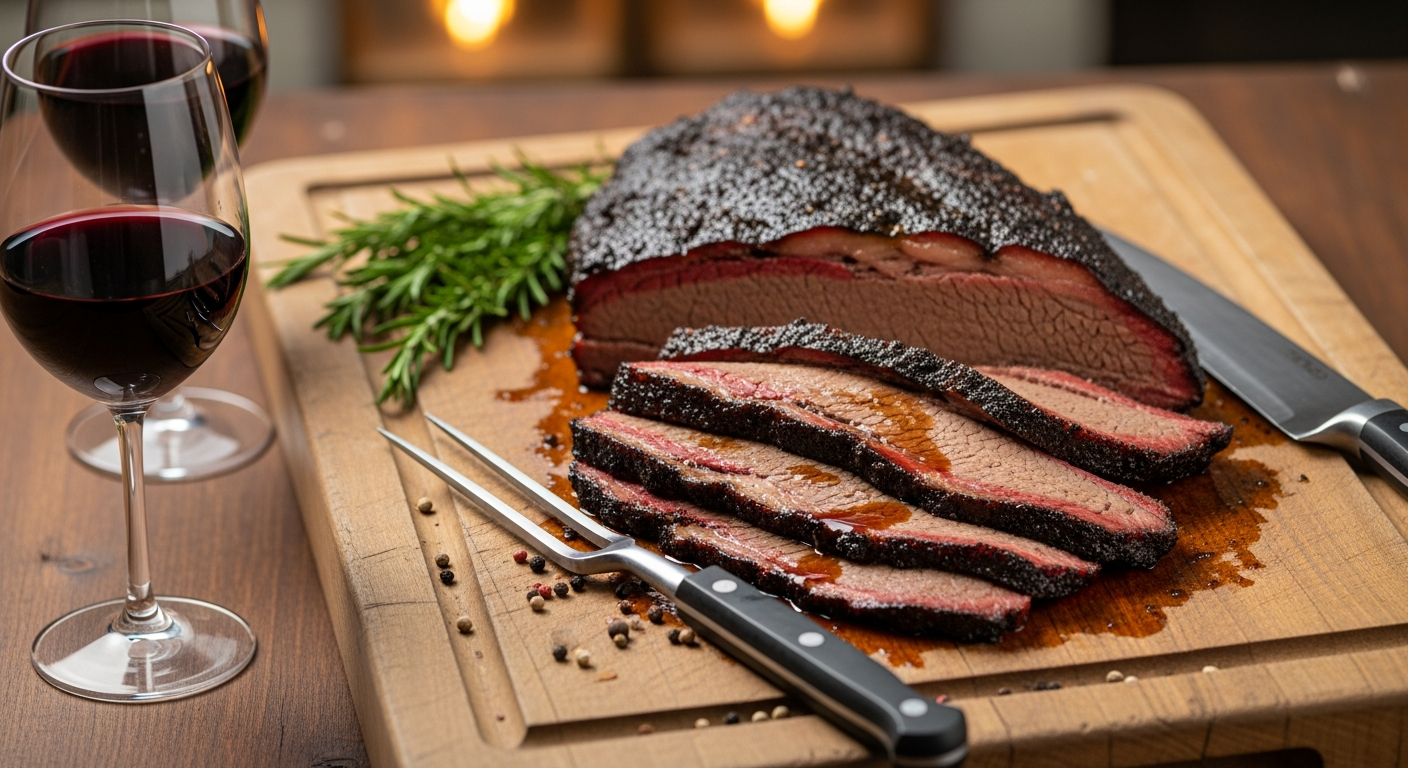
Beer gets all the credit as brisket's partner. But wine — specifically the right red wine — can be an even better match. The tannins in red wine interact with brisket fat in ways carbonation can't replicate. Instead of scrubbing your palate clean, tannins bind to the fat proteins, creating a smooth, integrated mouthfeel that makes both the wine and the brisket taste richer.
The key is knowing which wines can handle 12 hours of smoke, a half-inch pepper bark, and rendered beef fat without getting buried. Delicate wines will get destroyed. You need bottles with backbone, dark fruit, and enough structure to stand next to Texas-style brisket.
This guide breaks down the best wine for every part of the brisket — with specific varietal recommendations, the chemistry behind each pairing, and bottles worth opening on cook day.
Why Wine and Brisket Work: The Flavor Science
Wine and smoked meat is an underappreciated combination. Three mechanisms explain why certain reds pair beautifully with brisket.
Tannin-fat binding. Tannins — the astringent compounds in red wine — bind directly to the proteins in beef fat. This creates a smoothing effect: the wine feels less astringent, and the fat feels less heavy. It's why a tannic Cabernet that tastes harsh on its own can taste velvety with fatty meat. With brisket point, this interaction is especially pronounced because of the high fat content.
Smoke-oak synergy. Many red wines age in oak barrels, which impart toasted, smoky, and vanilla flavors to the wine. These oak-derived compounds overlap with the smoke compounds in brisket bark. Your brain reads them as the same flavor family — creating harmony instead of competition. Wines aged in American oak (common in Zinfandel, Rioja) have stronger smoke-vanilla notes than those aged in French oak.
Fruit balances pepper. Central Texas brisket relies heavily on a coarse black pepper rub. Red wines with dark fruit — blackberry, plum, cassis — provide natural sweetness that counterbalances pepper heat without masking it. The fruit acts as a bridge between the spice on the bark and the beefy richness underneath.
Acidity refreshes. Good red wines have enough acidity to cut through richness, similar to how a squeeze of lemon brightens a heavy dish. With brisket, that acidity prevents palate fatigue over a long meal — which matters when you're eating a pound of smoked beef.
Best Wine for Brisket Point (The Fatty Side)
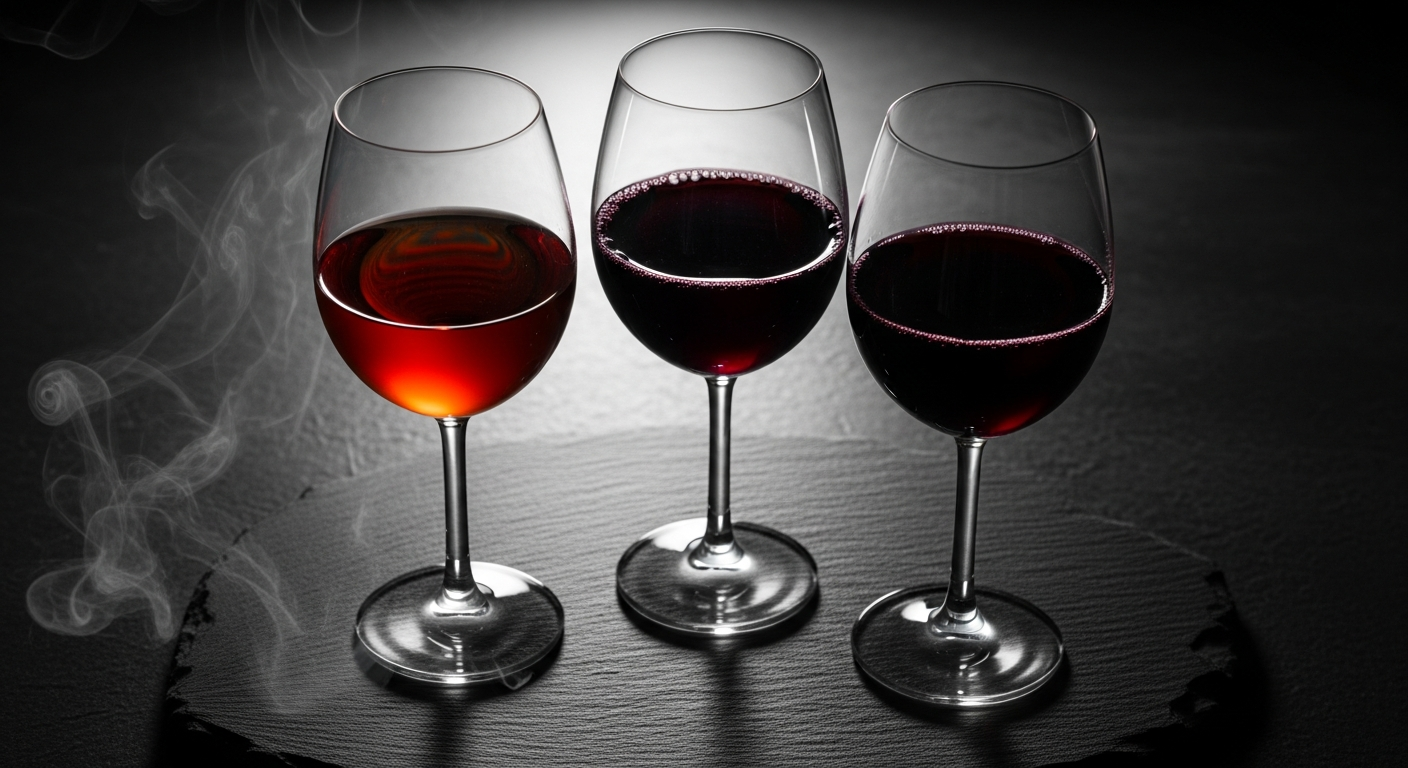
The point is the fattier, thicker end of the brisket with heavy intramuscular marbling. When smoked right, it's buttery, intensely beefy, and melts in your mouth. This much richness demands a wine with serious tannin structure, bold fruit, and enough body to avoid getting steamrolled.
Zinfandel — The Best Overall Match
If you only open one bottle with brisket, make it a Zinfandel. Specifically, a Dry Creek Valley or Paso Robles Zin with 14-15% ABV. Here's why it's the champion pairing:
Zinfandel's jammy blackberry and black pepper notes are a direct flavor bridge to peppery brisket bark. The naturally high tannins bind to rendered fat, creating that smoothing effect where both wine and meat taste better together than apart. And American oak aging gives most Zinfandels a vanilla-smoke quality that echoes the smoker.
Try: Ridge Lytton Springs (Sonoma — structured, complex, pepper-spice), Turley Juvenile (fruit-forward, bold), or Seghesio Old Vine (Dry Creek — classic, balanced). All three are under $40 and built for exactly this kind of food.
Petite Sirah — The Bold Alternative
If you want even more power, Petite Sirah delivers. This grape produces some of the most tannic, darkly colored wines in California. The inky blackberry-blueberry fruit and massive structure can handle the fattiest point slices without blinking. It's like Zinfandel's bigger, darker sibling.
Try: Bogle Petite Sirah (value pick — $12 and punches way above its weight), Concannon (Livermore — the original California Petite Sirah producer), or Stags' Leap Winery Petite Sirah (Napa — polished and powerful).
What to Avoid With Point
Skip Pinot Noir — too delicate, the fat will flatten it. Avoid unoaked whites entirely. And while Cabernet Sauvignon can work, its higher tannins sometimes create a metallic edge with heavily smoked meat. Save the Cab for a cleaner preparation.
Best Wine for Brisket Flat (The Lean Side)
The flat is leaner with a firmer texture and higher bark-to-meat ratio. The flavor is more concentrated, smokier, and less about fat richness. You want a medium-to-full-bodied wine with good acidity and softer tannins — enough structure to complement the bark without overpowering the leaner meat.
Malbec — The Perfect Flat Wine
Argentine Malbec is tailor-made for brisket flat. The velvety plum and blackberry fruit matches the smoky meat, while the moderate tannins complement without competing. Malbec's naturally soft texture mirrors the flat's firmer bite — where Zinfandel can overwhelm lean slices, Malbec integrates seamlessly.
There's a cultural logic too: Argentina's asado tradition — whole-animal grilling over wood fire — has shaped Malbec's character over generations. These wines evolved alongside smoke and beef.
Try: Catena Malbec (Mendoza — excellent structure, $15), Zuccardi Serie A (Valle de Uco — floral, elegant), or Bodega Norton Reserva (classic, reliable). For a splurge, Achával-Ferrer Finca Altamira is transcendent with smoked beef.
Syrah/Shiraz — The Smoky Option
Syrah naturally carries peppery, smoky, and meaty aromas — sometimes literally described as "bacon fat" by wine critics. These savory notes make it a natural partner for the smoky character of brisket flat. Northern Rhône Syrahs (Crozes-Hermitage, Saint-Joseph) tend toward the peppery-elegant end. Australian Shiraz from Barossa Valley goes bigger with chocolate and vanilla.
Try: E. Guigal Crozes-Hermitage (peppery, elegant — $20), Penfolds Bin 28 Kalimna Shiraz (bold, oaky — $25), or K Vintners Syrah (Washington State — dark, concentrated).
What to Avoid With Flat
Avoid overly tannic wines — the lean meat doesn't have enough fat to soften aggressive tannins, so you'll get an astringent, drying sensation. Also skip anything too fruity or sweet, like a cheap Apothic Red — the residual sugar clashes with smoke.
Best Wine for Burnt Ends
Burnt ends are cubed brisket point, re-smoked with barbecue sauce until caramelized and sticky. They're sweet, smoky, fatty, and charred — the most intensely flavored form of brisket. The wine needs to match that intensity without being overwhelmed by the sauce.
Primitivo (Italian Zinfandel) — Sweet Meets Sweet
Primitivo from Puglia delivers the same jammy fruit as California Zinfandel but often with a touch more residual sweetness and dried-fruit character. That slight sweetness harmonizes beautifully with BBQ sauce glaze on burnt ends. The warm, baked-fruit quality mirrors the caramelization.
Try: A Mano Primitivo (excellent value at $10), Tormaresca Torcicoda (more structured), or Vigneti del Salento Primitivo di Manduria (rich and figgy).
Grenache/Garnacha — The Warm-Spice Match
Grenache-based wines from Châteauneuf-du-Pape or Priorat bring warm spice (cinnamon, clove), ripe red fruit (raspberry, cherry), and a silky texture that complements the caramelized exterior of burnt ends. The warmth of the wine echoes the warmth of the spice rub.
Try: Perrin Châteauneuf-du-Pape Les Sinards ($30 — rich, complex), or Clos Erasmus (Priorat — stunning but expensive). For everyday value, any Côtes du Rhône-Villages will work.
Wine Pairing by Sauce Style
The sauce changes everything. Here's how to adjust:
Central Texas (salt + pepper, no sauce): Zinfandel or Petite Sirah. With no sauce sweetness, you want the wine's fruit to provide that counterpoint to the pepper.
Kansas City (sweet, tomato-based): Malbec or Primitivo. The wine's fruit sweetness should match — not fight — the sauce's sweetness. Avoid high-tannin wines; sweet sauce and aggressive tannins create a bitter clash.
Carolina vinegar-based: Barbera d'Asti. The high acidity in Barbera mirrors the tang of vinegar sauce, creating a cohesive sharp-fruity experience.
Mustard-based (South Carolina): Tempranillo from Rioja. The wine's earthy, leathery notes complement mustard's pungency without competing.
Alabama white sauce (mayonnaise-based): Rosé. Seriously. The lighter fat profile of white sauce and the typically chicken or pork base (white sauce brisket is rare) calls for a wine with less tannin. A bold Tavel rosé from the Rhône works beautifully.
Wine Serving Tips for BBQ Day
Chill your reds slightly. Serve at 60-65°F, not room temperature. Smoke and fat already create a lot of heaviness on the palate. A slightly cool wine feels more refreshing and the fruit comes across cleaner. Pop the bottle in the fridge for 20 minutes before serving.
Skip the fancy glassware. BBQ is casual. Use stemless wine glasses or even tumblers. You'll be eating with your hands, probably outdoors. Nobody needs a Riedel Bordeaux glass at a brisket cookout.
Open multiple bottles. Different parts of the brisket pair with different wines. Having a Zinfandel for the point and a Malbec for the flat lets your guests experience both pairings. Two bottles for 4-6 people is perfect.
Decant young wines. Bold reds under 5 years old benefit from 30-60 minutes in a decanter. The extra oxygen softens tannins and opens up the fruit — both of which improve the brisket pairing.
Common Mistakes
Choosing wine by price instead of style. A $50 Napa Cabernet will pair worse with brisket than a $15 Argentine Malbec. Brisket needs fruit-forward, moderate-tannin wines — not necessarily expensive ones.
Ignoring the rub. A coffee-rubbed brisket wants different wine than a classic dalmatian (salt + pepper). Match the wine to the seasonings, not just the meat. Coffee rubs love Petite Sirah. Chile-rubbed brisket needs Grenache. Garlic-heavy rubs work with Tempranillo.
Going too light. Rosé and white wines (except as noted for white sauce) will get obliterated by 12 hours of post-oak smoke. You need reds with enough concentration to hold their own.
Forgetting acidity. Rich brisket needs acid. Wines with flat, flabby acidity (many cheap California reds) will feel heavy and monotonous alongside fatty beef. Look for wines from regions with warm days and cool nights — that temperature swing preserves acidity while building fruit ripeness.
Quick Reference Chart
Brisket Point (fatty) — Zinfandel (Dry Creek, Paso Robles) or Petite Sirah
Brisket Flat (lean) — Malbec (Mendoza) or Syrah (Northern Rhône, Barossa)
Burnt Ends — Primitivo (Puglia) or Grenache (Châteauneuf-du-Pape)
No sauce (Texas-style) — Zinfandel or Petite Sirah
Sweet sauce (KC-style) — Malbec or Primitivo
Vinegar sauce (Carolina) — Barbera d'Asti
Mustard sauce — Tempranillo (Rioja)
The Bottom Line
Brisket and wine isn't blasphemy — it's an overlooked masterclass in flavor pairing. The tannin-fat interaction, the smoke-oak synergy, and the fruit-pepper balance create combinations that rival any classic food-and-wine match.
Start with a Dry Creek Valley Zinfandel and fatty brisket point. If that doesn't convert you, nothing will. Then work your way through the flat with Malbec, try burnt ends with Primitivo, and experiment with sauce pairings. The rabbit hole goes deep — and every bottle is a new discovery.
Frequently Asked Questions
What is the best wine to drink with smoked brisket?
Zinfandel is the best overall wine for smoked brisket. Its jammy blackberry fruit, black pepper notes, and bold tannins complement the smoke, fat, and peppery bark perfectly. Look for Dry Creek Valley or Paso Robles Zinfandels in the $20-35 range.
Is red wine or white wine better with brisket?
Red wine is significantly better with brisket. The tannins in red wine bind to beef fat creating a smooth mouthfeel, and the dark fruit flavors complement smoke. White wine lacks the structure and body to stand up to 12 hours of smoke and rendered beef fat.
Can you pair Cabernet Sauvignon with brisket?
Cabernet Sauvignon can work with brisket, but it's not the ideal choice. Its high tannins can create a metallic edge with heavily smoked meat. Zinfandel, Malbec, and Petite Sirah are better matches because their fruit profile and tannin structure complement smoke more naturally.
What wine goes with BBQ sauce brisket?
For sweet, tomato-based BBQ sauce (Kansas City style), choose Malbec or Primitivo — wines with enough fruit sweetness to match the sauce. For vinegar-based Carolina sauce, try Barbera d'Asti. For mustard sauce, Tempranillo from Rioja works best.
Should you chill red wine when serving with brisket?
Yes, slightly. Serve red wine at 60-65°F rather than room temperature. The slight chill makes the wine more refreshing alongside heavy, fatty brisket. Put the bottle in the refrigerator for 20 minutes before serving.
More Pairing Guides
Best Bourbon for Pork Ribs vs Beef Ribs: Complete Pairing Guide
Pork ribs and beef ribs aren't interchangeable when it comes to bourbon pairing. Fat content, smoke intensity, and flavor depth determine which bottle works best. Here's the complete breakdown.
12 min readBest Bourbon for BBQ Ribs: 7 Perfect Pairings (Tasted & Ranked)
Not every bourbon works with every style of ribs. Here are 7 bourbon pairings ranked by rib type, sauce style, and smoke profile — with specific bottles tested against real BBQ.
10 min readBest Wine with Tri-Tip: Expert Pairing Guide
Tri-tip demands wines with enough structure to match its intensity while complementing its smoky, savory profile.