Best Wine with Chicken: A Complete Pairing Guide by Cut & Cooking Method
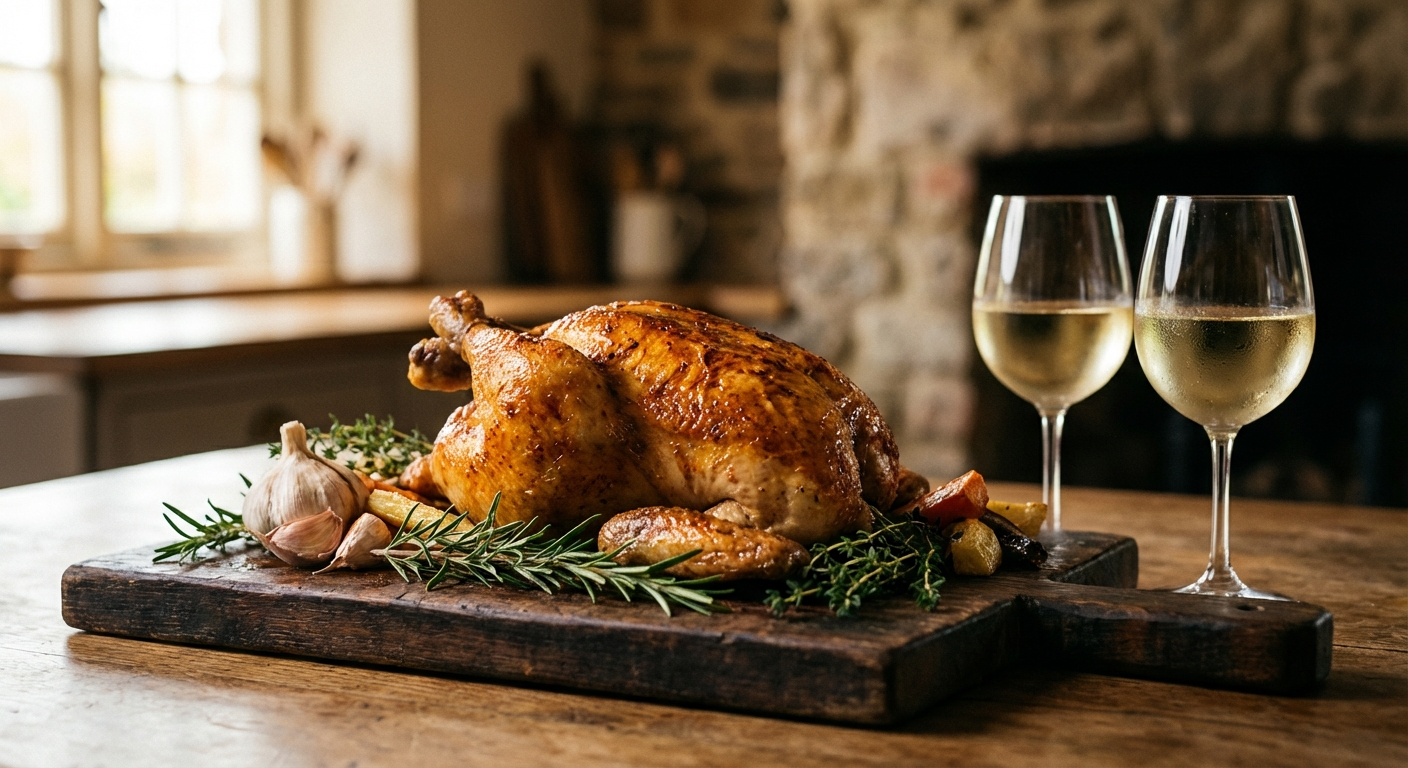
Best Wine with Chicken: A Complete Pairing Guide by Cut & Cooking Method
Here's the dirty secret of wine pairing: chicken is harder to pair than steak. With a ribeye, you pour Cabernet and move on. With chicken, the right bottle depends entirely on how it's cooked, what it's seasoned with, and whether you're eating breast or thigh. Get it wrong and you've got a glass of wine that makes the chicken taste like nothing.
I've spent years testing pairings across every chicken preparation I can think of — roasted, grilled, fried, braised, smoked, poached. The common advice is "white wine with chicken" and while that's a decent starting point, it's wildly incomplete. Some of the best chicken pairings I've ever had involved red wine. Some involved sparkling. The key isn't color — it's matching the wine's weight and flavor to the dish's intensity.
This guide breaks it down by cut and cooking method, with specific bottle recommendations at every price point. No sommelier jargon, just pairings that work.
The Fundamental Rule: Match Weight to Weight
Before diving into specifics, understand the one rule that governs every chicken-wine pairing: the wine's body must match the dish's richness. A poached chicken breast with lemon is a light dish — it needs a light wine. Coq au vin braised in red wine for three hours is a heavy dish — it can handle a serious red.
Chicken itself is relatively neutral in flavor compared to beef or lamb. That neutrality is actually an advantage — it means the seasoning, sauce, and cooking method drive the pairing more than the protein. A tandoori chicken thigh and a chicken piccata are practically different animals when it comes to wine selection.
Quick reference by cooking method:
- Roasted/grilled (simple seasoning): Medium-bodied whites — Chardonnay, white Burgundy, Viognier
- Fried: Sparkling wine, dry Riesling, Champagne
- Braised/stewed: Light to medium reds — Pinot Noir, Grenache, Côtes du Rhône
- Smoked/BBQ: Off-dry Riesling, Zinfandel, rosé
- Poached/steamed: Light whites — Sauvignon Blanc, Pinot Grigio, Albariño
Roast Chicken: The Classic Pairing
A well-roasted whole chicken — skin crackling, juices running clear, herb butter under the skin — is one of cooking's greatest achievements. It's also the easiest chicken preparation to pair with wine because the flavors are clean and direct: golden skin, rendered fat, herbs, and the sweet flavor of well-cooked poultry.
Top pick: Oaked Chardonnay. There's a reason this is the default recommendation — it works beautifully. The wine's buttery texture mirrors the richness of roasted chicken skin, while its subtle oak and vanilla notes complement the caramelization from high-heat roasting. California or Australian Chardonnay with moderate oak is ideal.
Specific bottles:
- Rombauer Chardonnay (Carneros): $40 — Rich, buttery, tropical. The textbook roast chicken pour. Full-bodied enough to stand up to dark meat and pan drippings.
- Kumeu River Estate Chardonnay (New Zealand): $22 — More restrained oak, citrus-driven. Elegant with herb-roasted birds.
- Louis Jadot Pouilly-Fuissé: $28 — White Burgundy that balances richness with minerality. Exceptional with roast chicken and root vegetables.
Alternative pick: White Burgundy (Meursault or Puligny-Montrachet). If you want to splurge, premier cru white Burgundy with roast chicken is one of the most celebrated food-and-wine pairings in the world. The wine's combination of richness, acidity, and stony minerality elevates simple roast chicken into something transcendent.
Avoid: Heavy, tannic reds. Cabernet Sauvignon makes roast chicken taste metallic. The tannins have nothing to grip — no fat marbling like steak — and the result is bitter and unpleasant.
Grilled Chicken: Char Meets Acidity
Grilling adds smoke and char that roasting doesn't. Those flavors shift the pairing calculus significantly — you need wines with enough personality to match the grill's intensity without overwhelming the chicken's relatively mild flavor.
For simple grilled chicken (salt, pepper, olive oil): Verdejo or Albariño. Spanish whites with enough texture and herbal character to complement char marks. The bright acidity cuts through any oiliness from basting.
For marinated/seasoned grilled chicken:
- Lemon-herb marinade: Sauvignon Blanc (Sancerre or New Zealand). The wine's citrus and herbaceous qualities echo the marinade perfectly.
- Jerk or spicy marinade: Off-dry Riesling (Spätlese). A touch of residual sugar tames the heat while the wine's racy acidity keeps things refreshing.
- Teriyaki or soy-based: Dry Gewürztraminer or Pinot Gris from Alsace. The wine's aromatic intensity matches sweet-savory Asian glazes.
- BBQ sauce glaze: Zinfandel or dry rosé. Zinfandel's jammy fruit and spice mirror BBQ sauce's sweet-smoky profile.
Grilled chicken thighs specifically deserve a special mention. Dark meat has more fat and more flavor than breast, which means it can handle wines with more body. A grilled chicken thigh with crispy skin pairs beautifully with a light Pinot Noir — especially Oregon or Burgundy bottlings with earthy undertones.
Fried Chicken: The Champagne Rule
Champagne and fried chicken is not a gimmick. It is legitimately one of the best food-and-wine pairings that exists, and every sommelier I know agrees. The science is simple: Champagne's high acidity and carbonation cut through the oil and batter like a knife. The yeasty, toasty notes complement the fried coating. The bubbles cleanse your palate between bites so every piece tastes as good as the first.
Top pick: Brut Champagne or quality sparkling wine. You don't need Krug — a good Crémant de Loire or quality California sparkling wine works wonderfully. The key is bone-dry with fine bubbles and enough acidity to power through the richness.
Specific bottles:
- Veuve Clicquot Yellow Label Brut: $55 — The crowd-pleasing pick. Rich enough for Nashville hot chicken, elegant enough for a buttermilk-brined classic.
- Schramsberg Blanc de Blancs (Napa): $35 — California sparkler with crisp apple and citrus. Excellent value.
- Crémant d'Alsace (Lucien Albrecht): $18 — Steal of the century. Fine bubbles, bright acidity, bone dry. Perfect fried chicken wine at a fraction of Champagne prices.
Runner-up: Dry Riesling. German Kabinett Riesling (dry style) has the acidity to match Champagne and adds an aromatic dimension — petrol, lime, and white flowers — that works surprisingly well with crispy battered chicken. Try it with Korean fried chicken especially.
Avoid: Anything oaky or heavy. Oaked Chardonnay with fried chicken is a disaster — the butter-on-butter effect makes everything taste greasy. Keep it crisp, keep it bubbly, keep it clean.
Braised Chicken: Time for Red Wine
Braising transforms chicken into something deeper and richer. Long cooking in liquid breaks down connective tissue, concentrates flavors, and creates complex sauces. This is where red wine enters the chicken pairing conversation with full authority.
Coq au vin: Pair with what you cooked it in — Burgundy Pinot Noir. The dish was literally invented to showcase this pairing. A village-level Burgundy from Gevrey-Chambertin or Volnay mirrors the wine-enriched sauce perfectly.
Chicken cacciatore (tomato-based braised): Chianti Classico or Barbera d'Asti. Italian reds with bright acidity that match tomato's tang. The earthy, herbal qualities complement the Mediterranean vegetables.
Chicken tagine (Moroccan spices, dried fruit): Grenache-based blends from the southern Rhône (Châteauneuf-du-Pape or Gigondas). The wine's ripe fruit and warm spice notes — cinnamon, white pepper, dried herbs — are a natural match for North African flavors.
Chicken and dumplings or cream-based braise: Back to white — but richer. Oaked Chardonnay or Marsanne. The cream in the sauce needs a wine with matching richness and enough acidity to cut through it.
Smoked Chicken: The Underrated Pairing Challenge
Smoking chicken adds layers of complexity that most wine guides ignore. Smoke flavor is aggressive — it can bulldoze a delicate wine into irrelevance. You need bottles with enough aromatic intensity and flavor depth to stand alongside hickory, mesquite, or fruitwood smoke.
Top pick: Off-dry Riesling (Spätlese). The slight sweetness softens smoke's edge while the wine's electric acidity keeps the pairing lively. This is one of the most underrated pairings in the food-and-wine world. A Mosel Riesling Spätlese with smoked chicken wings is genuinely thrilling.
Alternative: Dry rosé from Provence. Rosé's combination of red-fruit flavor and crisp acidity splits the difference between white and red. It has enough color and weight to feel appropriate with smoky meat, but enough freshness to avoid heaviness. Domaines Ott or Château Miraval are safe bets.
For heavily smoked preparations (competition-style): Zinfandel or Syrah. These bigger wines can stand up to intense smoke without getting lost. A Dry Creek Valley Zinfandel with competition-smoked chicken thighs is a backyard feast waiting to happen.
Chicken Breast vs. Chicken Thigh: Why It Matters
This distinction matters more than most people realize. Breast and thigh are different meats with different fat content, different textures, and different flavor intensities — and they need different wines.
Chicken breast is lean, mild, and delicate. It dries out easily and has subtle flavor. Pair it with lighter wines that won't overpower it:
- Pinot Grigio or Pinot Gris
- Unoaked Chardonnay (Chablis)
- Sauvignon Blanc
- Vermentino
- Light, dry Chenin Blanc
Chicken thigh is richer, fattier, and more flavorful. It holds up to bigger wines and bolder cooking methods:
- Oaked Chardonnay
- Viognier
- Light Pinot Noir (Oregon or Burgundy)
- Côtes du Rhône rouge
- Beaujolais (Morgon or Fleurie cru)
Chicken wings are their own category — high skin-to-meat ratio means lots of fat and crispy texture. Treat them like fried chicken: sparkling wine, dry Riesling, or cold rosé.
Wine Pairing by Global Cuisine
Chicken appears in virtually every cuisine on earth, and the seasoning profile matters as much as the cooking method. Here's a global cheat sheet:
French (roast, confit, coq au vin): French wines. Burgundy for roast, Rhône for braised, Loire for lighter preparations. The regional pairing principle — what grows together goes together — works perfectly here.
Italian (parmigiana, piccata, cacciatore): Italian whites and light reds. Verdicchio with piccata, Chianti with cacciatore, Soave with parmigiana.
Mexican (mole, tacos, enchiladas): Tempranillo, Garnacha, or Malbec. These wines handle chili heat and complex spice without flinching. For chicken mole specifically, a ripe Grenache from Priorat mirrors the sauce's dark, complex sweetness.
Indian (tandoori, tikka masala, curry): Off-dry Riesling or Gewürztraminer. Aromatic whites handle Indian spices brilliantly. The residual sugar cools heat, the aromatics match the spice complexity. Avoid tannic reds — they amplify chili burn.
Thai (green curry, satay, larb): Riesling, Grüner Veltliner, or Torrontés. Aromatic and slightly off-dry handles the sweet-sour-spicy balance of Thai cooking. Grüner Veltliner's white pepper note is particularly good with Thai basil.
Japanese (yakitori, karaage, teriyaki): Sake is the obvious choice, but dry Champagne or Muscadet works beautifully too. For teriyaki glaze, a dry Alsatian Pinot Gris matches the sweet-savory profile.
Korean (fried chicken, bulgogi-style, gochujang glazed): Off-dry sparkling or Lambrusco. Korean fried chicken's sweet-spicy-crunchy combination loves bubbles and a touch of sweetness.
The Budget Pairings: Best Value Under $15
Great chicken-wine pairings don't require expensive bottles. Chicken's relatively mild flavor means affordable wines with good acidity and clean fruit perform beautifully.
- Bogle Chardonnay ($10): Light oak, clean apple fruit. The everyday roast chicken wine.
- Dr. Loosen Riesling ($13): Off-dry, perfect acidity. Works with everything from fried to spicy.
- Marqués de Cáceres Rioja Blanco ($11): Viura grape, citrus and herbs. Grilled chicken's best friend under $15.
- Cono Sur Bicicleta Pinot Noir ($9): Light, cherry-forward. Surprisingly good with braised chicken.
- La Vieille Ferme Rosé ($9): Dry Provençal-style rosé at a fraction of the price. Summer grilled chicken essential.
Common Mistakes to Avoid
After years of pairing wine with chicken, these are the mistakes I see most often:
1. Treating all chicken the same. A poached breast and a fried thigh are completely different dishes. Pair the preparation, not just the protein.
2. Defaulting to Pinot Grigio. It's fine but boring. Pinot Grigio works with plain chicken breast and nothing else. Branch out.
3. Avoiding red wine entirely. Light reds — Pinot Noir, Gamay, Grenache — pair wonderfully with dark meat, braised dishes, and anything with mushrooms or rich sauces.
4. Ignoring the sauce. Chicken in cream sauce needs a different wine than chicken in tomato sauce. The sauce is the primary pairing target, not the chicken itself.
5. Serving wine too warm. White wines for chicken should be cold — 45-50°F. Light reds should be slightly chilled — 55-60°F. Room temperature Chardonnay with chicken is a sad experience.
Frequently Asked Questions
What is the best wine to pair with chicken?
The best all-around wine for chicken is a medium-bodied Chardonnay with moderate oak. It works with roasted, grilled, and sautéed chicken. For fried chicken, switch to Champagne or sparkling wine. For braised chicken, try a light Pinot Noir.
Can you drink red wine with chicken?
Absolutely. Light to medium reds like Pinot Noir, Beaujolais (Gamay), and Grenache pair beautifully with chicken thighs, braised dishes, and any chicken preparation with rich sauces or mushrooms. Avoid heavy tannic reds like Cabernet Sauvignon.
Why does Champagne pair well with fried chicken?
Champagne's high acidity and carbonation cut through the oil and batter, cleansing your palate between bites. The yeasty, toasty notes complement the fried coating. It's considered one of the great food-wine pairings by sommeliers worldwide.
What wine goes with spicy chicken?
Off-dry Riesling is the best choice for spicy chicken dishes like tandoori, jerk, or buffalo wings. The slight sweetness cools the heat while the acidity keeps the pairing refreshing. Gewürztraminer also works well with complex spice profiles.
What wine pairs with chicken parmesan?
Chianti Classico or a medium-bodied Italian red like Barbera. The wine's acidity matches the tomato sauce, while its earthy notes complement the breaded coating and melted cheese. Soave or Verdicchio work if you prefer white.
More Pairing Guides
Best Bourbon for Pork Ribs vs Beef Ribs: Complete Pairing Guide
Pork ribs and beef ribs aren't interchangeable when it comes to bourbon pairing. Fat content, smoke intensity, and flavor depth determine which bottle works best. Here's the complete breakdown.
12 min readBest Bourbon for BBQ Ribs: 7 Perfect Pairings (Tasted & Ranked)
Not every bourbon works with every style of ribs. Here are 7 bourbon pairings ranked by rib type, sauce style, and smoke profile — with specific bottles tested against real BBQ.
10 min readBest Wine with Tri-Tip: Expert Pairing Guide
Tri-tip demands wines with enough structure to match its intensity while complementing its smoky, savory profile.