Best Wine With Lamb Chops: A Cut-by-Cut Pairing Guide
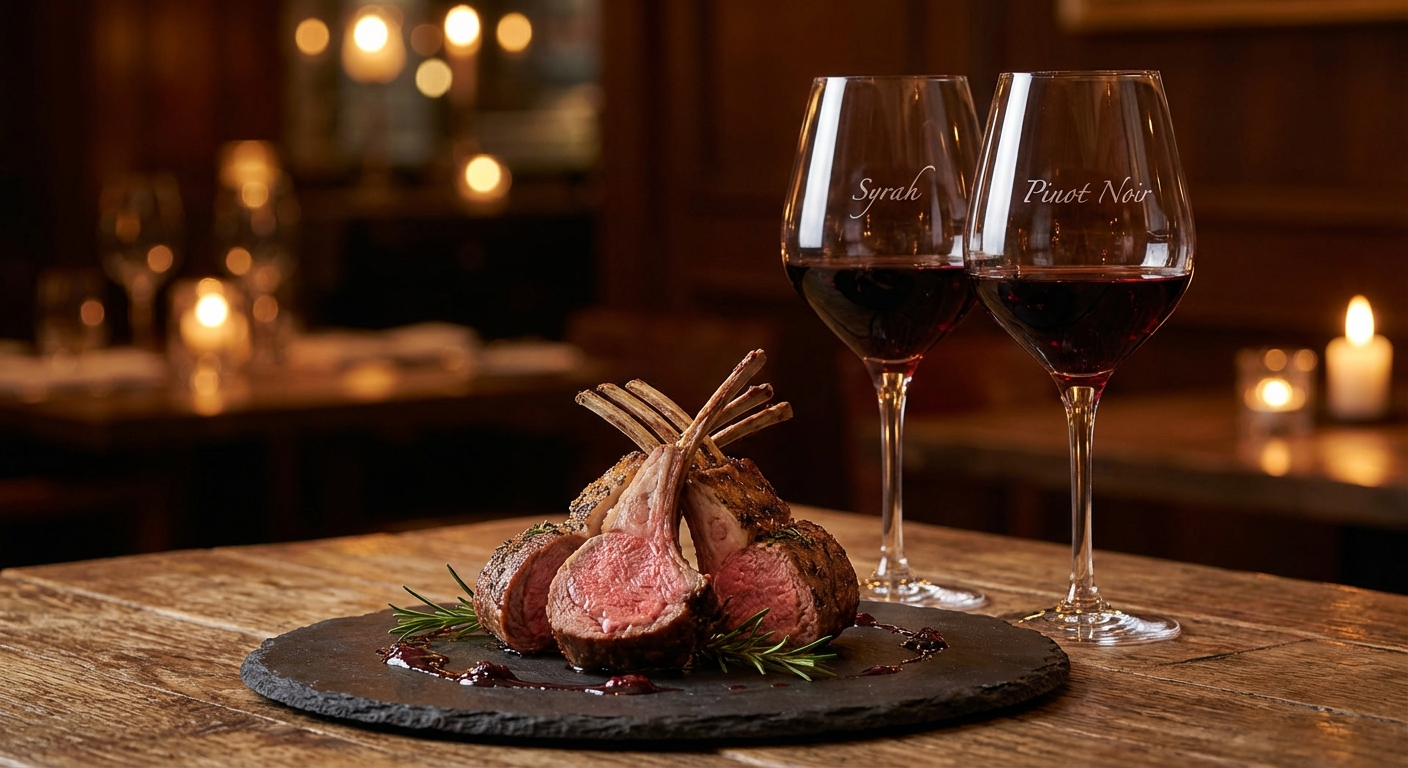
Lamb chops and red wine is one of the oldest pairings in culinary history. The combination works because lamb fat carries a distinctive sweetness that red wine tannins cut through beautifully, while the herbal, slightly gamy character of the meat finds a natural echo in wines grown on the same Mediterranean hillsides where lambs have grazed for millennia.
But "lamb chops" is not one thing. A dainty double-cut rib chop from a rack of lamb has almost nothing in common with a thick, bone-in shoulder chop braised until fork-tender. The wine that makes one sing will overpower or underwhelm the other. This guide breaks it down by cut, then by cooking method, so you always reach for the right bottle.
Every recommendation here is specific — grape variety, region, and style — because vague advice like "pair with red wine" helps nobody. You deserve better guidance than that.
Why Wine and Lamb Chops Are Natural Partners
The science behind this pairing is more interesting than most people realize. Three mechanisms explain why wine works with lamb better than almost any other protein:
Tannin meets fat. Lamb chops carry more intramuscular fat than most cuts of beef relative to their size. This fat coats your palate richly and quickly. Wine tannins — the astringent phenolic compounds in red wine — bind to proteins in your saliva and to the fat itself, physically scrubbing your palate clean between bites. The higher the fat content of the chop, the more tannin you want. This is why a fatty rib chop loves Cabernet Sauvignon while a lean loin chop prefers Pinot Noir.
Herbal flavor bridging. Lamb has a naturally herbal, slightly mineral quality that no other meat shares. Rosemary, thyme, and oregano aren't just traditional lamb seasonings by accident — they amplify flavors already present in the meat. Many red wines, particularly those from southern France, northern Spain, and Italy, carry identical herbal notes from the same plant families growing in their vineyards. When the wine's garrigue echoes the lamb's natural herbaceousness, the pairing feels inevitable rather than forced.
Umami amplification. Seared lamb produces intense glutamate — the core umami compound. Red wine, especially aged wine, contains its own glutamate from amino acid breakdown during aging. When these two umami sources combine on your palate, the savory intensity multiplies. This is why older vintages of structured reds pair so magically with well-seared lamb.
Best Wine for Rack of Lamb (Rib Chops)
Rack of lamb — the elegant, Frenched rib section — is the most celebrated lamb cut and the most wine-friendly. The meat is tender, moderately fatty, and almost always served medium-rare with a pink center. The fat cap renders during roasting, concentrating flavor while the interior stays delicate.
Top pick: Northern Rhône Syrah. A Côte-Rôtie or Crozes-Hermitage brings cracked pepper, smoked meat, and violet aromas that mirror the seared lamb crust perfectly. The tannins are firm enough to handle the fat cap but refined enough not to bully the tender interior meat. Look for producers like E. Guigal, Jaboulet, or Domaine Bernard. Expect to spend $30-65 for a bottle that elevates the rack from excellent to transcendent.
Runner-up: Left Bank Bordeaux. A Cabernet Sauvignon-dominant blend from Haut-Médoc or Pauillac provides the structural backbone for a richly seasoned rack. The cassis and cedar notes complement rosemary-crusted preparations beautifully. A 5-8 year old vintage with softened tannins is ideal — young, aggressive Bordeaux overwhelms the delicate lamb flavor.
Adventurous pick: Bandol Mourvèdre. From Provence, these meaty, wild-herb-scented reds taste like they were designed for lamb. Domaine Tempier is the benchmark. The gamy, leathery notes in the wine amplify the lamb's own character rather than covering it. This is a pairing that rewards people who appreciate lamb for what it is, not despite what it is.
Best Wine for Loin Chops
Loin chops — the T-bone of lamb — are leaner than rib chops with a small tenderloin on one side and a strip of loin on the other. They cook quickly and are best served medium-rare. The lower fat content changes the wine equation significantly.
Top pick: Burgundy Pinot Noir. The elegance of a Gevrey-Chambertin or Volnay matches the refinement of a perfectly grilled loin chop. Pinot Noir's lighter tannins won't overwhelm the lean meat, while its earthy, mushroom-laced undertones create a savory harmony. Village-level Burgundy ($35-55) hits the sweet spot — you don't need Premier Cru to make this pairing work, though it certainly doesn't hurt.
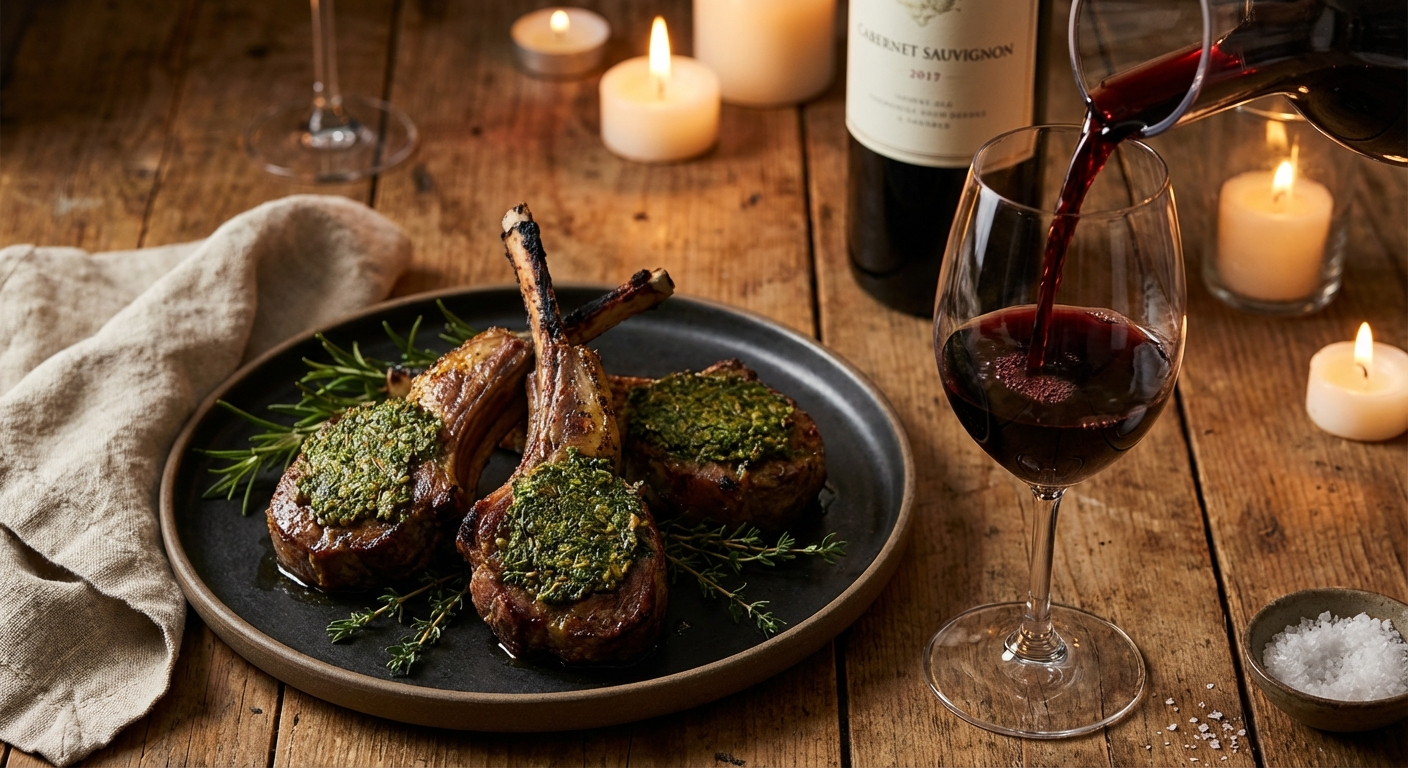
Runner-up: Willamette Valley Pinot Noir. Oregon Pinot Noir brings slightly more fruit and spice than Burgundy, with a texture that's generous without being heavy. Producers like Domaine Drouhin Oregon, Eyrie Vineyards, or Cristom offer exceptional value. The cranberry and baking spice notes play beautifully with lemon-herb seasoned loin chops.
Wild card: Nebbiolo from Langhe. Not full Barolo or Barbaresco — a Langhe Nebbiolo at $20-30 offers the same rose petal and tar aromatics without the aggressive tannins. It matches loin chop's lean elegance while adding a distinctly Italian sense of place. Try it with loin chops rubbed with garlic and sage.
Best Wine for Shoulder Chops
Shoulder chops are the working-class hero of lamb cuts. More connective tissue, more fat, more flavor. They benefit from longer cooking — braising, slow roasting, or grilling over lower heat. The resulting meat is rich, unctuous, and deeply savory. These chops need wines with structure and weight.
Top pick: Châteauneuf-du-Pape. The Grenache-Syrah-Mourvèdre blend from southern Rhône is built for rich, braised lamb. Spiced plum, garrigue herbs, and warm earth flavors merge seamlessly with slow-cooked shoulder meat. The alcohol (often 14-15%) has enough heft to stand up to concentrated braise flavors. Château Rayas, Domaine du Vieux Télégraphe, and Château Beaucastel are classic choices, but the appellation is deep with excellent producers at every price point.
Runner-up: Ribera del Duero Tempranillo. Spanish Tempranillo from Ribera del Duero delivers dark fruit, leather, and toasted oak that complement the caramelized exterior of a braised shoulder chop. The wines have grip without harshness, making them versatile enough for both grilled and braised preparations. Pesquera, Protos, and Pago de los Capellanes offer outstanding quality-to-value ratios.
Budget pick: Southern Rhône Côtes du Rhône Villages. For under $15, a well-made Côtes du Rhône Villages gives you 80% of the Châteauneuf experience. The fruit is slightly simpler, but the herbal complexity and smooth tannins still make it a fantastic shoulder chop companion for weeknight cooking.
How Cooking Method Changes the Wine
The same lamb chop prepared three different ways needs three different wines. Cooking method transforms fat rendering, crust development, and flavor concentration — all of which shift what your palate needs from the glass.
Grilled over high heat: Direct flame adds char and smoke. These flavors want wines with their own smoky character — Northern Rhône Syrah, oak-aged Tempranillo, or Mendoza Malbec. The carbonized exterior creates a bridge to wines aged in toasted barrels.
Pan-seared and finished in oven: This method produces a cleaner, more refined sear with precise medium-rare interiors. It's the restaurant technique, and it calls for restaurant wines — Burgundy, Barolo, or aged Bordeaux. The flavor profile is elegant rather than rustic.
Braised or slow-roasted: Low and slow cooking concentrates flavors and breaks down connective tissue into gelatin. The resulting richness demands wines with weight and body — Châteauneuf-du-Pape, Amarone, or Argentine Malbec. Delicate wines get buried under the intensity.
Herb-crusted: When rosemary, thyme, or za'atar dominate the flavor profile, lean into wines that share herbal DNA. Southern French blends, Chianti Classico, and Provence rosé (for lighter preparations) all carry similar botanical notes. The herbs in the crust and the herbs in the wine create a flavor loop that neither can achieve alone.
Lamb Chop Seasoning and Wine Matching
Seasoning is the variable most people ignore when choosing wine for lamb. A simple salt-and-pepper lamb chop is a completely different pairing target than one rubbed with cumin and harissa.
Classic herb (rosemary, thyme, garlic): This is wine pairing on easy mode. Almost any medium to full-bodied red works. Lean toward French or Italian wines whose terroir includes these same herbs growing wild. Côtes de Provence reds, Chianti, and Languedoc blends are foolproof choices.
Middle Eastern spice (cumin, coriander, sumac): Warm spice profiles pair best with wines that have their own spice — Grenache-based blends, Zinfandel, or Carménère. The fruit sweetness in these wines cools the warmth of the spice while echoing its complexity. Avoid high-tannin wines here; they clash with cumin's bitterness.
Asian-inspired (soy, ginger, sesame): This preparation breaks the red wine rule. An off-dry Riesling or Gewürztraminer from Alsace handles soy-glazed lamb chops better than any red. The sweetness counterbalances the salty-umami punch of soy, while the aromatic intensity matches ginger and sesame. If you insist on red, go with a soft, fruity Gamay or Dolcetto.
Chimichurri or mint-forward: The bright acidity and fresh herb punch of chimichurri needs a wine with matching freshness. Malbec is the classic Argentine answer, and it works. But a young, juicy Barbera d'Asti or a cool-climate Cabernet Franc from Loire Valley handles the herb brightness even better, with enough acidity to match the vinegar component.
White Wine With Lamb Chops — When It Works
Dismissing white wine with lamb is the mark of someone who hasn't tried the right combination. While red wine is the default for good reason, certain lamb preparations are genuinely better with white.
Spring lamb with white Burgundy. Young, milk-fed spring lamb is delicate enough that a rich Meursault or Puligny-Montrachet can match it. The buttery, nutty character of barrel-fermented Chardonnay complements the subtle sweetness of spring lamb without any of the bitterness that tannins would introduce.
Lemon-herb grilled chops with Vermentino. Mediterranean white wines — Vermentino, Greco di Tufo, or white Côtes de Provence — have enough weight and salinity to stand up to simply grilled chops. The citrus-herb character creates a pairing that feels like summer on the Mediterranean coast.
The rule of thumb: If the lamb is served pink, lightly seasoned, and the sides are vegetables rather than starches, a full-bodied white wine is a legitimate contender. If the lamb is braised, heavily spiced, or served with rich accompaniments, stick with red.
Wines to Avoid With Lamb Chops
Not every wine-lamb combination works, and knowing what to avoid saves you from a disappointing meal:
Very oaky Chardonnay with grilled lamb. Heavily oaked New World Chardonnay creates a butter-meets-char collision that tastes muddy. The vanillin from the oak clashes with the Maillard compounds from the sear.
Tannic young Cabernet with lean loin chops. Without enough fat to buffer aggressive tannins, the wine tastes bitter and the lamb tastes metallic. If you love Cab with lamb, choose a bottle with at least 5 years of age, or select a fattier cut.
Sweet or off-dry reds. Residual sugar in red wine creates an unpleasant contrast with lamb's savory, gamy character. The combination tastes confused — neither the wine nor the meat can express itself properly.
Very light, delicate whites with braised shoulder. Pinot Grigio, Vinho Verde, or Sauvignon Blanc from cool climates get completely overwhelmed by the intensity of slow-cooked lamb. Save these for seafood.
Our Top Five Bottles for Lamb Chops
If you want specific bottles to buy tomorrow, these five cover every lamb chop scenario you'll encounter:
1. E. Guigal Crozes-Hermitage Rouge (~$25). The all-purpose lamb chop wine. Northern Rhône Syrah with pepper, olive, and dark fruit. Works with every cut from rack to shoulder, every cooking method from grill to braise. If you buy one wine for lamb chops, buy this one.
2. Domaine Drouhin Oregon Pinot Noir (~$35). The finesse pick for lean loin chops and rack of lamb served medium-rare. Oregon elegance with enough earth and spice to complement lamb's natural character without overwhelming it.
3. Château Beaucastel Châteauneuf-du-Pape (~$65). The braised shoulder chop champion. Grenache-dominant blend with garrigue, spiced plum, and structural weight. This wine rewards slow-cooked lamb with a pairing that borders on spiritual.
4. Pesquera Crianza Ribera del Duero (~$28). The versatile Tempranillo that handles grilled, roasted, or pan-seared chops with equal grace. Dark cherry, leather, and vanilla from oak aging create multiple connection points with well-seasoned lamb.
5. Domaine Tempier Bandol Rouge (~$45). The adventurer's pick. Mourvèdre-based wine from Provence that tastes like wild herbs, game, and Mediterranean sunlight. For lamb lovers who want a wine that amplifies the meat's distinctive character rather than softening it.
Pairing Wine With Lamb Chops: Quick Reference
Use this as your cheat sheet at the wine shop:
Rack of lamb (rib chops): Northern Rhône Syrah, Left Bank Bordeaux, Bandol Mourvèdre
Loin chops: Burgundy Pinot Noir, Oregon Pinot Noir, Langhe Nebbiolo
Shoulder chops: Châteauneuf-du-Pape, Ribera del Duero, Côtes du Rhône Villages
Grilled: Syrah, Malbec, oaked Tempranillo
Pan-seared: Pinot Noir, Nebbiolo, aged Bordeaux
Braised: Châteauneuf-du-Pape, Amarone, Argentine Malbec
Herb-crusted: Chianti Classico, Southern French blends, Côtes de Provence
Spice-rubbed: Grenache, Zinfandel, Carménère
The most important rule is also the simplest: match the weight of the wine to the weight of the preparation. Light cooking, light wine. Rich cooking, rich wine. Everything else is details — enjoyable, rewarding details, but details nonetheless. Start with the right weight class and you'll land on a great pairing almost every time.
Frequently Asked Questions
What is the best wine to pair with lamb chops?
Northern Rhône Syrah (like Crozes-Hermitage) is the most versatile choice — it works with rack, loin, and shoulder chops across all cooking methods. For lean loin chops, Pinot Noir is ideal. For braised shoulder chops, Châteauneuf-du-Pape excels.
Does white wine pair with lamb chops?
Yes, in specific situations. A rich white Burgundy (Meursault) pairs beautifully with delicate spring lamb served pink. Mediterranean whites like Vermentino work with lemon-herb grilled chops. Avoid white wine with braised or heavily spiced lamb.
What wine goes with grilled lamb chops?
Grilling adds char and smoke, so choose wines with smoky character: Northern Rhône Syrah, oak-aged Tempranillo from Ribera del Duero, or Argentine Malbec. The carbonized exterior bridges naturally with wines aged in toasted barrels.
Should I pair red or white wine with rack of lamb?
Red wine is the stronger choice for rack of lamb. The fat cap and rich flavor need tannin structure. Northern Rhône Syrah, Left Bank Bordeaux, and Bandol Mourvèdre are top picks. Only consider white wine for very delicate spring lamb preparations.
What wine pairs with herb-crusted lamb chops?
Southern French blends, Chianti Classico, and Côtes de Provence reds all carry herbal notes that echo rosemary and thyme crusts. The herbs in the wine and the herbs on the lamb create a flavor loop that enhances both.
More Pairing Guides
Best Bourbon for Pork Ribs vs Beef Ribs: Complete Pairing Guide
Pork ribs and beef ribs aren't interchangeable when it comes to bourbon pairing. Fat content, smoke intensity, and flavor depth determine which bottle works best. Here's the complete breakdown.
12 min readBest Bourbon for BBQ Ribs: 7 Perfect Pairings (Tasted & Ranked)
Not every bourbon works with every style of ribs. Here are 7 bourbon pairings ranked by rib type, sauce style, and smoke profile — with specific bottles tested against real BBQ.
10 min readBest Wine with Tri-Tip: Expert Pairing Guide
Tri-tip demands wines with enough structure to match its intensity while complementing its smoky, savory profile.