Best Wine With Pork Tenderloin: Pairing by Preparation & Sauce
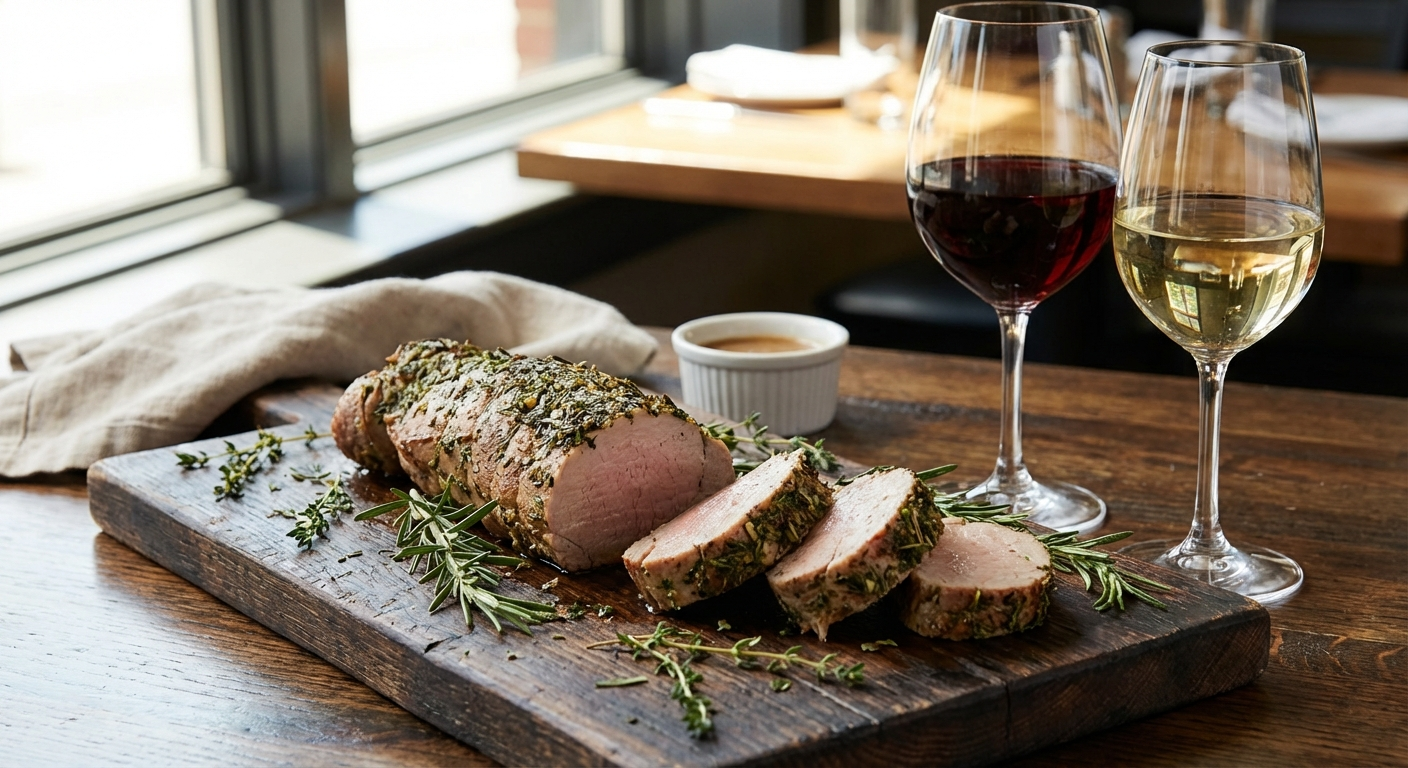
Pork tenderloin is the most misunderstood cut in the kitchen when it comes to wine pairing. It is the leanest, most tender muscle on the pig — basically the filet mignon of pork — and that leanness is exactly what makes pairing tricky. Unlike a fatty pork shoulder or a well-marbled chop, tenderloin has almost no intramuscular fat to buffer strong tannins or heavy oak. Choose wrong and the wine steamrolls the meat. Choose right and you get one of the most elegant protein-wine combinations possible.
The key insight most pairing guides miss: pork tenderloin is a blank canvas. The cut itself has clean, subtle flavor — mild sweetness, gentle pork character, silky texture. That means the preparation, the sauce, the seasoning, and the cooking method drive the pairing far more than the protein itself. A mustard-crusted roasted tenderloin and a soy-glazed grilled tenderloin are completely different pairing targets despite being the same cut.
This guide gives you specific, actionable wine pairings for every common pork tenderloin preparation — with grape varieties, regions, price ranges, and the flavor logic that makes each match work.
Why Pork Tenderloin Needs a Different Approach
If you try to pair pork tenderloin the same way you pair pork chops or pork belly, you will consistently overshoot. The tenderloin is fundamentally different from other pork cuts in ways that directly affect wine selection.
Extreme leanness. Pork tenderloin has roughly 3 grams of fat per serving — less than a skinless chicken breast. Fat buffers tannin, and without it, even moderately tannic wines taste harsh and astringent against the meat. This eliminates most Cabernet Sauvignon, Syrah, and heavily oaked reds from consideration.
Subtle base flavor. The clean, mild taste of tenderloin means the wine cannot be a wallflower either. Neutral, characterless wines — cheap Pinot Grigio, bland Sauvignon Blanc — add nothing. You need wines with personality and aromatic complexity that bring something to the conversation without shouting over the meat.
Texture matters more than usual. Because the flavor is delicate, mouthfeel becomes the primary driver of the pairing experience. You want wines whose texture complements tenderloin's silky, almost buttery texture. Silky Pinot Noir, creamy Chardonnay, and mineral-driven whites all share that textural affinity.
Sauce dependency. With a ribeye or lamb shank, the protein flavor is strong enough to anchor any pairing. With tenderloin, the sauce or glaze is often the loudest flavor on the plate. Match the wine to the sauce, not the meat, and you will rarely go wrong.
Classic Roasted Pork Tenderloin: Herbs and Simple Seasoning
The most common preparation: tenderloin rubbed with olive oil, salt, pepper, garlic, and fresh herbs (rosemary, thyme, sage), then roasted at high heat until just pink in the center. This is the purest expression of the cut — clean pork flavor with herbal aromatics and a golden sear.
Best wine: Burgundy-style Pinot Noir
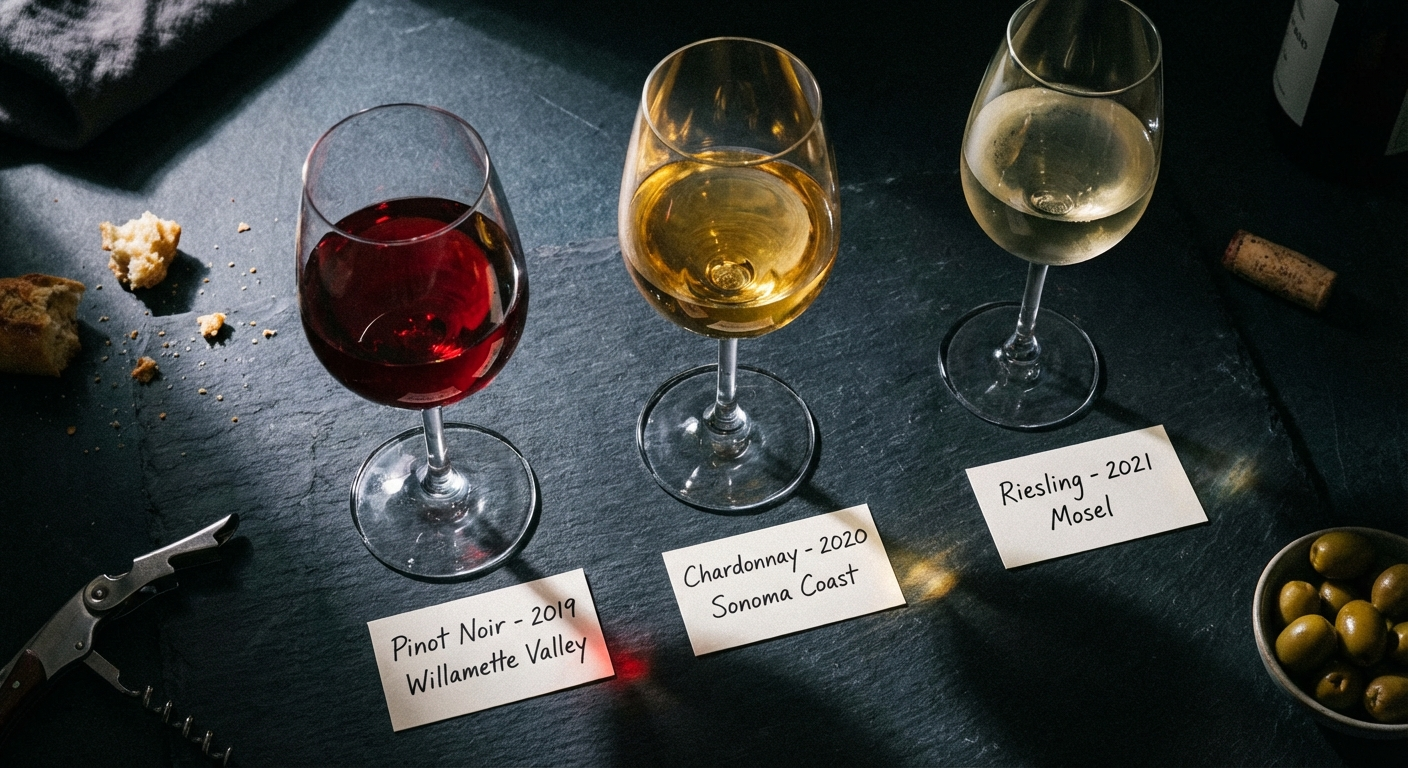
This is the pairing that sommeliers reach for first, and for good reason. Burgundy Pinot Noir — or high-quality Pinot from Oregon's Willamette Valley — has the silky tannin structure, bright acidity, and aromatic complexity to match roasted tenderloin without overwhelming it. The wine's cherry, earth, and mushroom notes complement the herbs and roasted meat beautifully.
Top picks:
- Louis Jadot Bourgogne Pinot Noir ($15-18) — Entry-level red Burgundy with pure cherry fruit, gentle earth, and soft tannins. A reliable everyday match for herb-roasted tenderloin.
- Domaine Drouhin Oregon Pinot Noir ($30-35) — Silky, aromatic, with cranberry and baking spice. The Willamette Valley bottling has a textural elegance that mirrors tenderloin's delicacy.
- Gevrey-Chambertin Village ($35-50) — If you want to splurge, village-level Gevrey adds depth — dark fruit, iron, forest floor — that elevates a simple roast to a special-occasion meal.
The herb connection
Fresh rosemary and thyme share aromatic compounds (terpenes) with Pinot Noir grapes grown in cooler climates. When you roast tenderloin with these herbs and pour a cool-climate Pinot, the herbal notes in the wine literally reinforce the herbal notes on the plate. This is not abstract food science — it is a pairing you taste immediately on the first bite-and-sip combination.
Mustard-Crusted Pork Tenderloin
Dijon mustard spread over the tenderloin before roasting creates a tangy, golden crust that changes the pairing equation significantly. The mustard's acidity, heat, and sharpness become the dominant flavor, pulling the dish away from gentle herb territory into something more assertive.
Best wine: Sancerre or Loire Valley Sauvignon Blanc
Mustard and Sauvignon Blanc is one of the great classic pairings in French cuisine, and it works beautifully with tenderloin. Sancerre's razor-sharp acidity matches the mustard's tang, its herbaceous character (cut grass, gooseberry) complements Dijon's complexity, and its lean body respects the tenderloin's delicacy. This is a white-wine-with-pork pairing that converts even committed red-wine drinkers.
Top picks:
- Domaine Vacheron Sancerre ($25-30) — Textbook Sancerre: flinty minerality, citrus, and a clean finish that resets the palate after each bite of rich mustard crust.
- Pascal Jolivet Pouilly-Fumé ($22-28) — Pouilly-Fumé adds a smoky, gunflint note that pairs particularly well if you add whole-grain mustard to the crust.
- Lucien Crochet Sancerre ($28-35) — Rounder and more textured than most Sancerre, making it work when the mustard crust includes breadcrumbs or panko for extra richness.
Why not Chardonnay here?
Oaked Chardonnay's richness clashes with mustard's acidity — the butter and vanilla fight the tang instead of complementing it. Unoaked Chablis can work, but it lacks the herbaceous character that makes Sauvignon Blanc such a natural fit. For mustard-crusted preparations, Loire Valley whites are nearly always the right call.
Bacon-Wrapped Pork Tenderloin
Wrapping tenderloin in bacon fundamentally transforms the pairing by adding fat, smoke, salt, and richness that the lean cut inherently lacks. The bacon essentially upgrades the tenderloin from a delicate protein to a rich, savory one — and the wine needs to follow.
Best wine: Côtes du Rhône or Southern Rhône blend
Grenache-based blends from the Southern Rhône have the warmth, spice, and fruit intensity to match bacon's smoky richness while keeping enough freshness to prevent palate fatigue. The peppery, garrigue-scented character of a good Côtes du Rhône mirrors the savory, herbal notes of quality bacon, creating a pairing that feels inevitable.
Top picks:
- E. Guigal Côtes du Rhône Rouge ($12-15) — The benchmark value Southern Rhône red. Ripe raspberry, white pepper, and dried herbs at a price that makes it a weeknight staple. Consistently excellent with bacon-wrapped pork.
- Château de Beaucastel Coudoulet de Beaucastel ($22-28) — Baby Châteauneuf-du-Pape without the price tag. More depth and complexity than basic Côtes du Rhône, with meaty, smoky undertones that harmonize with rendered bacon fat.
- Domaine Santa Duc Côtes du Rhône ($14-18) — Grenache-dominant with concentrated dark fruit and licorice. Works especially well when the bacon-wrapped tenderloin includes a maple or brown sugar glaze.
Maple or Brown Sugar Glazed Pork Tenderloin
Sweet glazes — maple syrup, brown sugar, honey, or apple cider reduction — push the tenderloin firmly into territory that demands wines with residual sweetness or ripe fruit character. A bone-dry wine tastes sour and hollow against a sweet glaze. You need something that bridges the gap.
Best wine: Off-dry Riesling (Spätlese or Kabinett)
German Riesling with a touch of residual sweetness is the single best pairing category for glazed pork tenderloin. The wine's sweetness matches the glaze without competing, its electric acidity cuts through the sugar to prevent cloying, and its low alcohol (7-10%) keeps the entire pairing light and refreshing despite the sweetness on both sides of the equation.
Top picks:
- Dr. Loosen Blue Slate Riesling Kabinett ($15-18) — Peach, green apple, and slate minerality with just enough sweetness to complement a maple glaze. The acidity is a scalpel.
- Joh. Jos. Prüm Wehlener Sonnenuhr Spätlese ($30-38) — If you want to see what transcendent pork-and-Riesling pairing looks like, this is it. Honeyed stone fruit, crystalline acidity, and a finish that goes on forever. Special-occasion worthy.
- Schloss Vollrads Riesling Kabinett ($16-20) — Rheingau style: slightly drier and more structured than Mosel Kabinett, with citrus and white peach. Excellent with apple cider glaze.
The sweetness balancing act
The rule is simple: the wine should be at least as sweet as the food, or the wine tastes thin and acidic by comparison. But you do not want the wine significantly sweeter than the food either, or the pairing becomes dessert. Kabinett and Spätlese Riesling sit in the perfect range for most pork tenderloin glazes — just sweet enough to match without going over.
Grilled Pork Tenderloin With Chimichurri or Salsa Verde
Grilling adds char and smokiness, while herbaceous sauces like chimichurri (parsley, oregano, garlic, red pepper flake, olive oil, vinegar) or Italian salsa verde create a bright, acidic, herb-forward flavor profile. This combination demands a wine that can handle char, herbs, and acidity simultaneously.
Best wine: Argentine Malbec (lighter styles) or Albariño
For a red, choose a lighter-styled Argentine Malbec — not the heavily extracted, oaky ones, but the bright, fruit-forward bottlings that have emerged from higher-altitude vineyards. Their plum and violet character meets the char, while their moderate tannins handle the grilled exterior without clashing with the lean interior.
For a white, Albariño from Rías Baixas in Spain is spectacular. Its saline minerality, stone fruit, and crisp acidity mirror chimichurri's vinegar brightness and complement the herbaceous complexity.
Top picks:
- Catena Vista Flores Malbec ($12-15) — Bright, fresh, and fruit-forward rather than inky and heavy. Plum and lavender notes that enhance grilled pork without burying it.
- Zuccardi Serie A Malbec ($14-18) — Violet, blackberry, and a hint of spice with medium body. Works perfectly with chimichurri's garlic and red pepper bite.
- Do Ferreiro Albariño ($18-22) — The gold standard for Rías Baixas Albariño. Peach, lemon zest, and Atlantic salinity that cuts through olive oil richness while complementing the herbs in salsa verde.
Asian-Inspired Pork Tenderloin: Soy, Ginger, and Five-Spice
Tenderloin marinated in soy sauce, fresh ginger, garlic, five-spice powder, and sesame oil presents a unique pairing challenge. The umami from soy, the heat from ginger, and the warm spice complexity demand wines that can navigate multiple flavor dimensions at once.
Best wine: Gewürztraminer (Alsace) or off-dry Chenin Blanc
Alsatian Gewürztraminer is the classic Asian-cuisine wine for a reason: its intense lychee, rose petal, and ginger aromatics echo the spice profile of the dish, while its slight residual sweetness counters soy sauce's saltiness. The wine literally smells like the food, creating an immersive pairing experience.
Top picks:
- Trimbach Gewürztraminer ($18-22) — Drier and more structured than most Gewürz, with rose petal and ginger. Trimbach's restraint keeps the pairing from becoming overwhelming with a five-spice rub.
- Zind-Humbrecht Gewürztraminer ($25-32) — Richer, more opulent style with lychee, honey, and smoky spice. Extraordinary with soy-ginger glaze and sesame garnish.
- Domaine Huet Vouvray Demi-Sec ($22-28) — Off-dry Chenin Blanc with quince, honey, and lanolin. A versatile alternative to Gewürztraminer that works across all Asian-inspired preparations.
Stuffed Pork Tenderloin: Spinach, Cheese, and Sun-Dried Tomato
Butterflied and stuffed tenderloin adds richness and complexity that plain-roasted tenderloin lacks. Common stuffings — spinach and feta, prosciutto and provolone, sun-dried tomato and goat cheese — push the dish toward Mediterranean flavor territory and allow for more full-bodied wine choices.
Best wine: Barbera d'Alba or Vermentino
Italian wines excel with stuffed tenderloin because the stuffing ingredients are Italian in spirit. Barbera d'Alba — with its bright cherry acidity, low tannins, and food-friendly structure — cuts through cheese richness while its Italian character harmonizes with Mediterranean fillings. For a white, Vermentino brings herbal, citrus, and almond notes that complement spinach and goat cheese beautifully.
Top picks:
- Giacomo Conterno Barbera d'Alba ($20-25) — Bright, vibrant cherry with balancing acidity. Outstanding with prosciutto-and-provolone stuffed tenderloin.
- Vietti Barbera d'Asti Tre Vigne ($18-22) — Slightly richer style with dark cherry and spice. Excellent when the stuffing includes sun-dried tomato and garlic.
- Argiolas Costamolino Vermentino ($12-15) — Sardinian Vermentino with lemon, white flower, and almond. The perfect white for spinach-and-feta stuffed tenderloin.
Common Mistakes to Avoid
Reaching for Cabernet Sauvignon. This is the most common error. Cabernet's heavy tannins and oak overwhelm pork tenderloin completely. Even a mild, fruit-forward Cab will taste overly aggressive against this lean, delicate cut. Save the Cabernet for a ribeye or lamb.
Choosing wine based on "pork" alone. If you search "wine with pork" you get Pinot Noir every time. But Pinot Noir with a soy-ginger glazed tenderloin is mediocre, while Gewürztraminer is transcendent. The preparation defines the pairing, not the protein. Always read the recipe before choosing the bottle.
Forgetting about temperature. Pork tenderloin is best served at a juicy 140-145°F with a pink center. Overcooked tenderloin becomes dry and chalky, which makes tannic red wines taste even more astringent. If you accidentally overcook the pork, pivot to a richer white wine (oaked Chardonnay, Viognier) whose body and glycerol compensate for the lost moisture.
Overcomplicating it. When in doubt with any pork tenderloin preparation, reach for Pinot Noir or unoaked Chardonnay. They are not always the perfect match, but they are never a bad match. Start there and refine based on the sauce.
The Bottom Line
Pork tenderloin rewards precision in wine pairing more than almost any other protein. Its leanness and subtlety mean the wine choice actually matters — you feel the difference between a good match and a bad one more acutely than with fattier, more forgiving cuts. The cheat code is simple: ignore the meat, read the sauce. Match your wine to the dominant flavor on the plate — herbs, mustard, glaze, spice, smoke — and the tenderloin's clean, silky protein will bridge everything together.
Start with the preparation, work through the sauce, then choose a wine with the right weight, acidity, and flavor profile to complement both. That is how you turn a $6-per-pound pork tenderloin into a pairing that rivals any steakhouse experience.
Frequently Asked Questions
What is the best wine to pair with pork tenderloin?
Burgundy-style Pinot Noir is the most versatile choice — its silky tannins and bright acidity complement pork tenderloin across most preparations. For herb-roasted tenderloin specifically, Oregon or Burgundy Pinot Noir excels. However, the sauce matters more than the meat: mustard calls for Sancerre, sweet glazes need off-dry Riesling, and Asian-spiced preparations pair best with Gewürztraminer.
Should you drink red or white wine with pork tenderloin?
Both work beautifully depending on preparation. Classic roasted tenderloin pairs well with medium-bodied reds like Pinot Noir or Barbera. Mustard-crusted, grilled with chimichurri, or Asian-inspired preparations often pair better with whites like Sancerre, Albariño, or Gewürztraminer. The key is matching the wine weight to the dish weight.
Why does Cabernet Sauvignon not work with pork tenderloin?
Pork tenderloin is extremely lean (about 3 grams of fat per serving), and fat buffers tannin. Without that fat buffer, Cabernet Sauvignon's heavy tannins and oak taste harsh and astringent against the delicate meat. Stick with medium-bodied, lower-tannin reds like Pinot Noir, Beaujolais, or Barbera instead.
What wine goes with maple glazed pork tenderloin?
Off-dry German Riesling — specifically Kabinett or Spätlese — is the ideal match. The wine's residual sweetness matches the glaze without competing, while its high acidity cuts through the sugar to keep the pairing refreshing. Dr. Loosen Blue Slate Kabinett ($15-18) is an excellent starting point.
What white wine pairs best with pork tenderloin?
It depends on the preparation. Sancerre (Sauvignon Blanc) for mustard-crusted, Albariño for grilled with chimichurri, Gewürztraminer for Asian-spiced, Vermentino for Mediterranean-stuffed, and off-dry Riesling for sweet glazes. For a single versatile white, unoaked Chardonnay (Chablis-style) works across most preparations.
More Pairing Guides
Best Bourbon for Pork Ribs vs Beef Ribs: Complete Pairing Guide
Pork ribs and beef ribs aren't interchangeable when it comes to bourbon pairing. Fat content, smoke intensity, and flavor depth determine which bottle works best. Here's the complete breakdown.
12 min readBest Bourbon for BBQ Ribs: 7 Perfect Pairings (Tasted & Ranked)
Not every bourbon works with every style of ribs. Here are 7 bourbon pairings ranked by rib type, sauce style, and smoke profile — with specific bottles tested against real BBQ.
10 min readBest Wine with Tri-Tip: Expert Pairing Guide
Tri-tip demands wines with enough structure to match its intensity while complementing its smoky, savory profile.