Best Wine with Steak: A Sommelier's Cut-by-Cut Pairing Guide
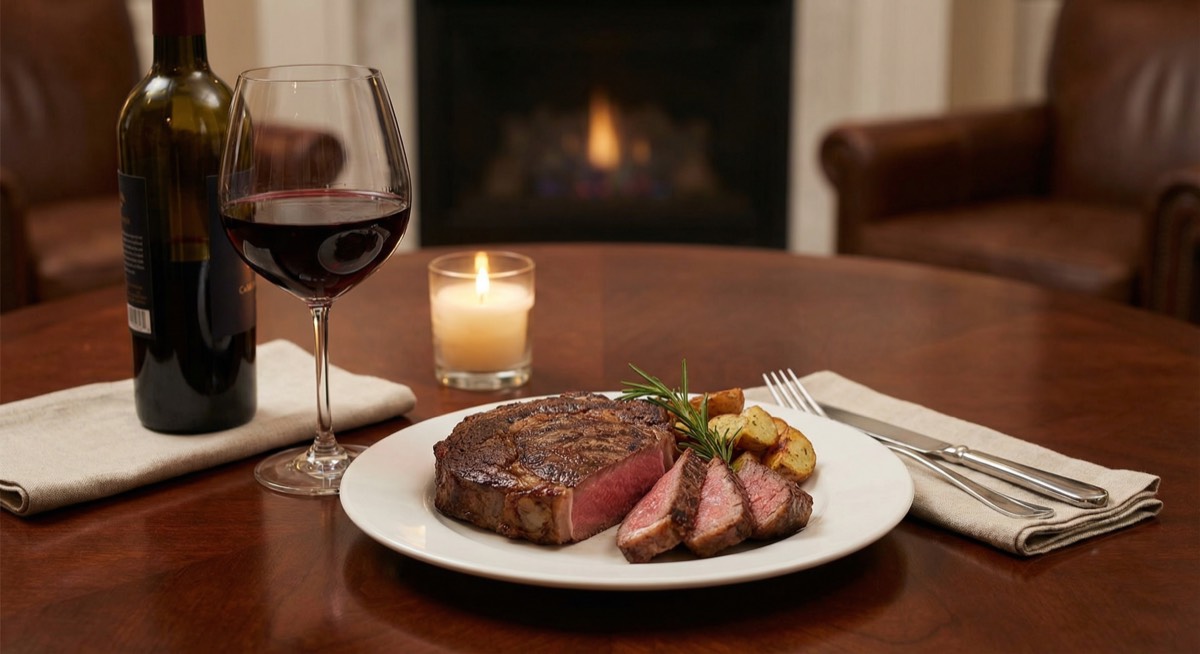
I've spent fifteen years opening bottles tableside at steakhouses, and if there's one question I hear more than any other, it's this: "What's the best wine with steak?"
The honest answer? It depends on the cut, the preparation, and your personal taste. But that's exactly what makes steak and wine pairing so rewarding—there's a perfect match for every plate and every palate. Whether you're grilling a thick-cut ribeye in the backyard or treating yourself to Japanese A5 wagyu at home, the right bottle transforms a great meal into an unforgettable one.
This guide walks you through everything: the science behind why wine and steak pair so well, the red wine fundamentals you need to know, specific recommendations for every major cut, surprising white wine options, and bottles at every price point. No pretension, no gatekeeping—just practical advice from someone who genuinely loves both.
Why Wine and Steak Work So Well Together
The pairing of wine and steak isn't just tradition—it's biochemistry. When you take a bite of a beautifully seared steak, the proteins and fats coat your palate. Red wine's tannins act like a scrub brush, binding to those proteins and cutting through the richness to reset your mouth for the next bite. It's a cycle of indulgence and refreshment that keeps every forkful tasting as good as the first.
There's also the flavor dimension. The Maillard reaction—that gorgeous crust you get from a screaming-hot sear—creates hundreds of aromatic compounds. Many of those same compounds develop during the aging of wine in oak barrels. When you pair a char-crusted steak with a barrel-aged red, you're layering complementary flavors on top of each other: smoke meets toast, caramelized meat meets vanilla and spice.
Fat plays a crucial role too. Intramuscular fat (marbling) in a well-graded steak literally softens the perception of tannins in wine. That's why a tannic Cabernet Sauvignon that might taste harsh on its own becomes velvety and smooth alongside a marbled ribeye. The fat and the tannin need each other.
Finally, there's the umami factor. Steak is one of the most umami-rich foods we eat, and umami amplifies the fruit character in wine while softening bitterness. It's a synergy you simply don't get with most other proteins.
Red Wine Fundamentals: Tannins, Body, and Acidity
Before we get into specific pairings, let's talk about the three characteristics that matter most when matching red wine to steak. You don't need to become a sommelier, but understanding these basics will make you a dramatically better pairer overnight.
Tannins
Tannins are polyphenols found in grape skins, seeds, and stems, as well as in oak barrels. They create that dry, grippy sensation on your tongue and gums—think of the feeling you get from strong black tea. In steak pairing, tannins are your best friend. They bind to the proteins in meat, which is why a high-tannin wine like Cabernet Sauvignon or Nebbiolo feels so much smoother with steak than without it.
The rule of thumb: The fattier and more marbled the cut, the more tannin the wine can (and should) have. Lean cuts call for softer, lower-tannin wines.
Body
Body refers to the weight and texture of wine in your mouth—think skim milk versus whole milk versus cream. Full-bodied wines (Cabernet, Malbec, Syrah) stand up to rich, intensely flavored steaks. Medium-bodied wines (Pinot Noir, Sangiovese, Tempranillo) shine with leaner or more delicately flavored cuts. Pairing a light-bodied wine with a fatty steak is like whispering in a hurricane—the wine gets lost.
Acidity
Acidity in wine acts like a squeeze of lemon: it brightens flavors and cuts through richness. High-acid wines (Sangiovese, Barbera, Pinot Noir) are exceptional with steak because they cleanse your palate between bites, preventing flavor fatigue. If you find that rich, buttery steaks start tasting "heavy" halfway through, a wine with more acidity will solve that problem instantly.
The interplay of these three elements—tannin, body, and acidity—is what determines whether a wine complements or competes with your steak. Keep them in mind as we dive into cut-by-cut pairings.
Best Wine Pairings by Steak Cut
Different cuts have different fat content, texture, and flavor intensity. Treating them all the same is the most common pairing mistake I see. Here's how to match wine to the specific steak on your plate.
Ribeye → Cabernet Sauvignon
The ribeye is the king of marbling. All that intramuscular fat delivers incredible flavor and richness, and it demands a wine with the structure to match. Cabernet Sauvignon—especially from Napa Valley, Paso Robles, or Coonawarra—is the classic choice for good reason. Its firm tannins latch onto the fat, its full body matches the steak's intensity, and its dark fruit and cedar notes complement the char beautifully.
Also try: Napa Cabernet blends (Meritage), Australian Shiraz, or a bold Priorat from Spain. If you like your ribeye with a peppercorn crust, reach for a Northern Rhône Syrah—the peppery notes in the wine mirror the seasoning perfectly.
Filet Mignon → Pinot Noir
The filet mignon is the tenderest cut on the animal, but it's also one of the leanest. That means big, tannic wines will bulldoze its delicate, buttery flavor. This is where Pinot Noir shines. Its silky texture, moderate tannins, and bright red fruit complement the filet's subtlety without overwhelming it.
Best regions: Burgundy (if you're splurging), Oregon's Willamette Valley (excellent value), or New Zealand's Central Otago (vibrant and fruit-forward). A good village-level Burgundy with a filet wrapped in bacon is one of the great pleasures of the table.
Also try: Dolcetto, Beaujolais cru (Morgon or Moulin-à-Vent), or a lighter Merlot from the Right Bank of Bordeaux.
New York Strip → Malbec
The New York strip sits in the sweet spot: well-marbled but with a firmer, meatier chew than ribeye, and more flavor intensity than filet. Malbec from Mendoza, Argentina is a phenomenal match. It brings plush dark fruit, moderate-to-firm tannins, and a velvety texture that mirrors the strip's balance of fat and muscle.
Why Malbec works so well: Argentine Malbec tends to have rounder, softer tannins than Cabernet, which suits the strip's slightly lower fat content. The wine's plum and violet notes add a layer of complexity without fighting the beef.
Also try: Zinfandel (especially old-vine), Montepulciano d'Abruzzo, or a Left Bank Bordeaux with some age on it.
Wagyu & A5 Wagyu → Burgundy (Pinot Noir)
Here's where most people go wrong. They see the incredible marbling in wagyu beef—especially Japanese A5 wagyu—and reach for the biggest, most tannic wine they can find. Don't. A5 wagyu is so rich, so buttery, that it's typically served in small portions. The flavor is delicate and almost sweet, nothing like a conventional steak.
Red Burgundy (Pinot Noir) is the ideal partner. Its high acidity cuts through the extraordinary richness, its elegant fruit doesn't mask the beef's nuanced flavor, and its silky texture complements rather than competes. A premier cru Burgundy from Volnay or Chambolle-Musigny with a few slices of A5 wagyu is transcendent.
Also try: Champagne (yes, seriously—the bubbles and acidity are incredible fat-cutters), aged Barolo (its tannins will have softened), or a high-quality Grüner Veltliner if you want to go white.
T-Bone & Porterhouse → Chianti Classico or Super Tuscan
The T-bone and porterhouse give you two steaks in one: strip on one side, tenderloin on the other. You need a wine that can handle both. Italian Sangiovese-based wines thread this needle beautifully. Chianti Classico Riserva offers firm-but-not-aggressive tannins, vibrant acidity, and savory cherry-herb flavors that feel like they were born for the bistecca alla fiorentina.
Also try: Brunello di Montalcino, Super Tuscans (Sangiovese-Cabernet blends), or a structured Rioja Reserva.
Flank & Skirt Steak → Tempranillo or Côtes du Rhône
Flank and skirt steaks are lean, intensely beefy, and often served with bold marinades or chimichurri. Medium-bodied reds with good acidity work best here. Tempranillo (Rioja Crianza or Reserva) brings leather, tobacco, and red fruit that complement the char. A Côtes du Rhône blend (Grenache-Syrah-Mourvèdre) offers juicy, peppery fruit that stands up to spice.
Also try: Garnacha, Nero d'Avola, or a lighter Zinfandel.
White Wine Pairings That Actually Work
I know what you're thinking: white wine with steak? Hear me out. While red wine is the default, certain white wines can be spectacular with the right cut and preparation. The key is choosing whites with enough body and texture to stand alongside beef.
Oaked Chardonnay
A full-bodied, barrel-fermented Chardonnay from Burgundy (white) or California has the weight, richness, and buttery notes to complement a filet mignon or a steak finished with compound butter. The oak-derived vanilla and toast echo the flavors from the grill. Look for wines from Meursault, Puligny-Montrachet, or Sonoma Coast.
Grüner Veltliner
Austria's signature white grape produces wines with a unique white pepper spice, herbal complexity, and zesty acidity. A full-bodied Grüner Veltliner (look for "Smaragd" from the Wachau) is surprisingly excellent with wagyu—the pepper mirrors seasoning, and the acidity cuts fat like a knife.
Champagne & Sparkling Wine
This might sound extravagant, but Champagne with steak is one of the great underrated pairings. The high acidity and effervescence scrub your palate clean between bites, making rich cuts taste lighter. A vintage Champagne or blanc de noirs (made from Pinot Noir) has enough body to stand up to beef. Try it with wagyu or a butter-basted filet and you'll never look back.
When to Choose White Over Red
Consider white wine when: the steak is prepared with cream or butter sauces, the weather is hot and you want something refreshing, you're serving a lighter cut like filet, or you simply prefer white wine. There are no rules here that trump your own enjoyment.
Budget Picks: Best Wine with Steak Under $25
You don't need to spend a fortune to drink well with steak. Some of my favorite weeknight pairings come from bottles under $25. Here are reliable options that punch well above their price.
For Ribeye & Rich Cuts ($15–$25)
- Bogle Cabernet Sauvignon (~$12) – Honest, full-bodied Cab with dark fruit and soft tannins. Overdelivers at this price.
- Josh Cellars Cabernet Sauvignon (~$14) – Smooth, approachable, and widely available. A safe crowd-pleaser.
- Bread & Butter Cabernet Sauvignon (~$18) – Rich and velvety with chocolate and vanilla notes.
- Columbia Crest H3 Cabernet (~$15) – Washington State Cab that competes with wines twice its price.
For Strip & All-Purpose Pairing ($10–$20)
- Catena Malbec (~$16) – The benchmark for affordable Argentine Malbec. Plush, fruity, and food-friendly.
- Alamos Malbec (~$10) – A step down in complexity but still a solid steak wine at a steal.
- Malbec de Garage Malbec (~$18) – Funkier, more interesting than the big brands. Great with a charcoal-grilled strip.
- Trivento Reserve Malbec (~$12) – Dark fruit, chocolate, and smoke. Hard to beat at this price.
For Filet & Lean Cuts ($15–$25)
- Meiomi Pinot Noir (~$20) – Lush and fruit-forward. Not subtle, but delicious with filet.
- A to Z Pinot Noir (~$18) – Oregon Pinot with good structure and bright acidity.
- Louis Jadot Bourgogne Pinot Noir (~$18) – Real Burgundy at an entry-level price. Earthy and elegant.
- Erath Pinot Noir (~$16) – Reliable Willamette Valley Pinot with cherry and spice.
Wild Cards Under $20
- Bodegas Lan Rioja Crianza (~$14) – Leather, cherry, and vanilla from oak aging. Fantastic with T-bone.
- Ruffino Chianti Classico Riserva (~$20) – Savory, acidic, and built for grilled meat.
- Penfolds Koonunga Hill Shiraz-Cabernet (~$12) – Aussie blend with pepper and dark fruit.
Splurge Bottles: When the Occasion Calls for It
Sometimes you want the full experience—a prime dry-aged steak, a perfectly set table, and a bottle that rises to the occasion. These are the wines worth saving for.
$50–$100 Range
- Caymus Cabernet Sauvignon, Napa Valley (~$80) – The quintessential Napa Cab. Rich, opulent, and tailor-made for ribeye.
- Catena Zapata Malbec Argentino (~$60) – High-altitude Malbec with incredible depth and finesse.
- Domaine Drouhin Pinot Noir, Dundee Hills (~$50) – Burgundian elegance from Oregon soil. Stunning with filet.
- Tignanello (Antinori) (~$90) – The original Super Tuscan. Sangiovese-Cab blend that's iconic with porterhouse.
$100+ Special Occasion
- Opus One, Napa Valley (~$400) – The Bordeaux-Napa collaboration that defines luxury Cabernet.
- Chambolle-Musigny Premier Cru (~$120–$200) – Silky Burgundy Pinot Noir that elevates A5 wagyu to art.
- Penfolds Grange (~$500+) – Australia's most celebrated Shiraz. Monumental with a bone-in ribeye.
- Barolo Riserva (Giacomo Conterno or Bruno Giacosa) (~$150–$300) – Aged Nebbiolo with rose petal, tar, and truffle. Pair with dry-aged strip.
- Vintage Champagne (Krug or Bollinger R.D.) (~$200+) – The ultimate surprise pairing with wagyu. Trust me.
Common Steak and Wine Pairing Mistakes
After years of watching people pair wine with steak, I've seen the same mistakes over and over. Avoid these, and you're already ahead of 90% of diners.
Mistake #1: Ignoring the Cut
Reaching for Cabernet Sauvignon regardless of what's on your plate is the most common error. A massive Napa Cab will steamroll a delicate filet mignon. Always match the wine's intensity to the cut's richness and flavor.
Mistake #2: Serving Wine Too Warm
Most people serve red wine too warm. At true room temperature (especially in warm climates), red wine tastes flabby and alcoholic. The ideal serving temperature for full-bodied reds is 60–65°F (15–18°C). Pop the bottle in the fridge for 15–20 minutes before serving—it makes a remarkable difference.
Mistake #3: Going Too Big with Wagyu
As I mentioned above, high-grade wagyu needs finesse, not firepower. Save the blockbuster Cabs for conventional steaks. With wagyu, think elegance: Burgundy, Champagne, or aged Nebbiolo.
Mistake #4: Forgetting About Sauce and Seasoning
A steak with chimichurri needs a different wine than a steak with béarnaise. Herb-heavy preparations love Sangiovese or Tempranillo. Cream and butter sauces work with oaked Chardonnay or softer Merlot. Peppercorn crusts call for Syrah. Always factor in what's on top of the steak, not just the steak itself.
Mistake #5: Overthinking It
Here's the most important thing I can tell you: the best wine with steak is the wine you enjoy drinking. These guidelines will help you find combinations that sing, but they're guidelines, not laws. If you love Riesling with ribeye, drink Riesling with ribeye. Life's too short for wine snobbery.
Quick-Reference Pairing Chart
| Steak Cut | Primary Wine Pick | Runner-Up | Budget Option |
|---|---|---|---|
| Ribeye | Cabernet Sauvignon | Shiraz / Syrah | Bogle Cab (~$12) |
| Filet Mignon | Pinot Noir | Merlot | A to Z Pinot (~$18) |
| New York Strip | Malbec | Zinfandel | Catena Malbec (~$16) |
| Wagyu / A5 | Burgundy Pinot Noir | Champagne | Louis Jadot Bourgogne (~$18) |
| T-Bone / Porterhouse | Chianti Classico | Super Tuscan | Ruffino Chianti (~$20) |
| Flank / Skirt | Tempranillo | Côtes du Rhône | Lan Rioja Crianza (~$14) |
Final Thoughts: Trust Your Palate
The world of steak and wine pairing is vast, and I could talk about it all day (my friends can confirm this). But if you take just three things from this guide, let it be these:
- Match intensity to intensity. Rich, fatty cuts get big, tannic wines. Lean, delicate cuts get lighter, more elegant wines.
- Acidity is your secret weapon. When in doubt, choose the wine with more acidity—it will always make food taste better.
- Don't forget the prep. The sauce, the seasoning, and the cooking method matter as much as the cut itself.
Now fire up the grill, pull a cork, and put these pairings to the test. The best way to learn about wine and steak is the most enjoyable way: eating and drinking your way through the possibilities.
Want to learn more about the cuts mentioned in this guide? Visit MeatCutGuide.com for detailed breakdowns of every beef cut, or explore our Wagyu Handbook if you're curious about the world of Japanese beef.
Frequently Asked Questions
What is the best wine to pair with steak?
Cabernet Sauvignon is the most versatile steak wine thanks to its firm tannins and full body, but the best choice depends on the cut. Ribeye pairs best with Cabernet, filet mignon with Pinot Noir, New York strip with Malbec, and wagyu with Burgundy Pinot Noir or Champagne.
Can you drink white wine with steak?
Yes. Full-bodied oaked Chardonnay, Grüner Veltliner, and Champagne all pair well with steak—especially leaner cuts like filet mignon or rich cuts like wagyu where the acidity and effervescence cut through the fat.
What wine goes with ribeye steak?
Cabernet Sauvignon is the classic match for ribeye. The wine's firm tannins bind to the ribeye's abundant fat, while its full body matches the cut's intensity. Australian Shiraz and bold Spanish reds from Priorat are excellent alternatives.
What is the best cheap wine for steak?
Catena Malbec (~$16), Bogle Cabernet Sauvignon (~$12), and A to Z Pinot Noir (~$18) are all reliable, widely available options that pair beautifully with steak without breaking the bank.
What wine pairs with wagyu beef?
Burgundy Pinot Noir is the ideal match for wagyu and A5 wagyu. Its high acidity cuts through the extraordinary richness, while its elegant fruit complements the beef's delicate, buttery flavor. Vintage Champagne is another excellent choice.
Does the steak sauce affect the wine pairing?
Absolutely. Herb-heavy preparations like chimichurri pair well with Sangiovese or Tempranillo. Cream and butter sauces work with oaked Chardonnay or Merlot. Peppercorn crusts are ideal with Syrah. Always consider the complete dish, not just the cut.
More Pairing Guides
Best Bourbon for Pork Ribs vs Beef Ribs: Complete Pairing Guide
Pork ribs and beef ribs aren't interchangeable when it comes to bourbon pairing. Fat content, smoke intensity, and flavor depth determine which bottle works best. Here's the complete breakdown.
12 min readBest Bourbon for BBQ Ribs: 7 Perfect Pairings (Tasted & Ranked)
Not every bourbon works with every style of ribs. Here are 7 bourbon pairings ranked by rib type, sauce style, and smoke profile — with specific bottles tested against real BBQ.
10 min readBest Wine with Tri-Tip: Expert Pairing Guide
Tri-tip demands wines with enough structure to match its intensity while complementing its smoky, savory profile.