Best Wine with Venison: A Complete Pairing Guide by Cut and Preparation
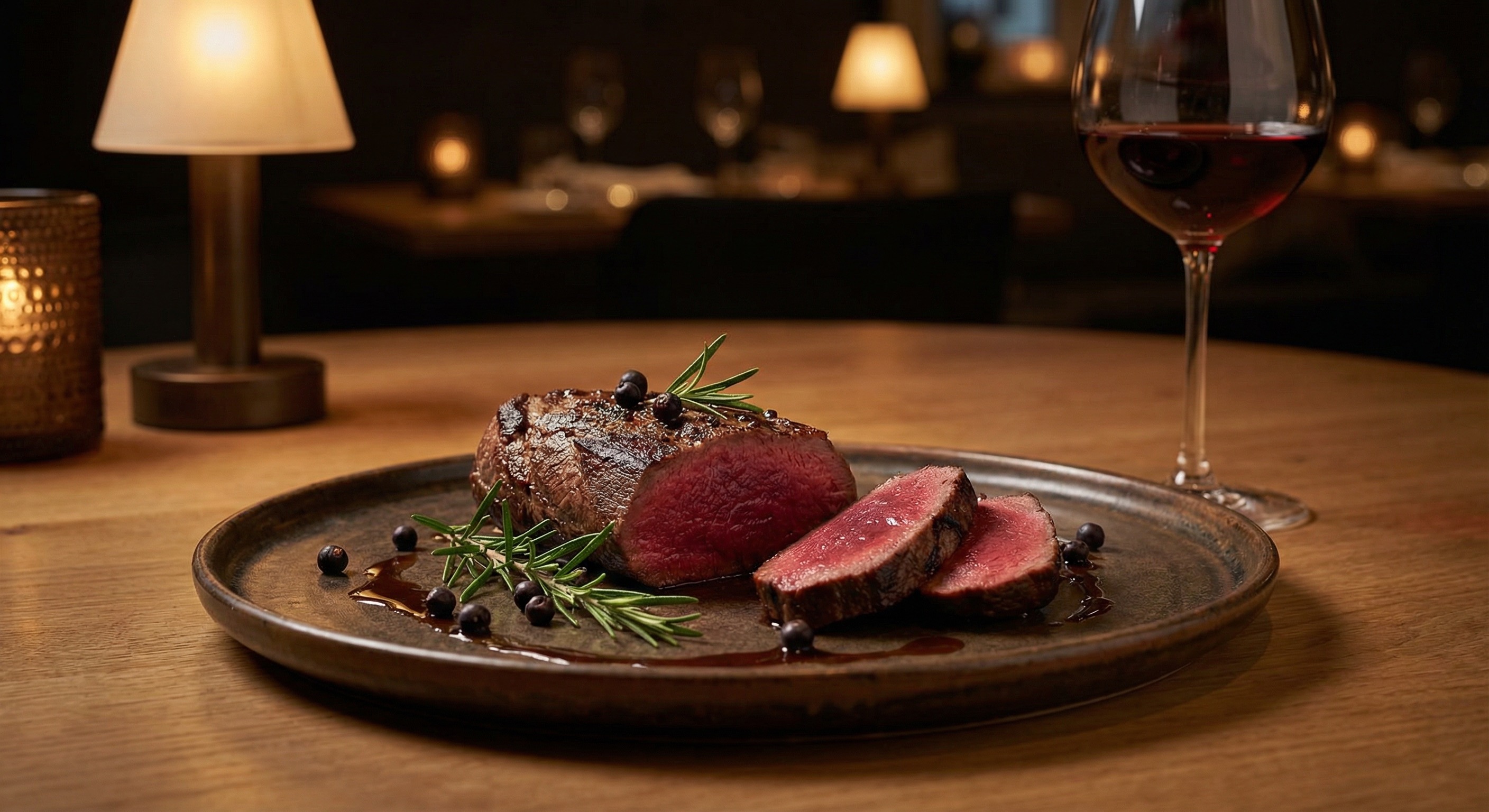
Venison sits in a category all its own. It's leaner than beef, gamier than lamb, and more intensely flavored than either — with an iron-rich, mineral depth that comes from the animal's wild diet and active life. Whether you're working with farm-raised deer, wild elk, or New Zealand red deer, venison demands wines that can meet its intensity without overwhelming its elegance.
The key to pairing wine with venison is understanding that lean doesn't mean light. Venison has almost no intramural fat, which means the flavors hit you directly — concentrated, savory, and slightly wild. There's no marbling to buffer the experience. This intensity rewards wines with earth, structure, and dark fruit, while punishing anything too jammy, too oaky, or too soft.
Why Venison and Wine Are Natural Partners
Three characteristics make venison one of the best proteins for wine pairing:
Iron-rich minerality. Venison contains significantly more iron than beef — roughly 3.4mg per 100g compared to beef's 2.6mg. That iron gives the meat a distinctive mineral, almost blood-like depth that resonates with wines grown on iron-rich soils. This is why Old World wines from volcanic or schist-heavy terroirs (think Northern Rhône, Priorat, or Etna) create such natural harmonies with venison.
Lean texture demands acidity. Without the fat lubrication of well-marbled beef, venison's lean texture can feel dry if your wine doesn't bring enough acidity. High-acid wines — Pinot Noir, Nebbiolo, Sangiovese — keep your palate refreshed between bites and prevent the lean meat from feeling austere. Conversely, low-acid, high-alcohol wines (think Paso Robles Zinfandel or jammy Aussie Shiraz) will make venison feel even drier.
Gamey depth loves earthy wines. The gamey quality that defines venison — that feral, forest-floor, slightly musky note — is the same family of flavors found in aged Burgundy, old Barolo, and traditional Rioja. When wine and meat share these earthy, savory characteristics, the pairing transcends matching and becomes something almost symphonic.
Best Wine with Roasted Venison Loin
Venison loin — the tenderloin or backstrap — is the prime cut. Cooked to medium-rare (130°F internal), it's supremely tender, deeply flavored, and remarkably elegant. This is venison at its most refined, and it deserves wines of equal sophistication.
Top pick: Red Burgundy (Pinot Noir). Premier Cru Burgundy is venison loin's soulmate. The wine's cherry and raspberry fruit, truffle-earth undertones, and silky tannins create a pairing that feels inevitable rather than engineered. Burgundy's high acidity keeps the lean meat fresh, while its earthy complexity harmonizes with the gamey depth. A Gevrey-Chambertin or Nuits-Saint-Georges has the structure for loin's intensity without overwhelming its elegance. This is the pairing that Burgundian hunters have perfected over centuries.
Runner-up: Barbaresco (Nebbiolo). If Burgundy is the classic choice, Barbaresco is the adventurous one. Nebbiolo's rose petal aromatics, sour cherry acidity, and firm tannins create a structured, aromatic pairing that elevates venison loin to special-occasion territory. The wine's tar and truffle notes echo the meat's earthiness, while its high acidity keeps the lean protein singing. Look for producers like Produttori del Barbaresco, Bruno Giacosa, or Roagna.
Wildcard: Oregon Pinot Noir (Dundee Hills). Oregon Pinot from volcanic Jory soils in the Dundee Hills carries an iron-rich minerality that mirrors venison's own mineral character. The warmer fruit profile compared to Burgundy — think dark cherry and boysenberry rather than red cherry — adds generosity without sacrificing the earthy complexity that makes this pairing work. Domaine Drouhin, Domaine Serene, or Cristom are safe bets.
Best Wine with Braised Venison Shanks
Braised venison shanks — slow-cooked for hours in stock, wine, and aromatics until the collagen converts to gelatin and the meat surrenders off the bone — are the polar opposite of the delicate loin. This is rustic, deeply savory, stick-to-your-ribs food that demands wines with equal weight and backbone.
Top pick: Barolo. Where Barbaresco works for the refined loin, Barolo's extra power and tannin structure are ideal for braised shanks. The wine's massive tannins need the rich, gelatinous broth to soften against, while its dried rose, tar, and licorice complexity matches the concentrated, deeply savory meat. A Barolo from Serralunga d'Alba — more structured and austere than softer La Morra bottlings — is particularly good here. The tannins that feel aggressive on their own become velvet when met with braised venison's richness.
Runner-up: Châteauneuf-du-Pape. A Grenache-dominant Châteauneuf brings warmth, spice, and herbal complexity (thyme, lavender, garrigue) that complement braised venison's aromatic depth. The wine's full body and relatively soft tannins create a harmonious rather than contrasting pairing — everything blends into a warm, savory whole. Château Rayas, Domaine du Vieux Télégraphe, or Clos des Papes are producers whose restraint keeps the pairing balanced.
Budget option: Crozes-Hermitage (Northern Rhône Syrah). If Barolo and Châteauneuf are out of budget, Northern Rhône Syrah from Crozes-Hermitage delivers dark fruit, black pepper, and smoky notes that pair beautifully with braised venison at a fraction of the price. The wine's firm acidity and moderate tannins cut through the rich broth, while its savory, meaty character creates a natural echo with the venison. Domaine Alain Graillot or Domaine Combier are excellent values.
Best Wine with Grilled Venison Chops
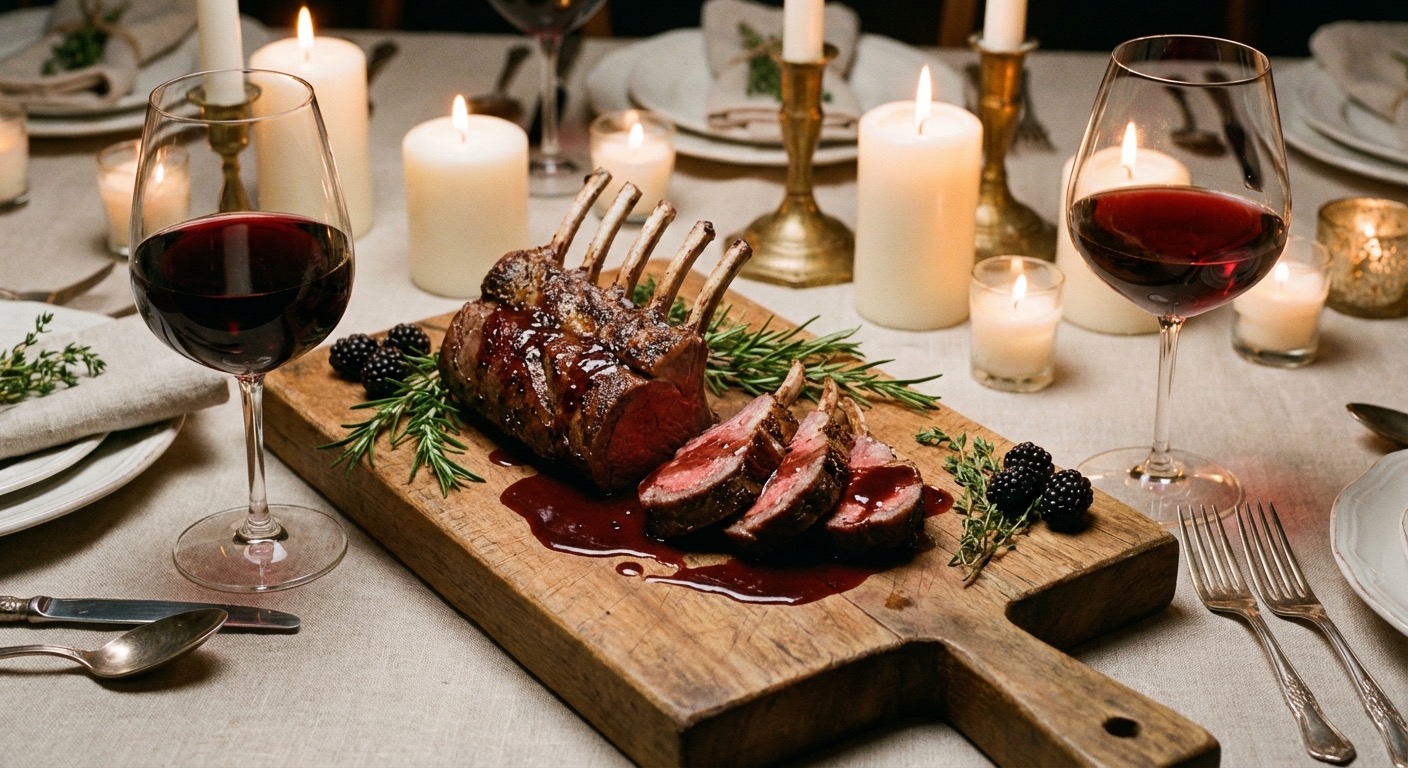
Grilled venison chops — bone-in rack chops seared over high heat until charred outside and rosy within — combine the loin's elegance with the primal satisfaction of cooking over fire. The char and smoke from the grill add a layer of complexity that opens up pairing possibilities beyond the usual Pinot Noir territory.
Top pick: Northern Rhône Syrah (Côte-Rôtie or Hermitage). Syrah from the Northern Rhône has a natural affinity with grilled meats, and venison chops are no exception. The wine's black pepper, smoked meat, and dark olive notes create an echo effect with the grill char, while its firm tannins and bracing acidity match the chop's intensity. Côte-Rôtie's co-fermented Viognier adds an aromatic lift — floral and almost perfumed — that prevents the pairing from becoming too heavy. This is one of those combinations where you take a bite, then a sip, and wonder why you'd ever drink anything else.
Runner-up: Priorat (Garnacha-Cariñena). Spanish Priorat, grown on steep llicorella (slate) slopes, produces wines of explosive intensity — dark fruit, mineral, licorice, and a distinctive smoky quality from the slate soils. That mineral intensity matches grilled venison's char and iron-rich meat in a way that few other wines can. The high alcohol (14-15%) is kept in check by the wine's equally high acidity, creating a pairing that feels powerful but balanced. Alvaro Palacios, Clos Mogador, or Mas Doix are benchmark producers.
Alternative: Etna Rosso (Nerello Mascalese). Sicily's Etna volcano produces reds from Nerello Mascalese that combine Burgundian elegance with volcanic minerality. The grape's high acidity, fine tannins, and red fruit purity work beautifully with grilled venison, while the ashy, smoky minerality from the volcanic soils creates a natural bridge with the grill char. Passopisciaro, Benanti, or Graci are excellent starting points.
Best Wine with Venison Stew
Venison stew — shoulder or leg meat cubed and simmered with root vegetables, red wine, juniper berries, and herbs — is the ultimate cold-weather comfort food. It's rustic, hearty, and deeply flavored, with the long cooking time having broken down the tough cuts into tender, succulent pieces infused with the braising liquid's complexity.
Top pick: Bandol (Mourvèdre). Mourvèdre from Bandol in Provence produces dark, meaty, herbal wines that were practically designed for game stew. The wine's blackberry and black olive fruit, leather and garrigue herb notes, and firm tannin structure match venison stew's complexity beat for beat. The earthy, savory character of aged Bandol — think cured meat, forest floor, dried herbs — resonates with the stew's long-cooked depth in a way that fruit-forward wines simply can't. Domaine Tempier is the benchmark, but Château Pibarnon and Domaine de Terrebrune are equally excellent.
Runner-up: Ribera del Duero (Tempranillo). Spanish Tempranillo from Ribera del Duero brings leather, tobacco, dark cherry, and oak-influenced vanilla that complement venison stew's hearty, rustic character. The wine's firm structure and moderate acidity hold up to the rich, thick broth, while its earthy undertones match the root vegetables and herbs. A Crianza or Reserva from Pesquera, Vega Sicilia, or Aalto is ideal — enough oak to add complexity without dominating.
Budget pick: Côtes du Rhône Villages. A well-made Côtes du Rhône Villages (Grenache-Syrah-Mourvèdre blend) is the weeknight answer to venison stew. It has the warmth, fruit, and herb notes to complement the dish without demanding the attention or price tag of its more prestigious neighbors. Look for villages like Cairanne, Rasteau, or Séguret for the best quality-to-price ratio.
Best Wine with Venison Carpaccio or Tartare
Raw or barely-cooked venison preparations — thinly sliced carpaccio or hand-chopped tartare — put the meat's flavor completely in the spotlight. There's no cooking to mellow the gamey notes, no sauce to bridge flavors. The wine needs to complement the raw meat's mineral intensity and delicate texture without overwhelming it.
Top pick: Aged Burgundy (8-12 years). Where a young Burgundy's fruit-forward character might compete with raw venison, an aged Burgundy's developed tertiary notes — mushroom, truffle, dried leaves, sous-bois — create a profound harmony with the raw meat's gamey, mineral character. The wine's evolved tannins are silky rather than grippy, which preserves the carpaccio's delicate texture. This is a pairing that rewards patience and good cellaring.
Runner-up: Langhe Nebbiolo. If aged Burgundy is hard to source, a Langhe Nebbiolo (the "baby Barolo" category) offers Nebbiolo's aromatics and acidity without the aggressive tannins that would clash with raw meat. The rose petal, tar, and cherry notes complement venison carpaccio beautifully, while the lighter structure respects the dish's delicacy. Produttori del Barbaresco's Langhe Nebbiolo or Vietti's Perbacco are excellent choices.
Surprise pick: Grower Champagne (Blanc de Noirs). A bone-dry, vintage Blanc de Noirs Champagne — made entirely from Pinot Noir grapes — brings together red fruit character, laser acidity, and a creamy mousse that works surprisingly well with venison tartare. The bubbles cleanse the palate between bites of rich, raw meat, while the Pinot Noir base provides enough body and red fruit to complement the venison. Try producers like Egly-Ouriet, Bérêche, or Pierre Gimonnet for this unconventional but stunning pairing.
Wines to Avoid with Venison
A few styles that consistently clash with venison's unique character:
Over-oaked, fruit-bomb reds. Heavily oaked Napa Cabernet or Barossa Shiraz — the kind that taste like vanilla extract and blackberry jam — will bulldoze venison's delicate gamey complexity. The sweetness of new oak clashes with venison's savory, mineral character, and the high alcohol amplifies the lean meat's drying effect. If you love these wines, save them for a well-marbled ribeye where the fat can absorb the impact.
Light, simple whites. While bold whites can work with certain preparations, a simple Pinot Grigio or unoaked Sauvignon Blanc will be completely overwhelmed by venison's intensity. The wine disappears, and you're left tasting nothing but gamey meat with a vaguely acidic wash. If you want white with venison, it needs to be rich and complex — think aged white Burgundy or Alsatian Pinot Gris.
Sweet or off-dry wines. Unlike duck (which pairs beautifully with off-dry Riesling), venison's savory, mineral character clashes with residual sugar. The sweetness feels jarring against the iron-rich meat, creating a dissonant combination that satisfies neither the food nor the wine. Keep it dry.
Tannic but fruit-poor wines. Young, underdeveloped wines with aggressive tannins but insufficient fruit — immature Barolo, green-vintage Bordeaux — will make lean venison feel astringent and unpleasant. If you're going tannic (Barolo, Madiran), make sure the wine has enough fruit concentration and age to provide a counterbalance.
Wine Pairing Quick Reference by Venison Cut
Your cheat sheet for matching wine to venison at a glance:
Roasted venison loin (medium-rare): Red Burgundy (Pinot Noir), Barbaresco, Oregon Pinot Noir
Braised venison shanks: Barolo, Châteauneuf-du-Pape, Crozes-Hermitage
Grilled venison chops: Côte-Rôtie (Syrah), Priorat, Etna Rosso
Venison stew: Bandol (Mourvèdre), Ribera del Duero, Côtes du Rhône Villages
Venison carpaccio/tartare: Aged Burgundy, Langhe Nebbiolo, Blanc de Noirs Champagne
Venison sausage: Beaujolais Cru (Morgon), Dolcetto d'Alba, Zweigelt
Venison burger: Malbec (Cahors), Zinfandel (old vine, balanced), Barbera d'Asti
The Juniper and Wine Connection
Juniper berries are venison's most traditional seasoning — they appear in marinades, rubs, sauces, and stews across virtually every European game-cooking tradition. This matters for wine pairing because juniper's piney, resinous, slightly bitter character interacts specifically with wine tannins and aromatics.
Wines with herbal, garrigue-like notes naturally complement juniper's botanical character. Northern Rhône Syrah (with its black olive and herb notes), Bandol Mourvèdre (garrigue and leather), and aged Nebbiolo (tar and dried herbs) all share aromatic compounds with juniper that create layered, complex pairings.
Conversely, purely fruit-driven wines without herbal complexity will feel disconnected when juniper is prominent. If your venison dish features juniper heavily, lean toward the herbal, savory end of the wine spectrum rather than the fruity end.
Temperature and Serving Tips
A few practical notes that make a real difference:
Serve reds slightly cool (60-65°F). Venison's leanness means your palate doesn't get the fat coating that softens tannic, warm wines. Cooling your red wine slightly below room temperature firms up the tannins and brightens the acidity, creating a more refreshing pairing that prevents the lean meat from feeling austere.
Decant young wines. If you're opening a young Barolo, Côte-Rôtie, or Priorat with venison, give it at least an hour in a decanter. These wines need oxygen to soften their aggressive tannins and reveal the earthy, savory notes that harmonize with game. Without decanting, you'll get a harsh, fruit-dominated version that doesn't connect with the meat.
Match the sauce, not just the meat. Venison sauces often contain wine, fruit, or cream — and these components significantly influence the pairing. A blackberry and port reduction calls for a different wine than a cream-based peppercorn sauce. When in doubt, echo the sauce: use the same wine in the sauce that you plan to drink, or at least match the general style (fruit-forward sauce = fruit-forward wine, cream sauce = richer, rounder wine).
Frequently Asked Questions
What is the best wine to pair with venison?
Pinot Noir, especially Red Burgundy, is the most versatile wine for venison. Its bright acidity complements the lean meat, its earthy complexity harmonizes with the gamey flavor, and its moderate tannins match without overpowering. For richer preparations like braised shanks or stew, consider Barolo, Bandol, or Northern Rhône Syrah.
Is Cabernet Sauvignon good with venison?
Cabernet Sauvignon can work with venison stew or braised preparations where the rich sauce buffers the wine's heavy tannins. However, for leaner cuts like loin or chops, Cabernet's aggressive tannins and high alcohol tend to dry out the meat. Pinot Noir, Nebbiolo, or Syrah are generally better choices for venison.
Can you drink white wine with venison?
White wine is challenging with venison due to the meat's intense, gamey flavor. Light whites will be overwhelmed entirely. However, a rich, aged white Burgundy (Meursault) can work with a cream-sauced venison preparation, and Blanc de Noirs Champagne pairs surprisingly well with venison tartare or carpaccio.
What wine goes with venison stew?
Bandol (Mourvèdre) is the ideal match for venison stew — its dark, meaty, herbal character mirrors the stew's long-cooked depth. Ribera del Duero Tempranillo and Côtes du Rhône Villages are excellent alternatives. The key is choosing wines with earthy, savory complexity rather than pure fruit.
Why does Pinot Noir pair so well with venison?
Pinot Noir's combination of high acidity, moderate tannins, and earthy complexity makes it ideal for venison. The acidity cuts through the lean meat's intensity, the moderate tannins don't dry it out further, and the earthy mushroom and forest-floor notes harmonize with venison's gamey character. It's the same logic that makes Burgundy the historic wine of game-hunting regions.
More Pairing Guides
Best Bourbon for Pork Ribs vs Beef Ribs: Complete Pairing Guide
Pork ribs and beef ribs aren't interchangeable when it comes to bourbon pairing. Fat content, smoke intensity, and flavor depth determine which bottle works best. Here's the complete breakdown.
12 min readBest Bourbon for BBQ Ribs: 7 Perfect Pairings (Tasted & Ranked)
Not every bourbon works with every style of ribs. Here are 7 bourbon pairings ranked by rib type, sauce style, and smoke profile — with specific bottles tested against real BBQ.
10 min readBest Wine with Tri-Tip: Expert Pairing Guide
Tri-tip demands wines with enough structure to match its intensity while complementing its smoky, savory profile.