What to Serve with Wagyu: The Complete Pairing Guide
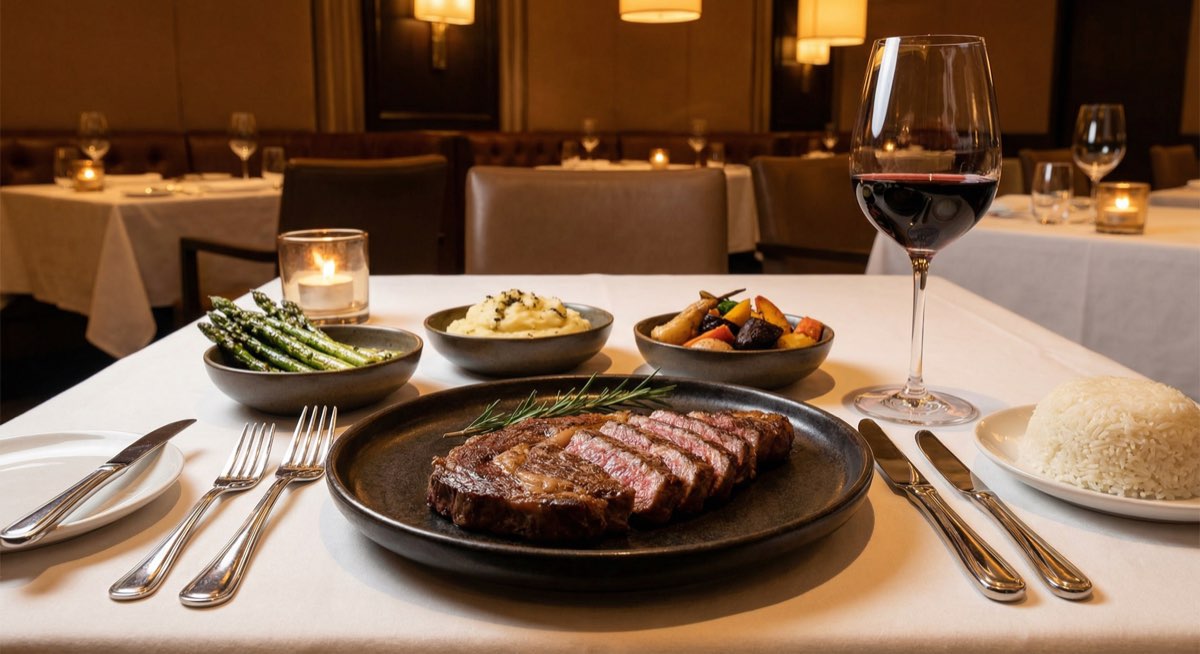
I'll be honest with you: the first time I tasted authentic A5 Japanese Wagyu, I made a mistake. I served it with a heavily peppered red wine reduction and garlic mashed potatoes — the same sides I'd pair with a standard ribeye. The result? The sauce completely overwhelmed the beef's buttery, almost sweet character. I'd spent a fortune on the world's finest beef and masked it with aggressive flavors.
That experience taught me the fundamental rule of pairing with wagyu: restraint is respect. Whether you're working with A5 Japanese Wagyu or American Wagyu, the goal isn't to add flavor — it's to create balance and contrast that allows the beef's extraordinary character to shine.
Understanding Wagyu: Why It's Different
Before we talk about pairings, we need to understand what makes wagyu unique. The term "wagyu" simply means "Japanese cow," but in practice, it refers to beef with extreme marbling — intramuscular fat distributed throughout the meat in fine, web-like patterns.
Japanese A5 Wagyu represents the pinnacle: BMS (Beef Marbling Score) of 8-12, meaning 40-60% of the cut can be fat. The flavor is rich, buttery, almost sweet, with a texture that literally melts at body temperature. A little goes a long way — 2-3 ounces is a standard serving.
American Wagyu is typically a cross between Japanese wagyu cattle and Angus, resulting in marbling that's exceptional by American standards (BMS 6-9) but less extreme than A5. The flavor is richer and beefier than A5, with substantial marbling that still demands thoughtful pairing. Serving sizes are more typical — 6-8 ounces.
The high fat content is exactly why pairing matters. Rich foods need contrast — acidity, bitterness, freshness — to avoid palate fatigue.
Japanese-Inspired Sides for A5 Wagyu
When serving authentic Japanese A5, I lean into traditional Japanese accompaniments that honor the beef's origin and provide the right balance.
Tsukemono (Japanese Pickles)
Pickled vegetables are essential. The acidity and crunch cut through the richness beautifully. Serve a small selection:
- Takuan: Yellow pickled daikon radish. Sweet, tangy, crisp.
- Shiozuke Kyuri: Lightly salted cucumber. Refreshing and clean.
- Beni Shoga: Pickled red ginger. Sharp acidity that cleanses the palate.
These aren't just garnish — take a bite of pickle between bites of beef. Your palate resets completely.
Simple White Rice
Short-grain Japanese rice, perfectly steamed, seasoned with nothing. The mild, slightly sticky texture absorbs the beef's rendered fat. Some diners like to place a piece of wagyu directly on the rice, letting the fat soak in — it's extraordinary.
Pro tip: Use sushi rice prepared with a touch of rice vinegar and mirin. The subtle sweetness and acidity complement the beef.
Miso Soup
A light dashi-based miso soup with tofu, wakame, and scallions provides warmth and umami without competing with the beef. The fermented soybean paste echoes the beef's savory depth while the broth cleanses between bites.
Sautéed Japanese Mushrooms
Shiitake, maitake, or enoki mushrooms sautéed simply in a touch of soy sauce and sake. The earthy, umami-rich mushrooms amplify the beef's savory character. Keep it light — mushrooms should be tender, not swimming in sauce.
Grilled Vegetables (Yakitori-Style)
Japanese vegetables prepared simply:
- Baby bok choy or gai lan, steamed or lightly grilled
- Nasu dengaku — grilled eggplant with miso glaze
- Asparagus with a light soy-sesame drizzle
- Blistered shishito peppers with sea salt
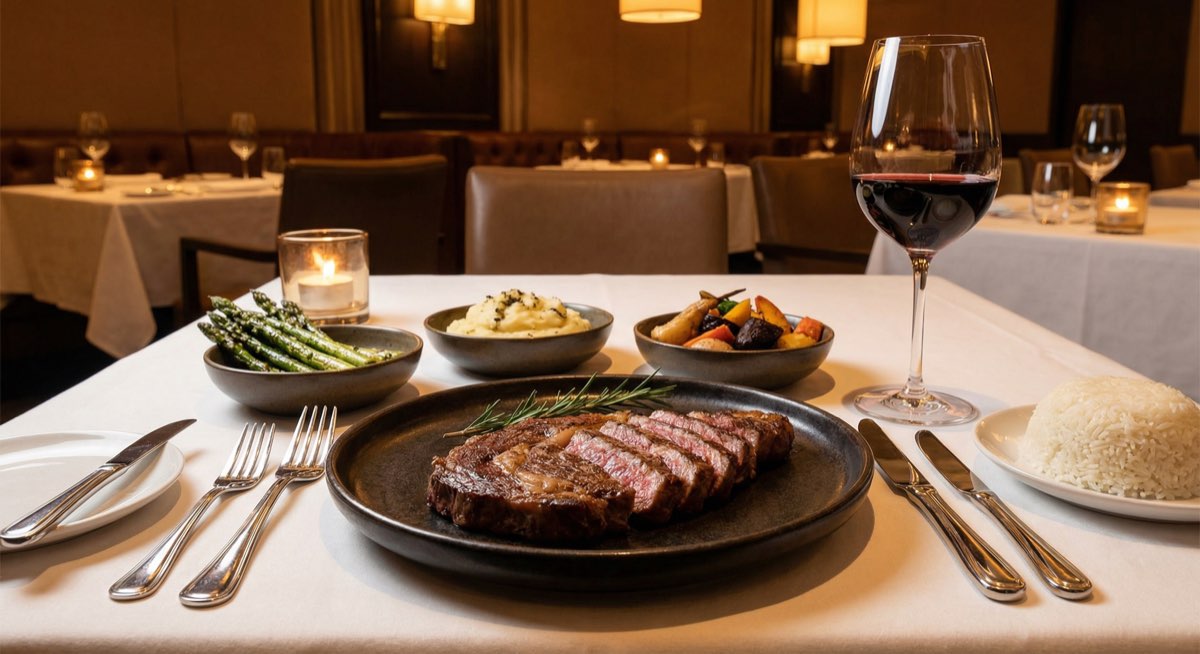
The theme here is simplicity and balance. A5 wagyu doesn't need heavy cream sauces or aggressive flavors. It needs fresh, acidic, umami-rich accompaniments that provide contrast.
American Steakhouse Sides for American Wagyu
American Wagyu bridges the gap between traditional steakhouse beef and Japanese A5. It has enough marbling to demand respect but enough beef flavor to handle bolder accompaniments. Here's where you can lean into classic American steakhouse traditions — with restraint.
Crispy Brussels Sprouts
Roasted until the outer leaves are crispy and slightly charred, finished with balsamic reduction and Parmesan. The bitterness and acidity cut through the wagyu's richness, while the crispy texture provides contrast to the beef's tenderness.
Grilled Asparagus with Lemon
Thick asparagus spears, charred over high heat, finished with lemon juice and flaky salt. The slight char echoes the beef's crust, while lemon provides essential brightness. No hollandaise — that's too rich for wagyu.
Simple Arugula Salad
Peppery arugula dressed lightly with lemon, olive oil, and shaved Parmesan. The peppery bite and acidity refresh the palate between bites. This is my go-to side for American wagyu — it's perfect in its simplicity.
Roasted Fingerling Potatoes
Small potatoes roasted crispy with rosemary, garlic, and olive oil. They provide the comfort of a traditional steakhouse side without the heaviness of loaded mashed potatoes. The crispy exterior is key — it contrasts with the wagyu's buttery texture.
Charred Broccolini
Broccolini grilled or roasted until the florets char and the stems turn tender. Finish with lemon zest, red pepper flakes, and good olive oil. The slight bitterness balances sweetness in the beef.
Heirloom Tomato Salad
In summer, nothing beats ripe tomatoes with flaky salt, basil, and excellent olive oil. The acidity and freshness provide the perfect counterpoint to rich beef. Don't add balsamic — the tomatoes' natural acidity is enough.
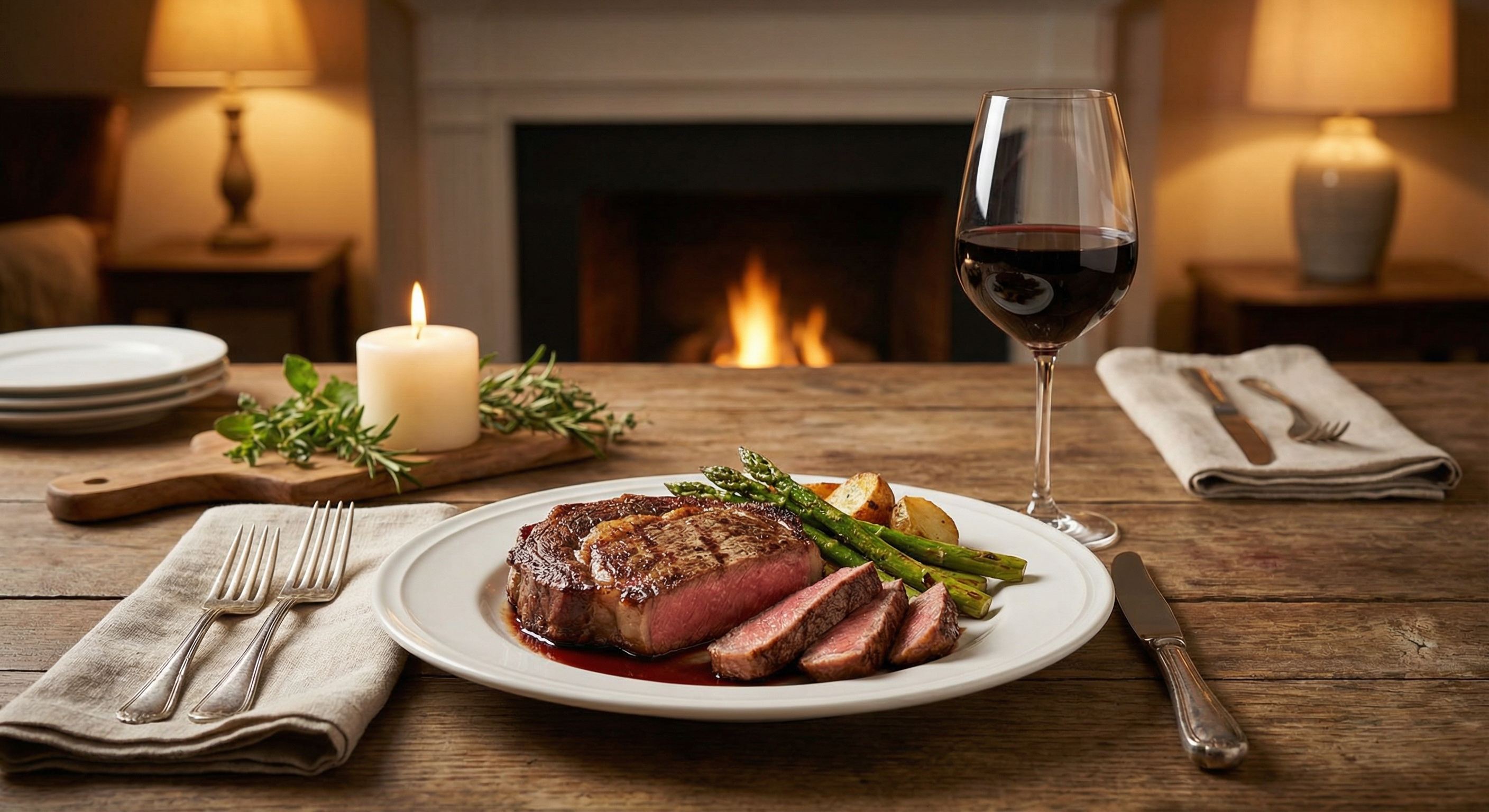
Notice the pattern: acidity, bitterness, freshness. These are the flavors that balance fat. Avoid cream-heavy, butter-heavy, or overly rich sides. The beef is already providing richness in abundance.
Wine Pairings: Handle with Care
Pairing wine with wagyu is tricky. The extreme marbling and delicate flavor profile require wines with enough structure to cut through fat but not so much power that they overwhelm the beef. Here's what works:
For A5 Japanese Wagyu
Burgundy Pinot Noir: My top choice. The bright acidity, silky tannins, and earthy complexity complement the beef's richness without overwhelming its delicate, almost sweet character. Look for premier cru or grand cru expressions with enough structure.
Champagne (Blanc de Noirs): The high acidity and bubbles cut through fat like nothing else. A Pinot Noir-based Champagne adds enough body to stand up to the beef while the carbonation cleanses the palate.
Châteauneuf-du-Pape: A Grenache-based blend offers ripe fruit, moderate tannins, and enough complexity for A5. The warmth and spice echo the beef's richness without fighting it.
Avoid: Heavy Cabernet Sauvignons, super-extracted Napa reds, or overly tannic wines. They're too powerful. A5 is delicate despite its richness.
For American Wagyu
Napa Valley Merlot: Softer tannins than Cabernet, plush fruit, and enough structure for the beef's richness. American wagyu can handle more wine than A5.
Rioja Reserva: Spanish Tempranillo aged in oak develops leathery, savory notes that echo the beef's depth. Integrated tannins and moderate acidity provide balance.
Oregon Pinot Noir: Slightly richer than Burgundy, with cherry fruit and forest floor notes. Works beautifully with American wagyu's balanced richness and beef flavor.
Right Bank Bordeaux: Merlot-dominant blends offer elegance with enough structure. The soft tannins won't overwhelm the beef's delicate marbling.
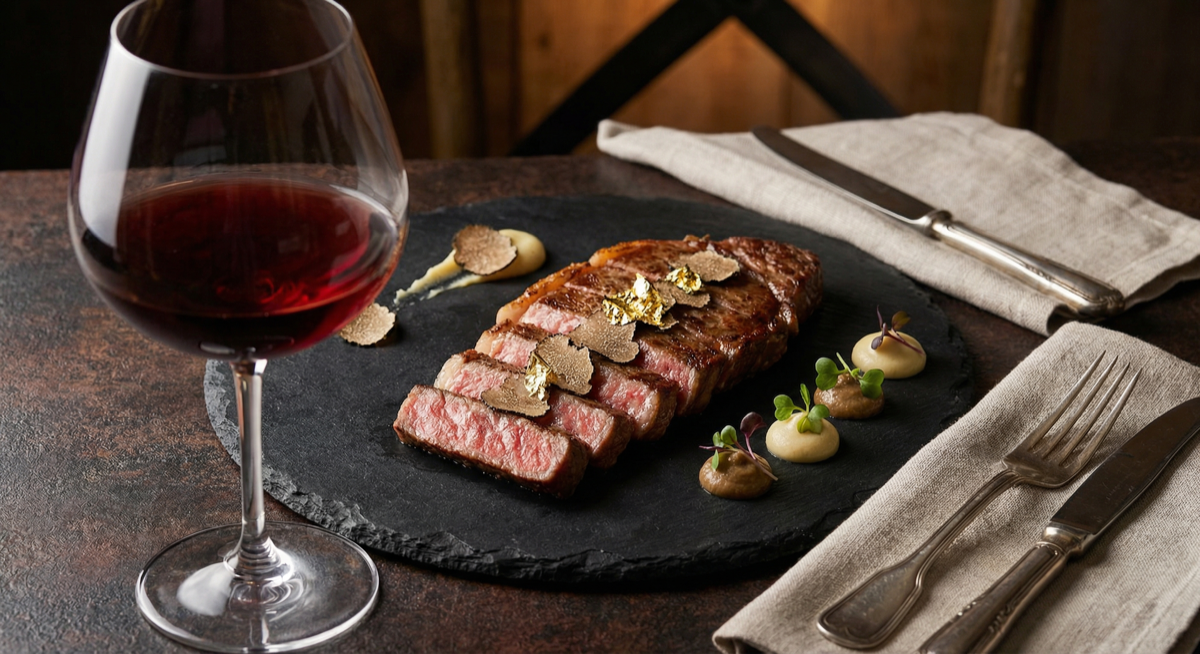
The key principle: elegance over power. Wagyu's richness comes from fat, not from intense beef flavor. You need wines that cut through fat (acidity) without overpowering the beef's character (moderate tannins, not excessive extraction).
Sake Pairings: The Natural Match
If wine pairing feels complicated, sake is your answer. As Japan's national beverage, sake evolved alongside wagyu and provides natural harmony. The umami in sake amplifies the beef's savory character, while acidity cuts through fat.
Junmai Daiginjo
Premium sake made from rice polished to at least 50%. Clean, elegant, with fruity and floral aromatics. The delicate character matches A5's refinement, while the acidity provides balance.
Recommended: Dassai 23, Juyondai, Kubota Manju.
Junmai Ginjo
Slightly less polished than daiginjo (60% polish), offering more body and richer umami. Works beautifully with both A5 and American wagyu. The fuller body stands up to the beef's richness.
Recommended: Hakkaisan Yukimuro, Born Gold, Dewazakura Oka.
Sparkling Sake
The bubbles cut through fat just like Champagne, but with sake's umami character that complements beef. Refreshing, festive, and unexpected.
Recommended: Mio (by Takara), Tozai Snow Maiden, Ichigo Ichie.
Serving Temperature
Serve premium sake chilled (45-50°F). The cool temperature refreshes between bites of rich beef. Warm sake is traditional for lower-grade sake but would be a waste with premium expressions.
Pro tip: Pour sake into wine glasses, not traditional ochoko cups. The wider bowl allows aromatics to open up, enhancing the pairing experience.
Sauces and Condiments: Less is More
The best sauce for wagyu is often no sauce at all. The beef's marbling provides built-in richness and flavor. But if you want to offer options, here are the only sauces I recommend:
For A5 Japanese Wagyu
Ponzu: Citrus-based soy sauce with yuzu, lemon, or lime. The acidity and umami enhance the beef without masking it. Use sparingly — a light brush or small dipping bowl.
Wasabi: Real wasabi (not the green-dyed horseradish most restaurants serve) provides a clean, sharp heat that cuts through fat. The heat stimulates the palate between bites.
Sea Salt: Good flaky salt (Maldon, fleur de sel) is often all you need. The crystals provide bursts of salinity that amplify the beef's natural flavor.
Yuzu Kosho: Fermented chili and yuzu paste. Spicy, citrusy, complex. A tiny dab provides heat and acidity. Use like wasabi — sparingly.
For American Wagyu
Compound Butter (Herb): Softened butter with parsley, thyme, and shallots. As it melts on the hot beef, it creates a simple, elegant sauce. Don't use blue cheese or overly aggressive flavors.
Red Wine Reduction: A simple reduction of red wine, shallots, and beef stock, finished with butter. Provides depth and acidity without overwhelming. Use sparingly — 1-2 tablespoons maximum.
Horseradish Cream (Light): Fresh grated horseradish in crème fraîche. The heat and acidity cut through richness. Make it lighter than you would for prime rib — more tang, less cream.
Chimichurri (Modified): Traditional chimichurri is too aggressive for wagyu, but a lighter version with more oil and less vinegar can work with American wagyu's beefier flavor.
What to Avoid
No A1, no steak sauce, no ketchup-based anything. These sauces were designed to improve mediocre beef. Wagyu doesn't need improvement — it needs respect. Also avoid creamy sauces like béarnaise or peppercorn cream sauce. They compound the richness instead of balancing it.
What NOT to Serve with Wagyu
Learning what to avoid is as important as knowing what works. Here are the mistakes I see most often:
Overpowering Flavors
Blue cheese: Too funky, too strong. It fights the beef instead of complementing it.
Heavy peppercorn crusts: The pepper's heat and bitterness overwhelm wagyu's delicate character. Light pepper is fine; a thick crust is not.
Strong BBQ sauces: Tomato-based, sugar-heavy sauces mask the beef entirely. Save these for brisket.
Overly Rich Sides
Loaded mashed potatoes: Butter, cream, sour cream, bacon, cheese — you're adding fat to fat. It's too much.
Creamed spinach: Again, compounding richness. The cream fights the beef's natural creaminess.
Mac and cheese: A steakhouse classic, but too heavy for wagyu. The cheese and cream create palate fatigue.
Wrong Wines
Big California Cabernets: 15% alcohol, oak-bomb extraction, aggressive tannins. They bulldoze the beef.
Cheap, sweet wines: White Zinfandel, Moscato, sweet reds. The sweetness clashes with the beef's savory character.
Overly tannic wines: Young Barolo, big Malbec, or unaged Cabernet. The tannins are too aggressive.
Temperature Mistakes
Serving wagyu ice-cold or piping hot both destroy the experience. Wagyu fat melts at around 77°F — much lower than regular beef fat. This is why it literally melts in your mouth. Serve it at medium-rare (130-135°F internal) for A5, or medium-rare to medium (130-140°F) for American wagyu. Let it rest properly so the fat redistributes.
Building the Complete Wagyu Experience
Here are two complete pairing menus — one for A5, one for American wagyu:
The A5 Japanese Experience
- Appetizer: Miso soup with tofu and wakame
- Main: 2-3 oz A5 Japanese Wagyu (lightly salted)
- Sides: Steamed short-grain rice, assorted tsukemono, sautéed shiitake mushrooms
- Condiments: Ponzu, wasabi, flaky sea salt
- Beverage: Junmai Daiginjo sake or Burgundy Pinot Noir
- Dessert: Fresh fruit (melon or persimmon) to cleanse the palate
The American Wagyu Steakhouse Experience
- Appetizer: Simple arugula salad with lemon vinaigrette
- Main: 6-8 oz American Wagyu ribeye or NY strip
- Sides: Roasted fingerling potatoes, charred broccolini, grilled asparagus
- Condiments: Herb compound butter, flaky salt
- Beverage: Oregon Pinot Noir or Rioja Reserva
- Dessert: Light lemon tart or sorbet
Both menus follow the same principle: let the beef be the star. Everything else provides supporting contrast — acidity, bitterness, freshness — that allows you to enjoy bite after bite without palate fatigue.
Final Thoughts: Respect the Investment
Wagyu beef is an investment. Whether you're serving A5 at $150+ per pound or American wagyu at $40-60 per pound, you're working with premium ingredients that deserve thoughtful treatment.
The pairing philosophy is simple: contrast, don't compound. The beef already provides richness, umami, and fat. Your job is to provide what it lacks — acidity, bitterness, freshness, texture contrast. When you nail the pairings, each component makes the others taste better. The beef tastes beefier, the pickles taste brighter, the wine feels more elegant.
That's the goal of pairing: not to add more, but to create harmony where each element elevates the others. With wagyu, that starts with restraint. Season lightly, pair thoughtfully, and let the beef speak for itself.
Frequently Asked Questions
Can I use A1 sauce or steak sauce with wagyu?
Absolutely not. A1 and similar sauces were designed to improve mediocre beef. Wagyu is the world's finest beef — using steak sauce would completely mask its delicate flavor and rich character. If you feel you need steak sauce, you've either overcooked the beef or should save your money and buy regular steak instead.
What's the biggest mistake people make when serving wagyu?
Treating it like regular steak. The most common mistake is serving it with heavy, rich sides like creamed spinach and loaded mashed potatoes. This creates palate fatigue — your mouth gets coated with fat and you can't enjoy the beef. Wagyu needs acidic, fresh, and bitter accompaniments to cut through the richness.
How much wagyu should I serve per person?
For A5 Japanese Wagyu, 2-3 ounces per person is standard. The extreme richness makes it impossible to eat more comfortably. For American Wagyu, 6-8 ounces is typical — similar to a standard steak portion but on the smaller side. The high fat content is very satiating, so people need less than they think.
Is sake or wine better with wagyu?
Both can be excellent, but sake is often easier to pair. Sake evolved alongside wagyu in Japan and provides natural harmony — the umami amplifies the beef, while acidity cuts through fat. Wine requires more careful selection to avoid overwhelming the beef. If you're uncertain, choose a premium Junmai Ginjo or Junmai Daiginjo sake chilled.
Can I make wagyu ahead of time?
No. Wagyu must be cooked and served immediately. The rendered fat begins to congeal as it cools, and reheating destroys the texture. Plan your meal so the wagyu is the last thing you cook, and have all sides ready before you start searing. The beef should go from pan to plate to mouth while still hot.
More Pairing Guides
Best Bourbon for Pork Ribs vs Beef Ribs: Complete Pairing Guide
Pork ribs and beef ribs aren't interchangeable when it comes to bourbon pairing. Fat content, smoke intensity, and flavor depth determine which bottle works best. Here's the complete breakdown.
12 min readBest Bourbon for BBQ Ribs: 7 Perfect Pairings (Tasted & Ranked)
Not every bourbon works with every style of ribs. Here are 7 bourbon pairings ranked by rib type, sauce style, and smoke profile — with specific bottles tested against real BBQ.
10 min readBest Wine with Tri-Tip: Expert Pairing Guide
Tri-tip demands wines with enough structure to match its intensity while complementing its smoky, savory profile.