Best Mezcal for Steak: A Smoky Pairing Guide by Cut
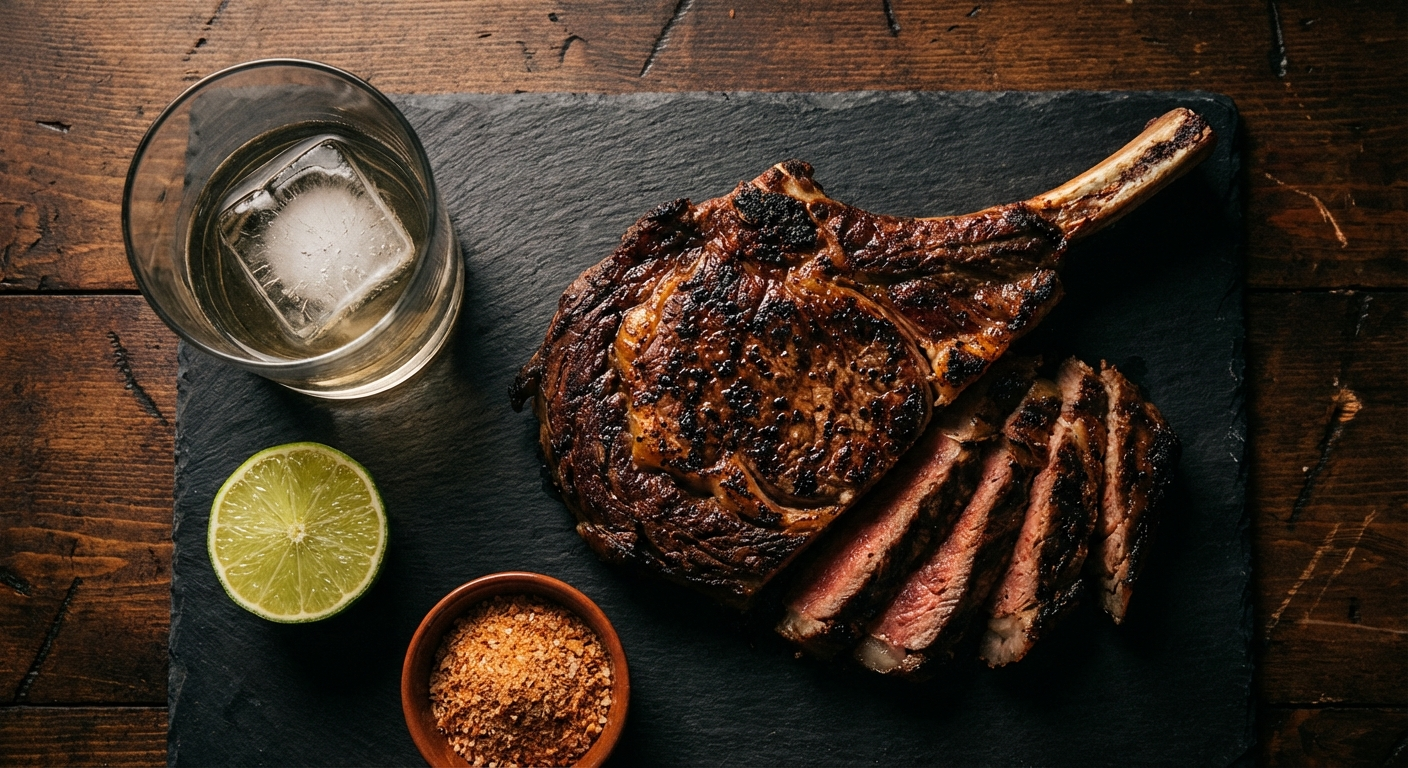
Mezcal and steak share something fundamental — fire. Every mezcal starts with agave hearts roasted in underground pits over hot stones. Every great steak starts with intense heat on cast iron or open flame. When you bring them together at the table, the smoky char from both sides meets in the middle and creates one of the most natural spirit-and-meat pairings that exists.
But mezcal is not a monolith. The agave variety, production region, roasting time, and aging all create wildly different flavor profiles. A bright, citrusy espadín joven tastes nothing like a deep, earthy tobalá or a barrel-aged reposado. Matching the wrong mezcal to the wrong cut is like pairing a light Pinot Noir with a heavily smoked brisket — technically possible, practically a waste.
This guide breaks down how mezcal's smoke, earth, and fruit interact with different steak cuts — and which bottles to reach for every time.
Why Mezcal Works With Steak: The Smoke Bridge
Bourbon works with steak through shared caramel and char compounds. Wine works through tannin and fat interaction. Mezcal works through a mechanism that neither can replicate: the smoke bridge.
When agave hearts roast in an earthen pit for three to five days, they develop phenolic smoke compounds — guaiacol, syringol, and 4-methylguaiacol — that are chemically identical to the compounds created when you sear steak over high heat. Your palate reads mezcal smoke and sear crust smoke as the same flavor family, creating instant harmony.
Beyond smoke, mezcal brings two elements that cut through beef fat more effectively than most spirits:
Mineral salinity. Many mezcals — especially those from Oaxacan clay-pot distillation — carry a mineral, almost saline quality. This minerality acts the way a finishing salt works on steak: it amplifies the beef's natural umami flavors and makes the meat taste more intensely beefy.
Green vegetal notes. Raw agave contributes herbaceous, slightly vegetal flavors that survive distillation. These green notes function like a chimichurri or herb garnish — they provide contrast and freshness against rich, fatty beef, preventing palate fatigue.
The result: mezcal simultaneously enhances, contrasts, and complements steak in a way that no single wine or whiskey can achieve.
Mezcal Categories That Matter for Pairing
Before matching bottles to cuts, you need to understand the three variables that determine how a mezcal will interact with beef:
Agave Variety
Espadín is the workhorse — about 90% of all mezcal. It produces approachable, balanced spirits with moderate smoke, citrus, and tropical fruit. Think of espadín as the Cabernet Sauvignon of mezcal: reliable, food-friendly, versatile.
Tobalá is wild-harvested and produces mezcals with intense floral, earthy complexity. Higher cost, more contemplative — best with premium cuts where you want to slow down and savor both the spirit and the beef.
Cuishe, Madrecuishe, and Tepeztate are wild agaves with bold, sometimes funky profiles — green pepper, wet clay, tropical funk. These are for adventurous pairers who want the mezcal to challenge the steak rather than complement it.
Arroqueño produces rich, chocolatey, deeply smoky mezcals. It's the full-bodied red wine equivalent — best with the richest, fattiest cuts.
Age Category
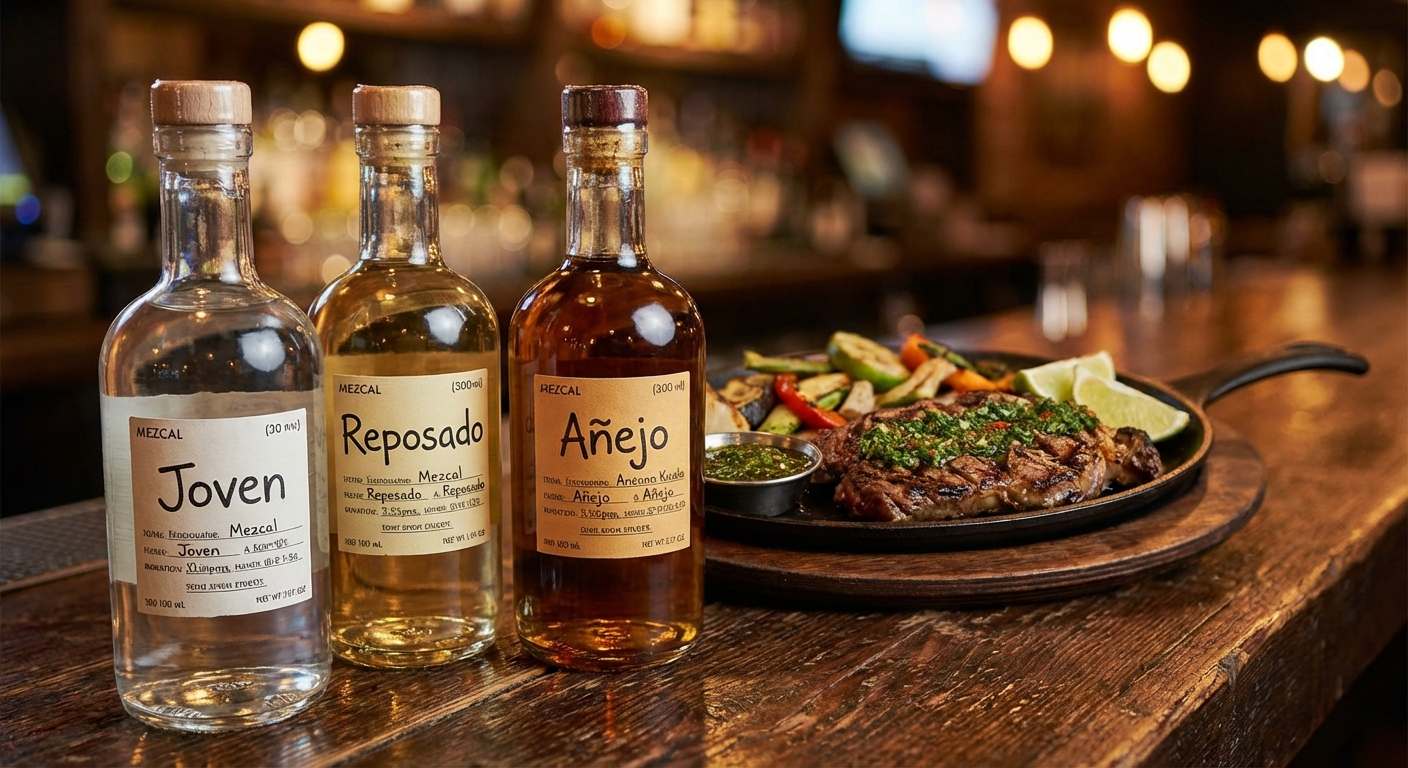
Joven (unaged) delivers pure agave character and maximum smoke expression. This is where mezcal's personality is loudest. Best for cuts where you want the spirit to stand up to bold beef flavors.
Reposado (2-12 months in wood) softens the smoke and adds vanilla, caramel, and oak. More approachable, bridges the gap between mezcal and whiskey lovers. Excellent with medium-fat cuts.
Añejo (1+ years in wood) pushes mezcal toward whiskey territory — deep oak, dried fruit, chocolate. The smoke becomes a background note. Reserve for premium occasions with the finest beef.
Smoke Intensity
Not all mezcals are equally smoky. Production method matters enormously:
- Heavy smoke: Longer pit roasting, larger agave, traditional clay-pot distillation
- Medium smoke: Standard espadín, copper-pot distillation
- Light smoke: Shorter roasting, column distillation, or aged expressions where barrel softens the smoke
Match smoke intensity to your steak's preparation. A heavily charred, thick-cut ribeye can handle — and benefits from — a heavily smoky joven. A gently pan-seared filet needs something softer.
Cut-by-Cut Mezcal Pairing Guide
Ribeye: Go Bold With Smoky Joven Espadín
Ribeye is the fattiest mainstream steak cut, with heavy marbling throughout the longissimus dorsi and the rich spinalis cap. It needs a spirit with enough intensity to cut through that fat — and enough smoke to match the aggressive sear a ribeye demands.
Best match: A smoky, full-proof joven espadín in the 45-48% ABV range. The higher alcohol content dissolves fat-soluble flavor compounds, intensifying the beef's taste while the smoke harmonizes with the charred crust. Look for traditional clay-pot distilled expressions for maximum smoke.
Bottles to try: Del Maguey Chichicapa, Vago Espadín by Aquilino García, or Real Minero Espadín. All deliver serious smoke with enough complexity to stand up to a well-marbled ribeye.
How to pair: Pour 1.5 ounces neat in a copita or wide-mouth glass. Take a small sip before your first bite to prime your palate, then alternate between bites and sips. The fat from the ribeye will smooth out the mezcal's edges as you eat.
Filet Mignon: Reposado or Tobalá for Finesse
Filet mignon is lean, tender, and delicate — the opposite of ribeye. A heavily smoky joven would bulldoze this cut. You need something that adds complexity without overwhelming the beef's subtle, buttery flavor.
Best match: A tobalá joven for floral complexity, or an espadín reposado for soft vanilla-smoke balance. Both add layers without dominating. The tobalá's earthy minerality enhances filet's clean beef flavor, while reposado's oak aging creates a gentle bridge between spirit and steak.
Bottles to try: El Jolgorio Tobalá, Dangerous Don Reposado, or Montelobos Tobalá. These bring nuance and restraint — exactly what filet demands.
New York Strip: Reposado Espadín Hits the Sweet Spot
Strip steak sits between ribeye and filet — moderate fat, strong beefy flavor, a firm texture that can handle intensity without needing the bulldozer treatment. It's the most versatile steak for mezcal pairing.
Best match: Espadín reposado. The aging softens the smoke enough to not compete with the strip's clean beef flavor, while the residual agave character adds a dimension that wine cannot. The vanilla and light caramel from barrel aging complement the Maillard crust perfectly.
Bottles to try: Ilegal Reposado, Banhez Reposado, or Koch Espadín Reposado. These hit the price-quality sweet spot for regular weeknight pairing.
T-Bone and Porterhouse: Two Mezcals or One Versatile Pick
A T-bone gives you strip and tenderloin on the same plate — two different fat levels, two different textures. The ideal approach is one versatile mezcal that works with both sides.
Best match: A medium-smoke espadín joven at standard 40-43% ABV. Enough intensity for the strip side, enough restraint for the tenderloin side. Alternatively, pour two different mezcals — a joven for the strip bites, a reposado for the filet bites.
Bottles to try: Mezcal Vago Espadín en Barro (clay-pot distilled, medium smoke, incredible complexity), or Bozal Espadín for a more approachable entry.
Wagyu: Añejo or Wild Agave for the Premium Experience
A5 wagyu or high-grade American wagyu is intensely marbled, rich, and meant to be eaten in small bites. You need a sipping mezcal — something contemplative that you'll nurse alongside those small, intense portions.
Best match: An añejo espadín or a wild-agave joven like cuishe or madrecuishe. The añejo brings barrel-aged depth that matches wagyu's richness. Wild agave brings unusual complexity — green pepper, tropical fruit, wet stone — that provides the contrast wagyu's fat needs.
Bottles to try: Del Maguey Madrecuishe, Nuestra Soledad Santiago Matatlán Añejo, or Rey Campero Cuishe. Save these pours for wagyu — they're special enough to deserve the best beef.
For the best results, start with exceptional wagyu. The Meatery's Japanese A5 wagyu collection paired with a complex wild-agave mezcal is a once-in-a-lifetime flavor experience.
Skirt Steak and Carne Asada: Joven Espadín, Full Stop
This is the classic pairing. Skirt steak grilled hot and fast over charcoal, sliced thin, served with lime and salt — alongside straight mezcal with the same lime and salt treatment. This is how mezcal and beef have been enjoyed in Mexico for generations.
Best match: A straightforward joven espadín at 40-45% ABV. Nothing fancy. The citrus notes in the mezcal echo the lime on the meat. The salt rim on the copita mirrors the seasoning on the steak. Everything aligns naturally.
Bottles to try: Banhez Espadín/Barril, Vida de Mezcal, or Union Uno. These are everyday mezcals with real character — not bottom-shelf mixers, but not investment bottles either. Perfect for casual grilling.
Smoked Brisket: Arroqueño or Heavy-Smoke Joven
Brisket that's been smoked for 12-16 hours has more smoke character than any other cut. You need a mezcal that can match that intensity without either overpowering or getting lost.
Best match: Arroqueño joven or a pechuga mezcal. Arroqueño's chocolate and deep earth notes complement the bark's pepper and the rendered fat's richness. Pechuga's fruit and protein complexity (from the chicken breast hung in the still during distillation) creates a fascinating dialogue with smoked beef.
Bottles to try: Real Minero Arroqueño, Mezcal Vago Arroqueño, or any artisanal pechuga you can find. These are the big guns — deploy them when the brisket is worthy.
Quick Pairing Reference Chart
- Ribeye → Smoky joven espadín (45%+ ABV, clay-pot distilled)
- Filet Mignon → Tobalá joven or espadín reposado
- New York Strip → Espadín reposado
- T-Bone / Porterhouse → Medium-smoke espadín joven
- Wagyu → Añejo espadín or wild-agave joven (cuishe, madrecuishe)
- Skirt / Flank / Carne Asada → Joven espadín (classic, citrusy)
- Smoked Brisket → Arroqueño or pechuga
- Tomahawk → Bold joven espadín (same as ribeye, bigger pour)
Mezcal and Steak: Serving Tips
Serve mezcal at room temperature. Cold mezcal mutes the smoke and agave flavors that make the pairing work. Pour into a copita, veladora, or small rocks glass — never a shot glass.
Sal de gusano is your secret weapon. Worm salt — ground dried maguey worms, chile, and salt — is the traditional mezcal accompaniment. A small lick of sal de gusano between sips and bites creates a umami bridge that amplifies both the mezcal and the beef. It sounds unusual, but it's the single most effective pairing enhancer in the spirits world.
Orange slices over lime for rich cuts. While lime is traditional with mezcal, orange slices work better alongside fatty steaks. The sweetness and lower acidity of orange complement beef fat, while lime's sharpness is better suited to leaner, grilled preparations like carne asada.
Pour 1.5 ounces per course. Mezcal is typically 40-50% ABV — significantly stronger than wine. One pour should last your entire steak. Sip, don't shoot. The goal is flavor enhancement across the whole meal, not a single big hit.
Let the steak rest, then pour. Time your mezcal pour to when the steak comes off rest, right before you cut into it. Fresh mezcal aroma alongside the first waft of resting steak steam is one of the great sensory combinations in food and drink.
Mezcal vs. Bourbon vs. Tequila With Steak
All three agave and grain spirits work with beef, but they bring different strengths:
Bourbon shares caramel and vanilla with seared beef. It's the most approachable pairing — bourbon's sweetness flatters almost any cut. But bourbon lacks the smoke dimension and mineral complexity that mezcal brings. Read our bourbon and steak pairing guide for specific recommendations.
Tequila brings agave character without the heavy smoke. It's cleaner, brighter, more citrus-forward — excellent for grilled preparations and lighter cuts. See our tequila and steak pairing guide for cut-by-cut matches.
Mezcal is the boldest choice. The smoke bridge, mineral salinity, and vegetal complexity make it the most food-interactive spirit of the three. It rewards attention — mezcal changes character as you eat, responding to the fat and seasoning on your palate in ways that bourbon's consistent sweetness does not.
If you're new to spirits-and-steak pairing, start with bourbon. If you already love bourbon with beef, try tequila next. If you're ready for the deepest, most complex pairing experience, mezcal is where you want to end up.
The Bottom Line
Mezcal and steak is not an exotic novelty — it's a pairing grounded in shared fire, shared smoke, and shared tradition. The same flavor chemistry that makes a charcoal-seared steak taste incredible is literally distilled into every bottle of mezcal.
Start simple: a good espadín joven alongside a well-seasoned New York strip or some grilled skirt steak with lime. If the smoke bridge clicks for you — and for most people it does immediately — work through the pairing chart toward wild agaves and premium cuts.
For the best pairing experience, start with the best beef. The Meatery's American wagyu steaks have the marbling and flavor depth to stand up to mezcal's bold character — and create a steak dinner your guests will talk about for months.
Frequently Asked Questions
Is mezcal too smoky to pair with steak?
Not when matched correctly. Mezcal's smoke harmonizes with the char on seared beef — they share the same flavor compounds. For delicate cuts like filet mignon, choose a lighter-smoke reposado or tobalá. For bold cuts like ribeye, a full-smoke joven is perfect. The key is matching smoke intensity to fat content.
What is the best mezcal for beginners pairing with steak?
Start with an espadín reposado like Ilegal Reposado or Banhez Reposado. The barrel aging softens the smoke and adds familiar vanilla-caramel notes that ease the transition from whiskey. Pair it with a New York strip for the most forgiving introduction.
Should I drink mezcal neat or in a cocktail with steak?
Neat is best for pairing. Cocktail ingredients — citrus juice, sweeteners, bitters — create competing flavors that interfere with the steak interaction. If you prefer a cocktail as an aperitif before the steak arrives, a mezcal old fashioned is the safest choice since it keeps the spirit front and center.
What is sal de gusano and do I need it for mezcal and steak?
Sal de gusano (worm salt) is ground dried maguey worms mixed with chile and salt. It is the traditional mezcal accompaniment and creates an umami bridge between the spirit and the beef. While not required, it significantly enhances the pairing. You can find it at specialty food stores or order it online.
How much does good pairing mezcal cost?
Quality espadín joven suitable for steak pairing starts around $30-40 per bottle. Reposado runs $40-60. Wild agave expressions like tobalá or cuishe range from $60-120+. Unlike wine, one bottle provides 10-15 pairing portions, making the per-steak cost very reasonable — often less than a single glass of premium wine at a restaurant.
More Pairing Guides
Best Bourbon for Pork Ribs vs Beef Ribs: Complete Pairing Guide
Pork ribs and beef ribs aren't interchangeable when it comes to bourbon pairing. Fat content, smoke intensity, and flavor depth determine which bottle works best. Here's the complete breakdown.
12 min readBest Bourbon for BBQ Ribs: 7 Perfect Pairings (Tasted & Ranked)
Not every bourbon works with every style of ribs. Here are 7 bourbon pairings ranked by rib type, sauce style, and smoke profile — with specific bottles tested against real BBQ.
10 min readBest Wine with Tri-Tip: Expert Pairing Guide
Tri-tip demands wines with enough structure to match its intensity while complementing its smoky, savory profile.