Best Red Wine with Lamb: A Cut-by-Cut Pairing Guide
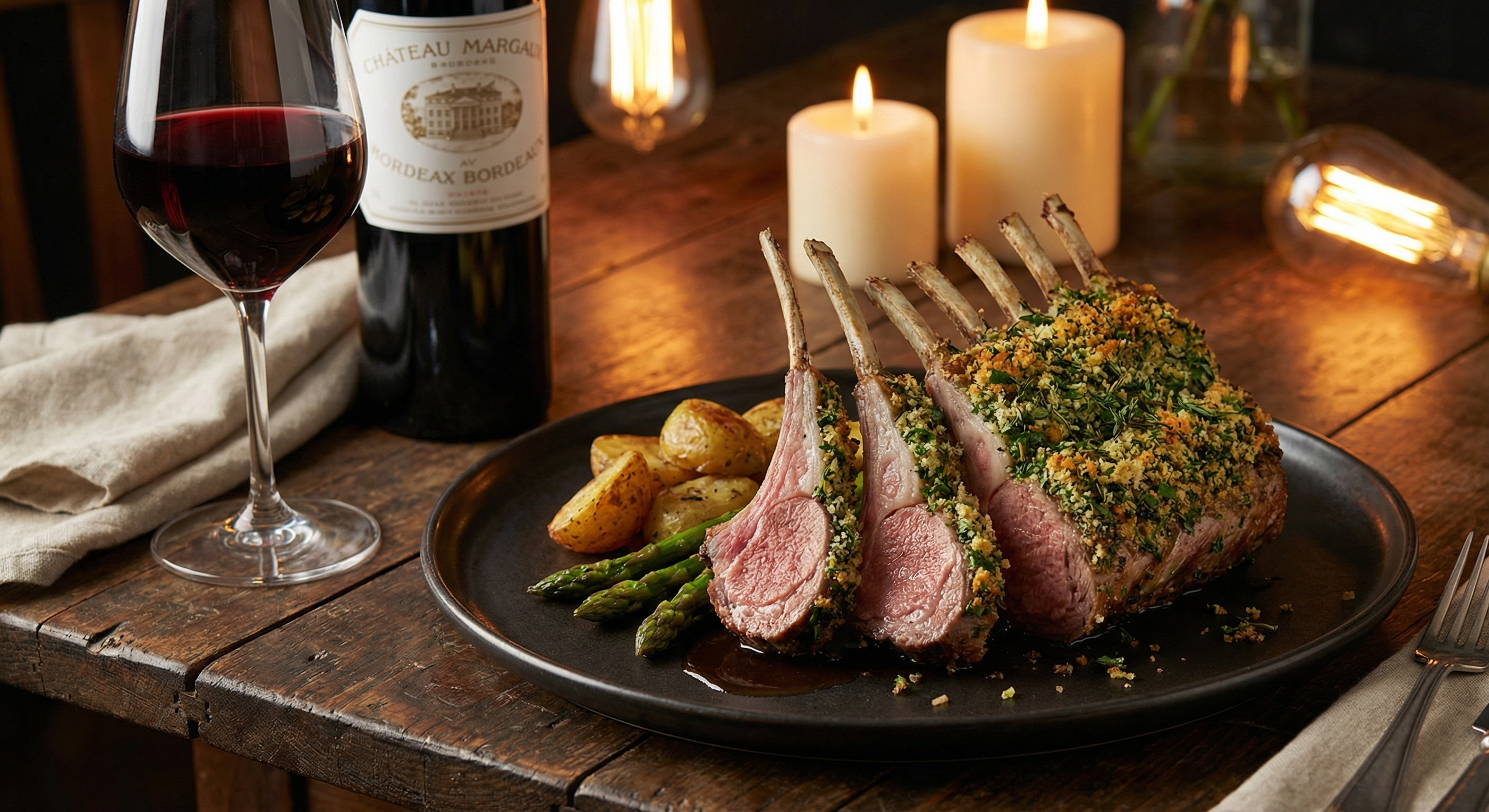
Lamb and red wine have been paired together for thousands of years — long before anyone wrote a sommelier textbook. There is something ancient and intuitive about the combination. The rich, slightly gamy character of lamb finds its perfect counterbalance in the tannins, acidity, and fruit of a well-chosen red wine.
But not all lamb cuts are created equal, and neither are all red wines. A delicate lamb chop calls for a very different bottle than a slow-braised shank. After years of testing pairings across every lamb preparation imaginable, I have distilled the results into this cut-by-cut guide. No guesswork — just proven combinations that work.
Why Lamb and Red Wine Pair So Well
The science behind this pairing is elegant in its simplicity. Lamb contains higher levels of branched-chain fatty acids than beef, giving it that distinctive flavor many describe as "gamy" or "earthy." These compounds interact beautifully with the tannins and phenolic compounds in red wine.
Here is what happens on your palate:
- Tannins bind to lamb fat: Cutting through the richness and resetting your palate for the next bite
- Wine acidity lifts lamb's earthiness: Preventing the flavors from becoming heavy or monotonous
- Herbal compounds in wine echo lamb seasonings: Rosemary, thyme, and garlic are classic lamb herbs — many red wines contain similar aromatic compounds naturally
This is why the pairing feels so instinctive. The flavors were made for each other.
Rack of Lamb: Bordeaux and Cabernet Blends
Rack of lamb is the crown jewel — tender, elegant, usually served with a rosemary or herb crust, cooked to a rosy medium-rare. It demands a wine with equal refinement.
Why Bordeaux works: A Left Bank Bordeaux (Cabernet Sauvignon-dominant blend with Merlot, Cabernet Franc, and Petit Verdot) offers structured tannins that handle the lamb fat, plus cedar, tobacco, and black currant notes that harmonize with herb crusts. The wine's complexity matches the cut's elegance without overwhelming its delicate flavor.
Best picks:
- Classified Bordeaux (Saint-Julien, Pauillac): The benchmark. Structured, age-worthy, complex. A 10-year-old Pauillac with rack of lamb is a desert-island pairing.
- Napa Valley Cabernet Blend: Riper fruit, more accessible tannins, but the same structural compatibility. Excellent for herb-crusted preparations.
- Coonawarra Cabernet (Australia): Eucalyptus and mint notes that literally echo the herb crust. An underrated pairing.
Serving note: Decant the Bordeaux 30-60 minutes before serving. Young Bordeaux can be aggressively tannic — aeration softens the tannins and lets the aromatic complexity emerge, creating a more harmonious pairing.
Lamb Chops: Rioja and Tempranillo
Lamb chops are smaller, more casual, often grilled quickly over high heat. They develop beautiful char while staying pink inside. The slightly smoky, charred exterior changes the pairing dynamic.
Why Rioja works: Spanish Tempranillo — especially Rioja Reserva or Gran Reserva — brings leather, dried fruit, vanilla from oak aging, and moderate tannins that complement grilled lamb without fighting it. The wine's savory character echoes the smoky char.
Best picks:
- Rioja Reserva: Minimum 3 years aging, including 1 in oak. The sweet spot for lamb chops — enough complexity to be interesting, enough fruit to be approachable.
- Ribera del Duero: Bolder, more structured than Rioja, with dark fruit and spice. Excellent when the chops have a strong seasoning rub.
- Garnacha (Grenache) from Priorat: Old-vine Garnacha brings rich, concentrated fruit with mineral notes. Its warmth complements grilled preparations beautifully.
Why not Cabernet? You can absolutely drink Cabernet with lamb chops, but Tempranillo's earthy, savory profile is a more natural match for the casual, charred nature of the cut. Save the Bordeaux for the rack.
Leg of Lamb: Côtes du Rhône and GSM Blends
A roasted leg of lamb is a communal affair — a Sunday centerpiece surrounded by roasted vegetables and potatoes. It is hearty, deeply flavored, and feeds a crowd. The wine should match that generous spirit.
Why Côtes du Rhône works: Southern Rhône blends (Grenache, Syrah, Mourvèdre — the "GSM" blend) offer generous fruit, warm spice, and herbs de Provence aromatics that mirror the roasted lamb's flavor profile. These wines are built for the table — approachable, food-friendly, and satisfying without being fussy.
Best picks:
- Côtes du Rhône Villages: A step up from basic Côtes du Rhône, with more concentration and character. Perfect value for a Sunday roast.
- Gigondas: Serious Southern Rhône with depth and structure. If your leg of lamb is the centerpiece of a special meal, this wine matches the occasion.
- Australian GSM blends (McLaren Vale, Barossa): Riper and bolder than the French originals, with plush fruit and spice that work beautifully with garlic-studded leg of lamb.
Preparation synergy: Stud the leg with garlic cloves and fresh rosemary before roasting. The aromatic compounds released during cooking echo the herbal notes in the wine, creating a bridge between plate and glass.
Lamb Shanks: Barolo and Nebbiolo
Braised lamb shanks are winter comfort food at its finest — falling-off-the-bone tender meat in a rich, aromatic braising liquid. The long cooking time develops deep, complex flavors that need an equally complex wine.
Why Barolo works: Nebbiolo from Barolo or Barbaresco has the rare combination of high tannins, high acidity, and aromatic complexity. The tannins cut through the braised lamb's gelatin-rich sauce. The acidity lifts the heavy flavors. And the wine's trademark notes of tar, roses, dried cherry, and truffle create an unforgettable pairing with the braised meat.
Best picks:
- Barolo: The king of Italian wine. Needs 8-10 years of aging to fully soften, but even younger bottles have the structure for braised lamb.
- Barbaresco: Barolo's slightly more approachable sibling. Softer tannins, earlier drinking, but the same aromatic magic.
- Langhe Nebbiolo: The affordable entry point. Less structure than Barolo but the same grape character. Excellent for weeknight braised shanks.
Cooking tip: Braise the shanks in Nebbiolo (or any dry red wine). When the braising liquid becomes the sauce and the same wine is in your glass, the pairing achieves perfect harmony.
Ground Lamb: Zinfandel and Bold Reds
Ground lamb shows up in burgers, kofta, moussaka, shepherd's pie, and Mediterranean dishes. The flavors are bold, often spiced, and the preparations are casual. The wine should match that energy.
Why Zinfandel works: California Zinfandel's jammy fruit, peppery spice, and moderate tannins complement the bold flavors of seasoned ground lamb without being too serious. It is a cookout wine, a Tuesday-night wine, a "let's not overthink this" wine.
Best picks:
- Dry Creek Valley Zinfandel: Balanced, peppery, not too heavy. Perfect for lamb burgers.
- Primitivo (Southern Italy): Same grape, different expression. Riper, slightly sweeter fruit. Works beautifully with spiced lamb preparations.
- Monastrell (Jumilla, Spain): Inky, bold, with dark fruit and earth. A natural fit for heavily spiced ground lamb dishes like kofta.
Lamb Shoulder: Malbec and Argentine Reds
Slow-roasted lamb shoulder is rich, fatty, and intensely flavored. The connective tissue breaks down into gelatin, creating a luscious texture that needs a wine with body and fruit to match.
Why Malbec works: Argentine Malbec's velvety texture, dark plum fruit, and moderate tannins mirror the shoulder's rich, soft character. The wine doesn't fight the fat — it complements it, creating a pairing that feels indulgent but balanced.
Best picks:
- Mendoza Malbec (Uco Valley): Higher elevation vineyards produce Malbecs with more acidity and freshness — exactly what you need to cut through rich shoulder meat.
- Cahors Malbec (France): The original Malbec homeland. Earthier, more tannic, with less fruit. Excellent for rosemary-heavy preparations.
Wine Pairing Quick Reference
| Lamb Cut | Best Wine | Why It Works |
|---|---|---|
| Rack of Lamb | Bordeaux / Cabernet Blend | Structured elegance matches refined cut |
| Lamb Chops | Rioja Reserva / Tempranillo | Savory, oaky notes complement char |
| Leg of Lamb | Côtes du Rhône / GSM Blend | Generous herbs and fruit for communal roast |
| Lamb Shanks | Barolo / Nebbiolo | High tannins + acidity cut braised richness |
| Ground Lamb | Zinfandel / Primitivo | Bold fruit matches bold spices |
| Lamb Shoulder | Malbec | Velvety texture mirrors slow-roasted richness |
The Herb Connection
One of the reasons lamb and red wine pair so beautifully is the herb bridge. Classic lamb seasonings — rosemary, thyme, oregano, mint, garlic — contain many of the same aromatic compounds found in red wine grapes and their aging environments.
Rosemary shares terpene compounds with Cabernet Sauvignon and Syrah. When you roast lamb with rosemary and drink a Bordeaux, the aromatic overlap creates a seamless experience.
Thyme contains thymol and carvacrol, which echo the herbal qualities in Rhône-style wines. This is why Côtes du Rhône and herb-roasted lamb feel like they were born together.
Mint — the classic lamb condiment — finds its wine counterpart in cool-climate Cabernet and Coonawarra reds, which naturally express eucalyptus and menthol notes.
Temperature and Service
Serve your red wine slightly cooler than room temperature for the best lamb pairing:
- Bordeaux and Cabernet: 62-65°F (17-18°C)
- Rioja and Tempranillo: 60-64°F (16-18°C)
- Côtes du Rhône: 60-65°F (16-18°C)
- Barolo: 60-64°F (16-18°C)
If your wine has been at room temperature, 15 minutes in the refrigerator brings it to the ideal range. Too warm and the alcohol dominates; too cold and the tannins become harsh.
When Lamb Meets Wagyu
For those who love both lamb and premium beef, the pairing principles overlap significantly. Many of the wines recommended here — Bordeaux, Barolo, Rhône blends — also work beautifully with quality beef. If you are planning a dinner that features both lamb and American wagyu from The Meatery, a versatile Châteauneuf-du-Pape or aged Bordeaux will handle both proteins gracefully.
Final Thoughts
The key to pairing wine with lamb is matching intensity to intensity. Delicate cuts deserve elegant wines. Rustic preparations call for bold, generous reds. And braised dishes need wines with enough structure to cut through richness.
Start with the quick reference chart above, experiment with the regional suggestions, and trust your palate. The best pairing is the one you enjoy most — but these combinations will give you a very strong starting point.
Related Guides
- Best Wine with Steak — Our comprehensive steak and wine pairing guide
- Best Wine for Wagyu Steak — Special considerations for wagyu marbling
- Sauce Pairing Guide — How sauces change your wine strategy
Frequently Asked Questions
What is the best wine to pair with lamb?
The best wine depends on the cut. Bordeaux or Cabernet blends pair best with rack of lamb. Rioja Reserva complements grilled lamb chops. Côtes du Rhône is ideal for roasted leg of lamb. Barolo is the classic match for braised lamb shanks. Match the wine intensity to the cut richness.
Can I pair white wine with lamb?
While red wine is the traditional and generally superior match, a full-bodied white like oaked Viognier can work with lighter lamb preparations such as grilled lamb chops with lemon. Rosé from Provence is also an excellent warm-weather alternative for herb-crusted lamb.
Why does Bordeaux pair so well with lamb?
Bordeaux Cabernet Sauvignon blends contain cedar, tobacco, and herbal compounds that naturally echo classic lamb seasonings like rosemary and thyme. The structured tannins cut through lamb fat while the wine acidity lifts the meat earthy flavors, creating balance.
What wine goes with lamb shanks?
Barolo or Barbaresco from Italy is the gold standard for braised lamb shanks. Nebbiolo high tannins and acidity cut through the rich, gelatin-heavy braising liquid, while its complex aromatics of tar, roses, and dried cherry create an unforgettable pairing.
Should I cook lamb in the same wine I drink with it?
Yes, this is an excellent strategy. Braising lamb shanks in Nebbiolo and drinking Barolo alongside creates perfect harmony since the braising liquid becomes the sauce. Use a less expensive version of the same grape for cooking — Langhe Nebbiolo for braising, Barolo for drinking.
More Pairing Guides
Best Bourbon for Pork Ribs vs Beef Ribs: Complete Pairing Guide
Pork ribs and beef ribs aren't interchangeable when it comes to bourbon pairing. Fat content, smoke intensity, and flavor depth determine which bottle works best. Here's the complete breakdown.
12 min readBest Bourbon for BBQ Ribs: 7 Perfect Pairings (Tasted & Ranked)
Not every bourbon works with every style of ribs. Here are 7 bourbon pairings ranked by rib type, sauce style, and smoke profile — with specific bottles tested against real BBQ.
10 min readBest Wine with Tri-Tip: Expert Pairing Guide
Tri-tip demands wines with enough structure to match its intensity while complementing its smoky, savory profile.