Deglazing Pan Sauce Techniques: A Chef's Complete Guide
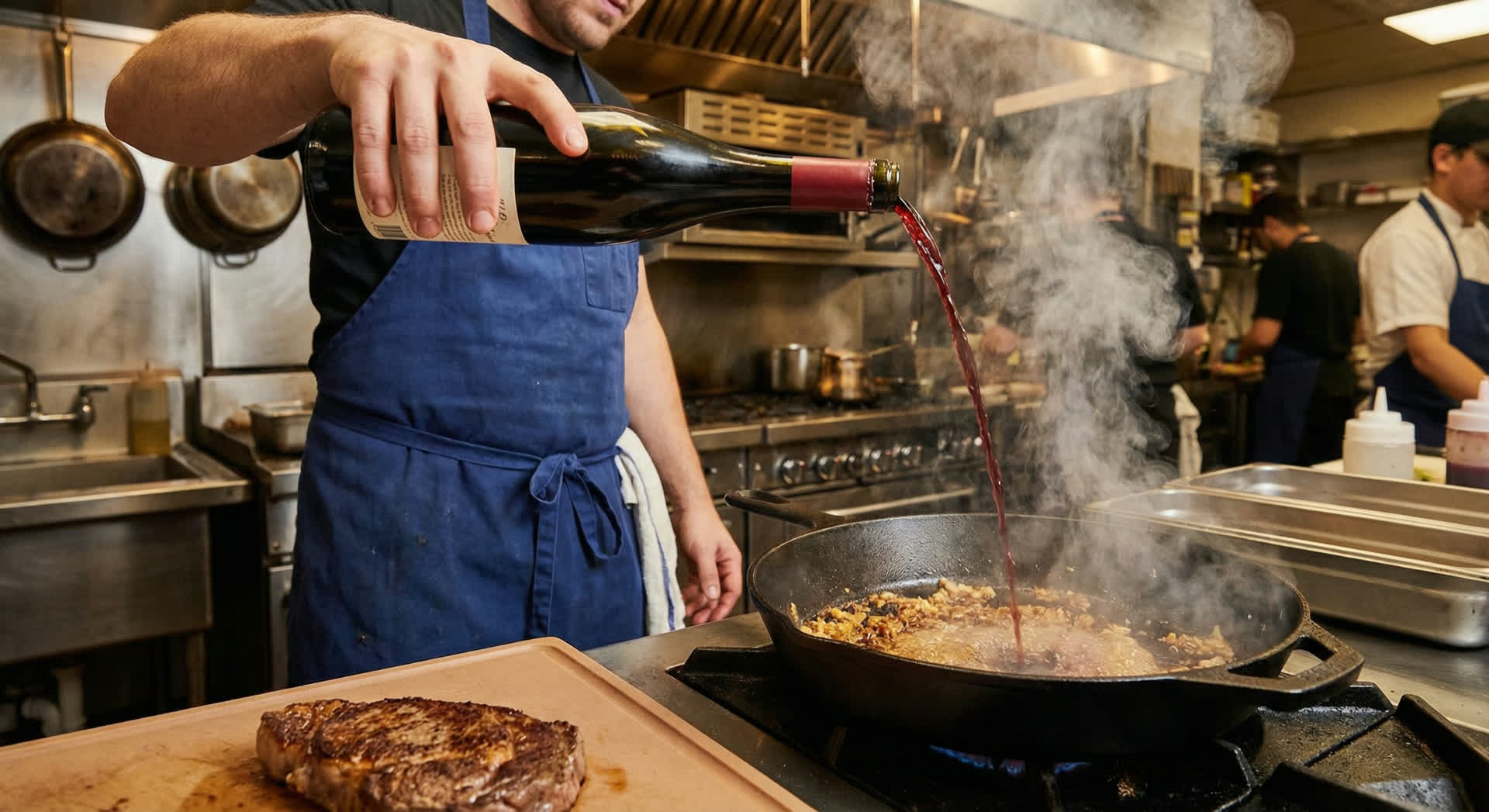
Deglazing Pan Sauce Techniques: A Chef's Complete Guide
After twenty-five years in professional kitchens—from Michelin-starred restaurants to bustling bistros—I can tell you that the difference between home-cooked steak and restaurant-quality steak often comes down to one technique: deglazing. That moment when you pour liquid into a screaming-hot pan and watch it bubble furiously, releasing concentrated flavor that becomes the foundation of an extraordinary sauce.
Most home cooks miss this step entirely. They pan-sear a beautiful ribeye, plate it, and call it done. Meanwhile, they've left the most flavorful part of the entire cooking process stuck to the bottom of the pan—the fond. That golden-brown crust of caramelized proteins and sugars contains more concentrated flavor than anything you can buy in a bottle.
Let me teach you how to capture that flavor, transform it into restaurant-caliber pan sauces, and elevate your steak game permanently.
Understanding Fond: The Science of Pan Drippings
Before we talk about deglazing, you need to understand what you're deglazing and why it's so valuable.
What Is Fond?
Fond (from the French word for "foundation" or "base") is the browned, caramelized layer of proteins, sugars, and rendered fat that adheres to the pan surface after searing meat. When you cook a steak at high heat, the Maillard reaction and caramelization occur not just on the meat's surface but also where meat juices and fat contact the pan.
These reactions create hundreds of flavor compounds—savory, sweet, nutty, roasted—that would otherwise be lost if you simply discarded the pan or washed it immediately. Fond is essentially concentrated, dehydrated flavor waiting to be reconstituted.
The Chemistry
Fond forms through several simultaneous processes:
- Maillard reactions: Amino acids and reducing sugars react at high heat (above 280°F), creating complex savory compounds
- Caramelization: Natural sugars in meat juices break down and polymerize, creating sweet, bitter, and nutty flavors
- Fat rendering: Intramuscular fat melts and concentrates on the pan surface, carrying fat-soluble flavor molecules
- Dehydration: Moisture evaporates, leaving concentrated flavor compounds adhered to the pan
The result is a layer of intensely flavored, water-soluble material that's easily dissolved when you add liquid—that's deglazing.
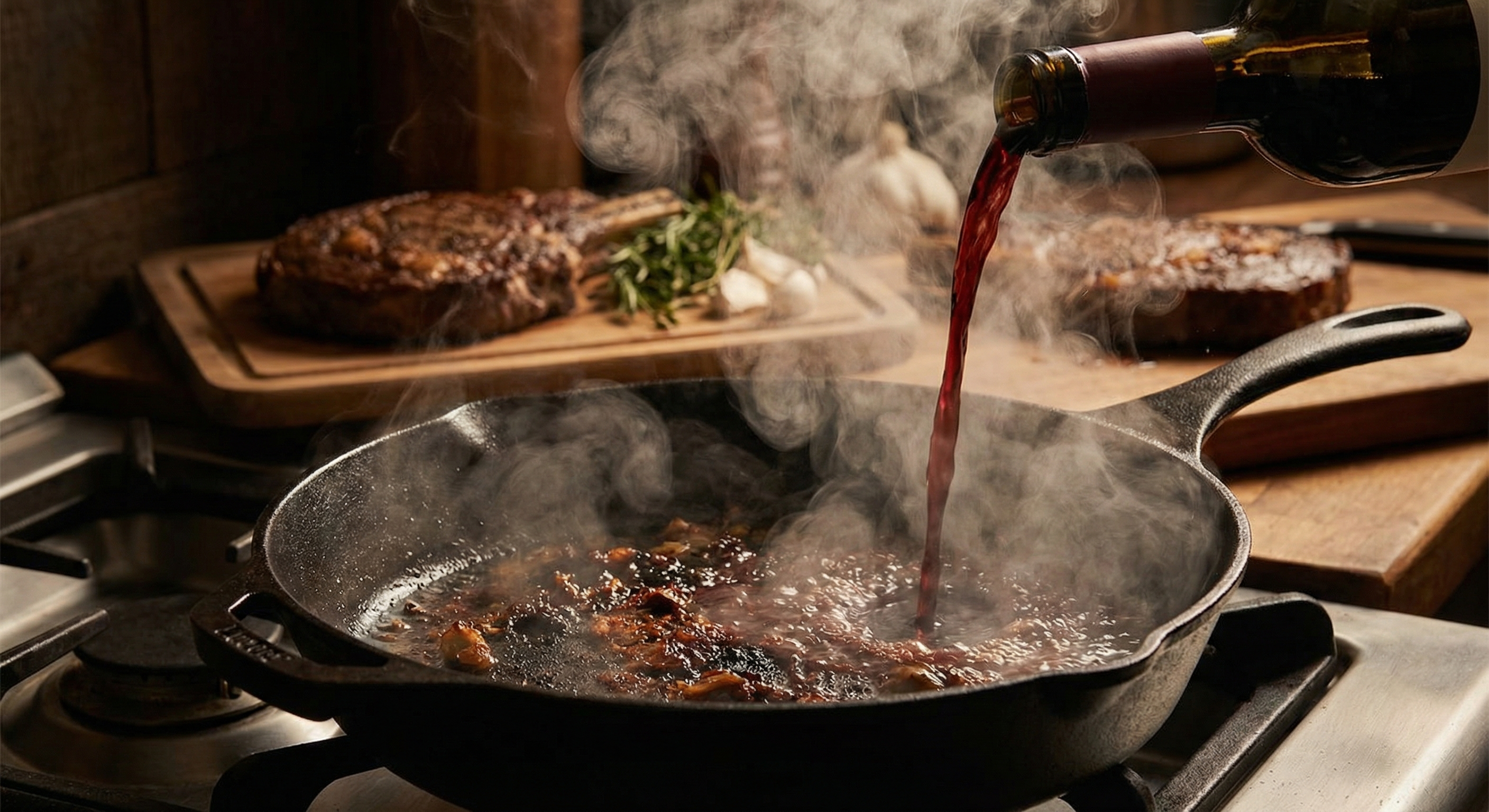
Building Better Fond
Not all fond is created equal. Here's how to maximize it:
1. Use the Right Pan
Stainless steel or carbon steel pans build the best fond because they don't have nonstick coatings. The slight "sticking" that occurs during searing is actually fond formation—embrace it. Cast iron works but retains heat so aggressively that you risk burning the fond before you can deglaze.
2. Get the Pan Hot Enough
Medium-high to high heat (pan surface around 400-450°F) creates the Maillard reactions necessary for flavorful fond. Too low, and you get pale, flavorless residue instead of golden-brown flavor crystals.
3. Don't Overcrowd
Overcrowding drops pan temperature and creates steam, preventing fond formation. Leave space between your steaks. Cook in batches if necessary.
4. Let It Brown (But Not Burn)
Golden to medium-brown fond is perfect—intensely flavored but not bitter. Dark brown to black fond has crossed into burnt territory and will make bitter sauces. If your fond is getting too dark, reduce heat or deglaze earlier.
5. Fat Matters
Cooking well-marbled steaks creates richer fond than cooking lean cuts because rendered fat carries flavor compounds. A tablespoon of butter or oil in the pan also helps, but the meat's natural fat is ideal.
The Deglazing Process: Step-by-Step
Now that you understand fond, let's master the technique that transforms it into sauce.
Step 1: Remove the Protein
After searing your steak, chicken, pork chops, or whatever protein you're cooking, remove it from the pan and set it aside to rest. Don't wipe the pan—you want all that beautiful fond intact. If there's excessive grease (more than 2-3 tablespoons), pour off the excess, but leave a thin coating of fat.
Step 2: Control Your Heat
Reduce heat to medium or medium-low. The pan is screaming hot from searing—if you deglaze at full heat, your liquid will evaporate before it can dissolve the fond, and you'll scorch everything.
Wait 30-60 seconds for the pan to cool slightly. You want it hot enough to create immediate bubbling when liquid hits, but not so hot that it evaporates instantly.
Step 3: Add Your Deglazing Liquid
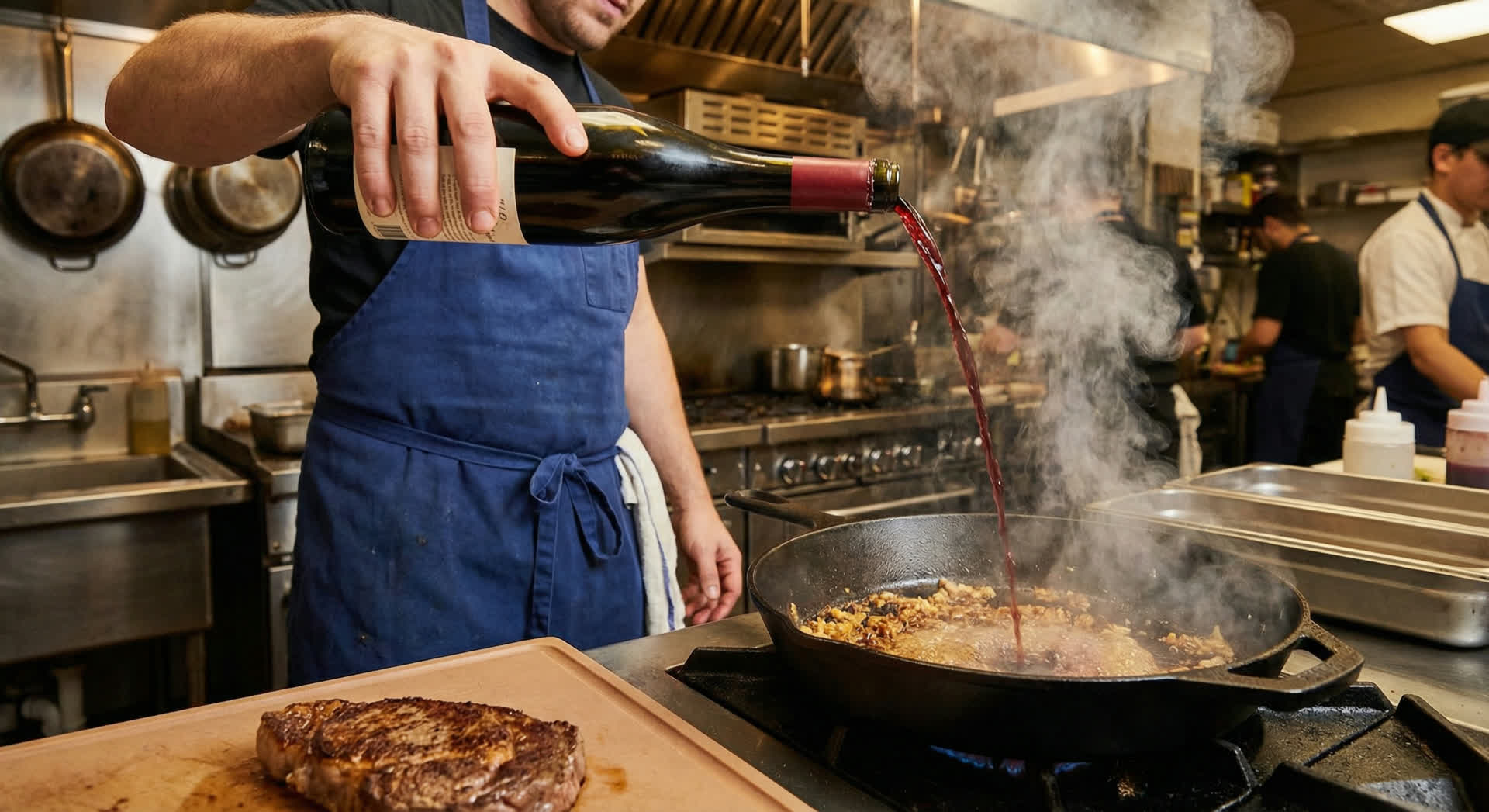
Pour in your chosen liquid (we'll discuss options shortly). Start with about 1/2 cup for a 10-12 inch pan. The liquid should bubble vigorously and steam immediately.
Here's the critical moment: as the liquid hits the hot pan, it dissolves the water-soluble fond compounds and carries them into suspension. This is why you hear that dramatic sizzle—it's rapid phase change from liquid to steam, and that turbulence is mechanically lifting fond into the liquid.
Step 4: Scrape and Agitate
Immediately grab a wooden spoon or heatproof spatula and scrape the bottom of the pan. Use firm pressure to dislodge stubborn fond. You should see the liquid changing color as it picks up the browned bits—that's exactly what you want.
Don't be gentle. Really work those stuck-on bits. Within 30-60 seconds of active scraping and stirring, the fond should be completely dissolved into the liquid, and your pan bottom should be relatively clean.
Step 5: Reduce and Build the Sauce
Once the fond is dissolved, you have your base. Now you build the sauce:
- Let the liquid reduce by half (or more) to concentrate flavors
- Add aromatics (shallots, garlic, herbs) if desired
- Incorporate stock, cream, or butter to adjust consistency and richness
- Season with salt, pepper, and acid (lemon juice, vinegar) to balance
The exact process varies by sauce type, but the deglazing step remains constant: hot pan + liquid + scraping = dissolved fond.
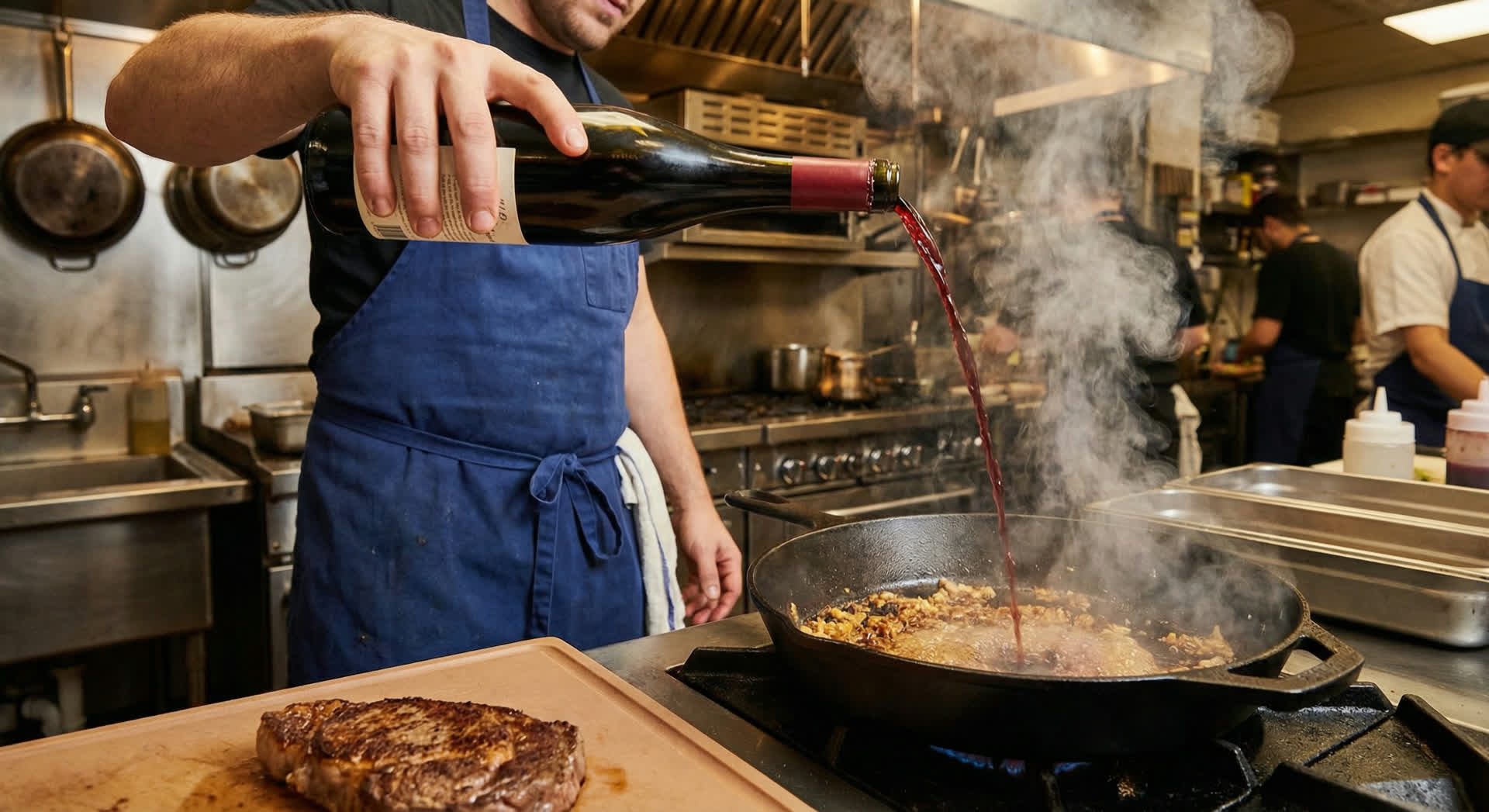
Wine Deglazing: Classic French Technique
Wine is the classic deglazing liquid for a reason—it brings acidity, complexity, and elegance that complements beef beautifully.
Choosing Your Wine
Red wine for red meat: The tannins and darker fruit notes in red wine complement beef, lamb, and game. Use something you'd actually drink—if it's not good enough to drink, it's not good enough to cook with. A $12-15 bottle of Cabernet, Merlot, or Côtes du Rhône is perfect. Avoid heavily oaked wines, which can turn bitter when reduced.
White wine for poultry and pork: White wine's brighter acidity and lighter flavor profile work better for chicken, pork, and veal. Dry whites like Sauvignon Blanc, unoaked Chardonnay, or Pinot Grigio are workhorses. Avoid sweet whites unless you're deliberately making a sweet-savory sauce.
Dry sherry or Madeira for depth: These fortified wines add nutty, complex notes. They're less common but create sophisticated sauces with deeper flavor than table wine alone.
The Wine Deglazing Technique
- Remove protein, reduce heat to medium
- Pour in 3/4 cup dry red wine (for beef) or white wine (for chicken/pork)
- Scrape vigorously as it bubbles
- Let reduce by two-thirds (about 3-4 minutes), until slightly syrupy
- Add 1 cup beef or chicken stock
- Reduce again by half (3-4 minutes more)
- Swirl in 2-3 tablespoons cold butter (this is called "mounting" the sauce)
- Season with salt, pepper, and fresh herbs
The wine's alcohol cooks off during reduction, leaving concentrated fruit flavors and acidity that balance the rich, savory fond. The stock extends the sauce and adds body. The butter creates a silky, restaurant-quality texture through emulsification.
Common Wine Deglazing Mistakes
Using cooking wine: Don't. "Cooking wine" is salted, low-quality garbage. Use actual wine.
Not reducing enough: If you skip the reduction step, your sauce tastes raw and alcoholic. You need to cook off the alcohol and concentrate the flavors—this takes time.
Adding wine to a too-hot pan: The alcohol can ignite (flambé). While this looks dramatic, it can singe your eyebrows and scorch your sauce. Reduce heat first.
Stock Deglazing: Building Body and Depth
Stock-based deglazing creates sauces with deeper, more savory character and fuller body than wine alone.
Types of Stock for Deglazing
Beef stock: Rich, full-flavored, perfect for beef. Use homemade if you have it, or quality store-bought (low-sodium so you control seasoning). Veal stock is even better but harder to find.
Chicken stock: Lighter, more neutral. Works for any protein but especially good for chicken, pork, and veal. The universal stock for pan sauces.
Vegetable stock: Lighter still, good for vegetarian applications or when you want the fond flavor to dominate without additional meat flavor.
Demi-glace: Reduced, concentrated stock with incredible body and flavor. It's expensive and time-consuming to make, but a tablespoon added to any sauce creates instant richness. Commercial demi-glace products (More Than Gourmet, etc.) are worthwhile.
Stock Deglazing Technique
- Remove protein, reduce heat to medium
- Optional: sauté minced shallot or garlic in the fond-coated pan for 30 seconds
- Pour in 1 cup stock (beef for beef, chicken for everything else)
- Scrape vigorously to dissolve fond
- Reduce by half (5-7 minutes) until slightly thickened
- Add aromatics: fresh thyme, rosemary, or a bay leaf
- Optional: add a splash of cream or swirl in butter for richness
- Season with salt, pepper, and a squeeze of lemon juice
Stock creates sauces with more body than wine-only versions because of the gelatin dissolved from bones during stock-making. This natural gelatin gives the sauce a silky, coating texture without needing cream or excessive butter.
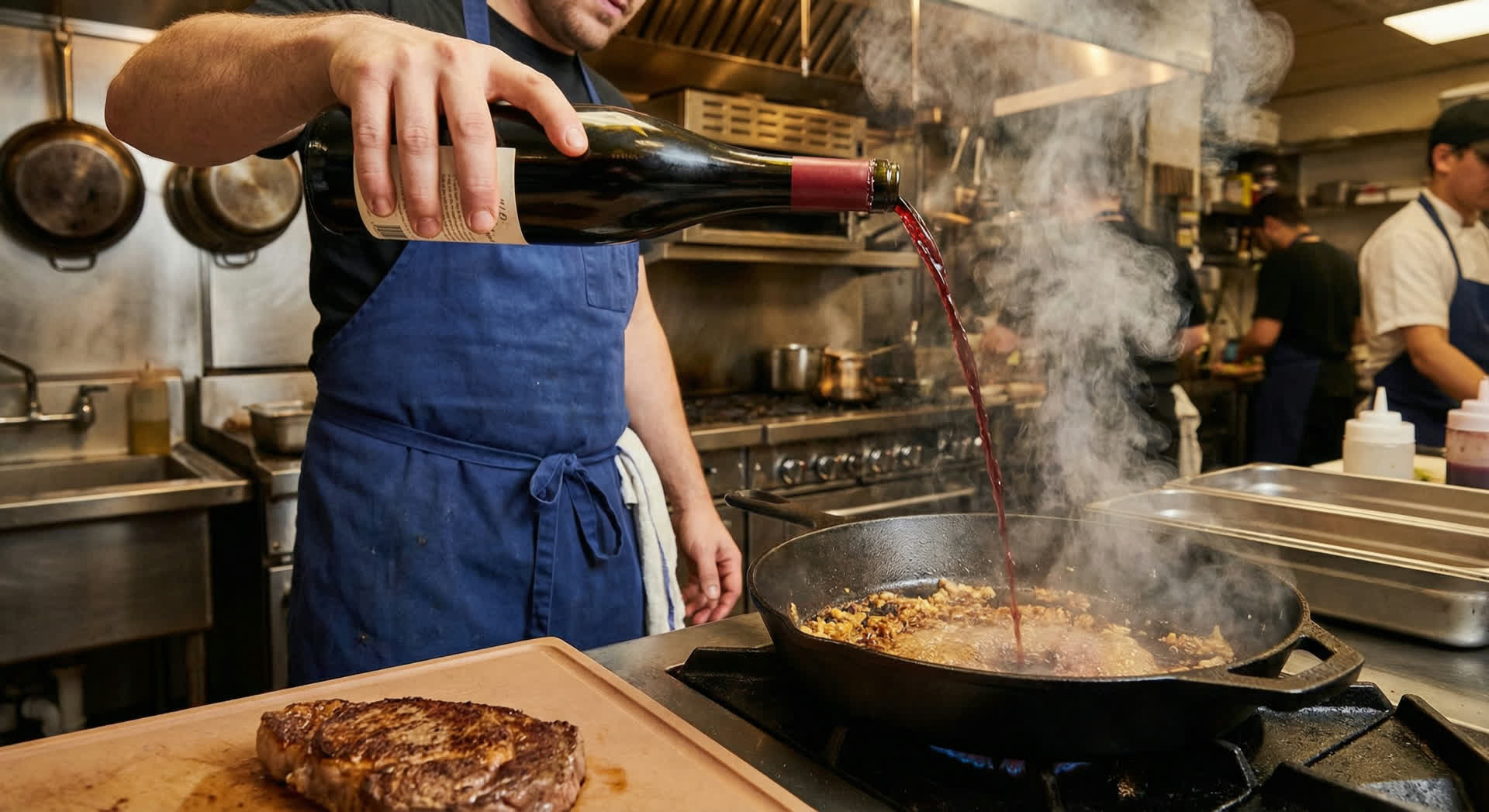
Spirit Deglazing: Bold Flavors for Special Occasions
Spirits bring concentrated flavor and dramatic flair to pan sauces. Use them carefully—a little goes a long way.
Best Spirits for Deglazing
Cognac or brandy: Classic French choice. Creates sophisticated, slightly sweet sauces with warm, fruity notes. Perfect for steak au poivre or pork medallions.
Bourbon or whiskey: American twist with vanilla, oak, and caramel notes. Excellent with pork chops or duck breast. The sweetness complements fatty meats.
Scotch: Smoky, peaty character that works surprisingly well with beef. Use sparingly—it's assertive.
Calvados (apple brandy): Elegant apple notes that pair beautifully with pork and chicken. A Norman specialty.
Rum: Dark rum adds molasses and spice notes. Unconventional but delicious with pork or duck.
Spirit Deglazing Technique
- Remove protein, reduce heat to medium-low (important—spirits are high-alcohol and can ignite easily)
- Pour in 1/4 cup spirit (Cognac, bourbon, etc.)
- Stand back—it may ignite (flambé). If it does, let it burn out naturally (about 15-30 seconds)
- Once flames subside (or if it doesn't ignite), scrape vigorously
- Add 1 cup stock to extend the sauce
- Reduce by half (5-6 minutes)
- Finish with cream, butter, or both
- Season and serve
The high alcohol content in spirits means you're adding intense flavor in a small volume. The flambé (if it occurs) burns off raw alcohol and leaves concentrated spirit character behind. Always follow spirits with stock or cream to balance the intensity.
Safety Note
Flambéing can be dangerous if done improperly. Never pour spirits directly from the bottle into the pan—transfer to a small measuring cup first. Keep your face and hair away from the pan. Have a lid nearby to smother flames if needed. If you're nervous about flambé, simply add the spirit, let it bubble and reduce completely, then proceed—you'll still get excellent flavor.
Five Classic Pan Sauces for Steak
Now let's put it all together with five restaurant-quality sauces you can make in the time it takes your steak to rest.
1. Red Wine Reduction (Bordelaise-Style)
The classic French bistro sauce—simple, elegant, and foolproof.
Method:
- Deglaze pan with 3/4 cup dry red wine (Cabernet, Merlot)
- Add 1 minced shallot while wine reduces by two-thirds
- Add 1 cup beef stock
- Reduce by half
- Add 1 sprig fresh thyme, 1 small bay leaf
- Reduce until lightly syrupy (coats a spoon)
- Remove herbs, swirl in 3 tablespoons cold butter
- Season with salt, pepper, touch of lemon juice
Pairing: Perfect for any quality steak, especially strip loin or ribeye.
2. Cognac Cream Sauce (Steak au Poivre)
Rich, indulgent, and restaurant-fancy. This is date-night sauce.
Method:
- After searing pepper-crusted steak, reduce heat to medium-low
- Carefully add 1/4 cup Cognac or brandy (may flambé—let it burn out)
- Scrape fond thoroughly
- Add 1 cup beef stock
- Reduce by half
- Add 1/2 cup heavy cream
- Reduce until thick enough to coat the back of a spoon
- Swirl in 2 tablespoons butter
- Season with salt (the pepper crust provides plenty of pepper)
Pairing: Filet mignon or strip steak with cracked black pepper crust.
3. Shallot-Herb Butter Sauce
Quick, simple, and deeply satisfying. The sauce I make most often at home.
Method:
- Deglaze with 1/2 cup dry white wine or chicken stock
- Add 2 minced shallots, cook 1 minute
- Add 1/2 cup chicken or beef stock
- Reduce by half
- Swirl in 4 tablespoons cold butter, one tablespoon at a time
- Stir in 2 tablespoons mixed fresh herbs (parsley, chives, tarragon)
- Season with salt, pepper, lemon juice
Pairing: Versatile—works with any cut of beef, pork chops, or chicken.
4. Balsamic Reduction
Sweet, tangy, and modern. This sauce has a little more acidity than traditional French versions.
Method:
- Deglaze with 1/2 cup balsamic vinegar
- Add 2 tablespoons brown sugar or honey
- Reduce by two-thirds until thick and syrupy (watch carefully—it can burn)
- Add 1 cup beef stock
- Reduce by half
- Swirl in 2 tablespoons butter
- Season with black pepper (often doesn't need salt—balsamic is already flavorful)
Pairing: Excellent with fattier cuts like ribeye or wagyu—the acidity cuts richness beautifully.
5. Mushroom-Red Wine Sauce
Earthy, hearty, and deeply flavored. This is a more substantial sauce.
Method:
- After removing steak, sauté 8 oz sliced mushrooms in the fond-coated pan until golden (3-4 minutes)
- Add 2 minced shallots, cook 1 minute
- Deglaze with 3/4 cup red wine
- Reduce by half
- Add 1 cup beef stock
- Reduce by half again
- Add 2 tablespoons cold butter, fresh thyme
- Season with salt and pepper
Pairing: Perfect with strip steak or sirloin. The mushrooms add textural interest and earthy flavor.
Advanced Techniques and Tips
Mounting with Butter (Monter au Beurre)
This French technique creates silky, glossy sauces with restaurant-quality texture. The key is adding cold butter off-heat while swirling the pan constantly. The butter emulsifies into the sauce rather than just melting, creating a stable, velvety texture.
How to do it:
- Remove pan from heat once sauce is reduced to desired consistency
- Add cold butter (1-2 tablespoons at a time) and swirl the pan continuously
- Don't stir—swirl in a circular motion
- The butter should blend into the sauce, not pool as melted fat
- Serve immediately (butter-mounted sauces break if reheated)
Preventing Bitter Sauces
Bitterness usually comes from burnt fond or over-reduced wine. To avoid:
- Watch your fond carefully—golden to medium brown is perfect, dark brown to black is burnt
- If fond starts burning, deglaze immediately even if your protein isn't fully cooked
- Don't reduce wine to a syrup—leave some liquid volume
- Balance reduction with stock, cream, or butter to mellow intensity
- Add a pinch of sugar if your sauce is slightly bitter—it balances acidity and bitterness
Thickening Pan Sauces
Reduction creates natural thickness through evaporation and concentration. But if you want more body:
Butter: Creates silky texture through emulsification (best option)
Cream: Adds richness and body; reduce after adding to thicken further
Cornstarch slurry: Mix 1 teaspoon cornstarch with 2 teaspoons cold water, whisk into sauce, simmer 1 minute (works but less elegant than butter)
Flour roux: Sprinkle 1 teaspoon flour into the fond before deglazing, cook 1 minute, then add liquid (creates thicker, more gravy-like consistency)
Deglazing Without Alcohol
If you don't cook with alcohol or simply don't have wine on hand, you can still make excellent pan sauces:
- Stock alone: Use 1.5 cups stock instead of wine + stock. Reduce by two-thirds for concentration.
- Balsamic vinegar + stock: Use 1/4 cup balsamic with 1 cup stock for acidity and depth.
- Citrus juice + stock: Use 1/4 cup lemon or orange juice with 1 cup stock. Bright, clean flavors.
- Pomegranate or grape juice + stock: Unsweetened juice adds fruitiness similar to red wine. Use 1/3 cup juice to 1 cup stock.
Common Deglazing Mistakes and Fixes
Mistake #1: Deglazing a Nonstick Pan
Nonstick pans don't build fond—that's literally their purpose. You need a traditional stainless steel, carbon steel, or cast iron pan to get the stuck-on bits that make deglazing worthwhile.
Fix: Switch to stainless steel for searing. Reserve nonstick for eggs and fish.
Mistake #2: Adding Too Much Liquid
Drowning the pan means endless reducing time and diluted flavors. Start with 1/2-3/4 cup liquid, reduce it properly, then add more if needed.
Fix: Use less liquid, reduce it more aggressively, and taste as you go.
Mistake #3: Not Scraping Thoroughly
If you don't scrape, the fond stays on the pan and your sauce tastes weak. Really work that pan bottom with a wooden spoon.
Fix: Scrape harder. If bits aren't coming up, let the liquid simmer longer to soften stubborn fond.
Mistake #4: Serving Sauce Too Thin
Watery sauce doesn't coat the meat properly. Pan sauces should have body—they should coat the back of a spoon lightly.
Fix: Reduce more. If you're in a hurry, mount with extra butter or add a splash of cream.
Mistake #5: Over-Salting
As sauces reduce, salt concentrates. If you season early, you'll end up with a salt bomb.
Fix: Salt at the very end, after reduction is complete. Taste first—stock and fond both contain sodium.
Mistake #6: Letting the Sauce Sit
Pan sauces are best served immediately. They separate and lose texture as they sit, especially butter-mounted sauces.
Fix: Make the sauce while the steak rests (perfect timing), then serve immediately. If it must sit, keep warm and whisk before serving.
Frequently Asked Questions
What's the best pan for deglazing?
Stainless steel is ideal for deglazing because it develops excellent fond without being nonstick, distributes heat evenly, and is non-reactive (won't create off-flavors with wine or acidic ingredients). Carbon steel is a close second. Cast iron works but retains heat so intensely that fond can burn before you have a chance to deglaze. Avoid nonstick pans entirely—they don't build the fond necessary for proper pan sauces.
Can I deglaze with water if I don't have wine or stock?
Yes, but the results will be much less flavorful. Water will dissolve the fond mechanically, but it adds no additional flavor or body to the sauce. If using water, you'll need to compensate with aromatics (lots of shallots, garlic, herbs), butter, and aggressive seasoning. Better options: use chicken or vegetable stock, which are worth keeping on hand specifically for deglazing. Even a bouillon cube dissolved in water is better than plain water.
How do I know when my pan sauce is reduced enough?
A properly reduced pan sauce should coat the back of a spoon lightly—run your finger through it and the line should hold without the sauce immediately running back together. It should look glossy and slightly syrupy, not watery. Visual cue: when the sauce reduces, the bubbles change from large and rapid to small and slow. If you're unsure, reduce more—it's easier to thin a sauce (add stock) than to thicken one (requires more time reducing).
Why does my pan sauce taste bitter?
Bitterness comes from burnt fond or over-reduced wine. If your fond is dark brown to black before deglazing, it's already burnt and will make bitter sauce. Solution: watch your heat carefully during searing, and deglaze before fond burns. If wine is reduced to almost nothing, the concentrated tannins and acids can taste bitter. Solution: don't reduce wine to a dry pan—leave some liquid, then add stock to balance. A pinch of sugar can also rescue a slightly bitter sauce.
Can I make pan sauce ahead of time?
Pan sauces are best made fresh, but you can prepare components in advance. Make a wine reduction or stock base earlier in the day, refrigerate, then reheat gently and mount with butter just before serving. However, butter-mounted sauces don't reheat well—the emulsion breaks and the sauce separates. For make-ahead sauces, skip the butter and finish with cream instead, or add butter only when reheating just before service. Honestly, though, pan sauces are so quick (5-7 minutes) that making them fresh while your steak rests is usually best.
Conclusion: Transforming Pan Drippings into Liquid Gold
Deglazing is one of those techniques that seems fancy and chef-y but is actually shockingly simple once you understand the mechanics. Hot pan + liquid + scraping = dissolved fond. That's it. The rest is just choosing your liquids and building complementary flavors.
The next time you sear a beautiful steak, don't let that fond go to waste. Take three minutes to deglaze with wine, reduce it with stock, mount it with butter, and create a sauce that would cost $40 in a restaurant. It's not complicated. It's not intimidating. It's just good technique applied to ingredients you already have.
Start with the simple red wine reduction. Master that, then experiment with Cognac cream, balsamic reduction, or mushroom-wine sauce. Learn to read your pan—what golden-brown fond looks like versus burnt, when your reduction has gone far enough, how butter-mounting transforms texture.
This is restaurant cooking at home. This is the perfect pairing of technique and flavor. This is why people become chefs—because transforming humble pan drippings into something extraordinary never gets old.
Now go sear something and deglaze the hell out of it. Your steaks deserve better than bare plates.
— Marcus Thompson
Frequently Asked Questions
What is the best liquid for deglazing a pan after cooking steak?
Red wine is the classic choice for deglazing after cooking steak, providing acidity and complex flavor that complements beef beautifully. Use a dry red wine you would drink (Cabernet, Merlot, or Côtes du Rhône). For a non-alcoholic option, use beef stock with a splash of balsamic vinegar for acidity. The key is choosing a flavorful liquid that will dissolve the fond (browned bits) and create a balanced sauce. Always follow wine with stock for body, then finish with butter for silky texture.
How do you properly deglaze a pan without burning the sauce?
The key to proper deglazing is heat control. After removing your protein, reduce heat to medium or medium-low and wait 30-60 seconds for the pan to cool slightly. Add your liquid (wine, stock, etc.) and it should bubble vigorously but not evaporate instantly. Immediately scrape the pan bottom with a wooden spoon to dissolve the fond. If your pan is too hot, the liquid evaporates before dissolving the fond and can scorch. If too cool, it won't bubble enough to lift the fond effectively.
What is fond and why is it important for pan sauces?
Fond is the browned, caramelized layer of proteins, sugars, and fat that sticks to the pan after searing meat. It forms through Maillard reactions and caramelization, creating hundreds of concentrated flavor compounds. Fond is essentially dehydrated flavor—when you deglaze with liquid, these water-soluble compounds dissolve and become the foundation of your pan sauce. This is why restaurant pan sauces taste so much better than bottled sauces—they capture and concentrate the specific flavors from the protein you just cooked.
Can you deglaze a nonstick pan?
No, you cannot effectively deglaze a nonstick pan because nonstick coatings prevent fond formation—that's their entire purpose. Deglazing requires the browned, stuck-on bits that develop during high-heat searing, which only occur in traditional pans. For proper pan sauces, use stainless steel (best option), carbon steel, or cast iron pans. These materials allow fond to develop and are easily deglazed. Reserve nonstick pans for eggs, delicate fish, and other applications where you specifically don't want sticking.
How do you fix a pan sauce that tastes too bitter?
Bitterness in pan sauces typically comes from burnt fond or over-reduced wine. If caught early, add stock to dilute the bitterness and a pinch of sugar to balance the flavors. For prevention: watch your fond carefully during searing (golden-brown is perfect, dark brown to black is burnt), reduce heat if fond is darkening too quickly, and don't reduce wine to a completely dry pan—leave some liquid before adding stock. If fond is already burnt, discard it and start fresh rather than trying to salvage a bitter sauce.
More Pairing Guides
Best Cider with Pork: A Cut-by-Cut Pairing Guide
Cider and pork share centuries of history across English, French, and American tables. This guide matches cider styles to specific pork cuts, cooking methods, and sauces for pairings that actually work.
11 min readBest Porter and Stout for Beef: Complete Dark Beer Pairing Guide
Dark beers and beef share roasted, caramelized flavors that make them natural partners. Porter and stout bring sweetness, body, and complexity that complement everything from char-grilled ribeye to slow-smoked brisket.
10 min readBest Bourbon for Pork Ribs vs Beef Ribs: Complete Pairing Guide
Pork ribs and beef ribs aren't interchangeable when it comes to bourbon pairing. Fat content, smoke intensity, and flavor depth determine which bottle works best. Here's the complete breakdown.