Best Cheese for Steak: A Cut-by-Cut Pairing Guide
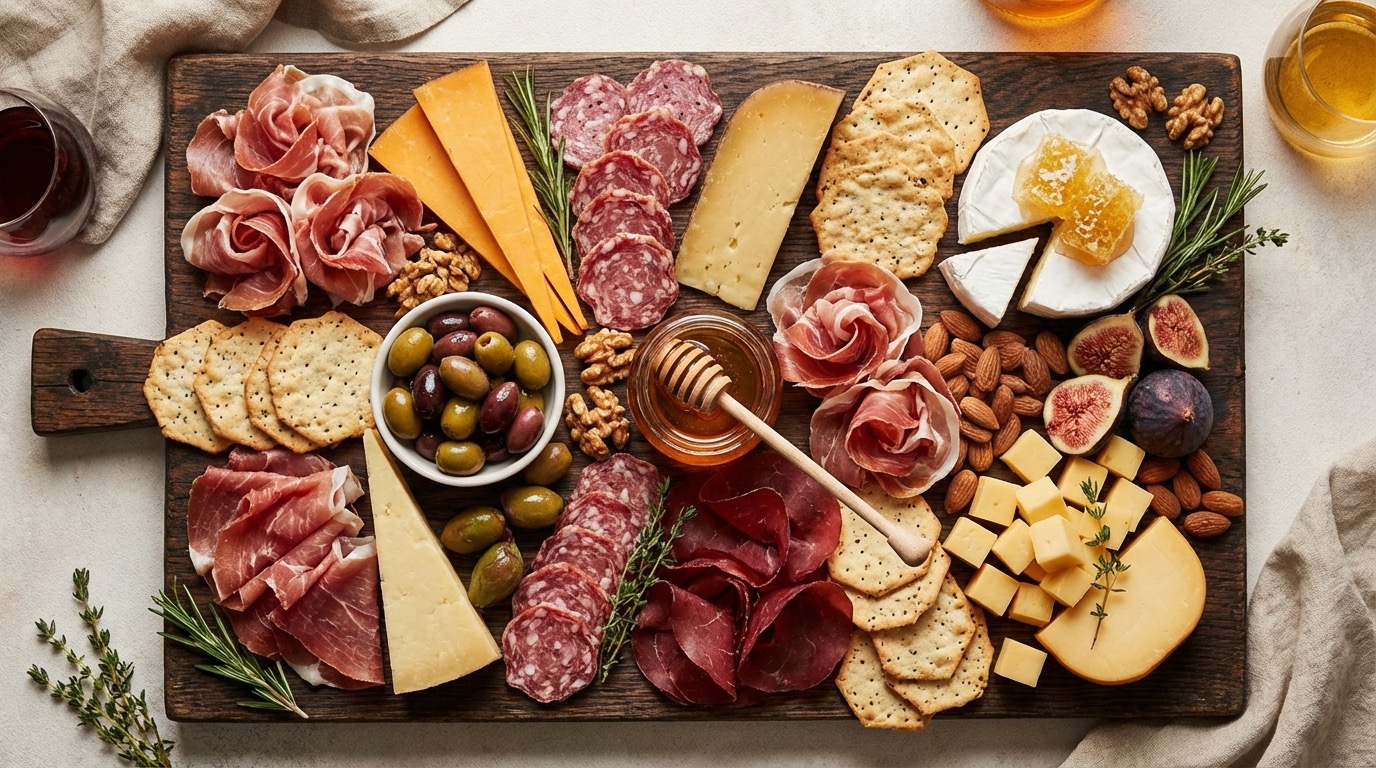
There's something almost primal about steak and cheese together. It's the combination behind Philly cheesesteaks, blue cheese–crusted ribeyes at steakhouses, and the simple pleasure of melting a slice of aged cheddar over a backyard burger. But when you move beyond the obvious and start matching specific cheeses to specific cuts, the pairing becomes genuinely transformative.
I've spent years testing cheese pairings across every major steak cut—at home, in restaurant kitchens, and at tasting events. This guide distills all of that into practical, cut-by-cut recommendations you can use tonight. No cheese-making jargon, no pretension. Just honest advice about what tastes incredible together and why.
Why Cheese and Steak Pair So Well
The science behind this pairing is straightforward. Steak delivers deep umami flavor from its proteins and Maillard reaction compounds. Cheese brings its own umami (especially aged varieties), plus fat, salt, and acidity. When you combine them, you're layering complementary savory flavors while the cheese's fat and salt amplify the meat's natural richness.
There's also a textural element. A crumble of cold blue cheese melting slowly into a hot steak creates contrast—cool and creamy against warm and firm. A blanket of melted gruyère adds a stretchy, luxurious coating. These textural contrasts keep each bite interesting.
The key principle: match the intensity of the cheese to the intensity of the cut. A delicate filet mignon gets overwhelmed by an aggressive Roquefort. A bold, fatty ribeye can stand up to almost anything. Get this balance right and every pairing works.
Blue Cheese: The Classic Steakhouse Choice
Blue cheese and steak is the pairing that started it all—and for good reason. The sharp, funky tang of blue cheese cuts through rich beef fat like nothing else. It's the same principle that makes tannic red wine work with steak: contrast and balance.
Best blues for steak:
- Gorgonzola Dolce: Creamy, mild, and sweet. Perfect melted over a hot filet or New York strip. This is the entry point if you're blue-cheese-curious.
- Roquefort: Sharp, salty, and intense. The classic choice for a thick, well-marbled ribeye. Its aggressive flavor matches the cut's boldness.
- Stilton: Earthy and complex with a crumbly texture. Excellent crumbled over a dry-aged steak where the concentrated beef flavor can hold its own.
- Danish Blue: Mild and approachable. A good all-purpose option when you want blue cheese flavor without overwhelming the plate.
How to use it: For a steakhouse-style blue cheese crust, mix crumbled blue cheese with a touch of butter and a pinch of black pepper. Pat it onto your seared steak during the last two minutes of resting. The residual heat softens the cheese without fully melting it—you get pockets of creamy funk in every bite.
Aged Cheddar: Everyday Excellence
While blue cheese gets the spotlight, aged cheddar might be the most versatile steak cheese. A properly aged cheddar (18 months or more) develops sharp, nutty, almost crystalline qualities that complement beef without dominating it.
Best cuts for aged cheddar:
- New York strip: The strip's clean, beefy flavor and moderate fat content pair beautifully with sharp cheddar's tang.
- Flat iron: This underrated cut has rich flavor that aged cheddar enhances without competing.
- Skirt steak: Thin-sliced skirt steak with melted aged cheddar in a warm tortilla is one of the best simple meals you can make.
Pro tip: Don't melt aged cheddar directly on the steak. Instead, shave thin slices with a vegetable peeler and lay them on the hot steak right before serving. They'll soften at the edges while keeping their texture in the center—far more interesting than a puddle of melted cheese.
Gruyère: The Melt Master
If you need cheese that melts beautifully, gruyère is your answer. This Swiss classic becomes silky and stretchy when heated, with a sweet, nutty flavor that enhances steak without masking it. There's a reason it's the cheese of choice in French onion soup—it performs under heat.
Best applications:
- Steak sandwich: Sliced ribeye or strip with melted gruyère on crusty bread. Add caramelized onions and you have something better than most restaurant versions.
- Smothered steak: A thin layer of gruyère melted over a pan-seared steak with mushrooms and thyme. The cheese ties everything together.
- Steak and potato gratin: Layer thin-sliced potatoes and sliced steak with gruyère and cream. Bake until golden. This is comfort food at its peak.
Alternatives: Comté (French, slightly sweeter), Emmental (milder, bigger holes), and Fontina (Italian, creamier). All melt beautifully and work in similar applications.
Parmigiano-Reggiano: The Umami Bomb
Parmigiano-Reggiano isn't just for pasta. Its concentrated umami—developed over 24 to 36 months of aging—makes it a steak enhancer that works on a molecular level. When shaved over steak, it amplifies the beef's own savory depth.
Best uses:
- Tagliata: The classic Italian preparation. Sear a thick steak, slice it thin, fan it over arugula, and shower it with Parmigiano shavings and good olive oil. The cheese, the peppery arugula, and the rare beef create a perfect three-way balance.
- Finishing touch: A few shavings of Parmigiano on any steak adds a salty, crystalline crunch that's more sophisticated than it has any right to be.
- Wagyu pairing: The intense marbling of wagyu can feel one-dimensional. A few Parmigiano shavings add salt, umami, and texture contrast that makes every bite more complex.
Don't substitute: Domestic "parmesan" won't deliver the same depth. Spring for the real thing—it lasts for months in the fridge and improves everything it touches.
Goat Cheese: The Unexpected Star
Fresh goat cheese (chèvre) with steak sounds unusual, but the combination is genuinely excellent. Goat cheese's bright acidity and tangy creaminess cut through rich beef in a way that feels lighter and more elegant than heavier cheeses.
Best pairings:
- Filet mignon: The lean, mild filet is the perfect canvas for goat cheese's tang. Crumble it on top with fresh herbs and cracked pepper.
- Hanger steak: This mineral-rich, intensely beefy cut pairs surprisingly well with herbed goat cheese. The cheese tames the cut's slight gaminess.
- Flank steak: Sliced thin against the grain and topped with goat cheese, roasted red peppers, and balsamic reduction. Restaurant-quality in fifteen minutes.
Flavor additions: Mix softened goat cheese with fresh herbs (thyme, chives, tarragon), a touch of garlic, and black pepper. This compound cheese works as both a topping and a dipping sauce when it melts slightly from the steak's heat.
Brie and Camembert: Luxurious and Creamy
Soft-ripened cheeses like Brie and Camembert bring a completely different energy to steak. Their buttery, mushroomy flavor and oozy texture create a sense of indulgence that pairs perfectly with special-occasion cuts.
Best applications:
- Steak with brie and caramelized onions: Sear a ribeye, top with a thick slice of brie and a spoonful of deeply caramelized onions. Let it rest until the brie goes molten. This is decadence on a plate.
- Pepper steak with camembert: The earthy, mushroom notes of Camembert complement a peppercorn-crusted steak beautifully. It's like a French bistro meal at home.
Key technique: Slice soft cheeses cold (they're easier to handle) and place them on the steak while it rests. The residual heat will soften them perfectly without turning them into a greasy puddle.
Cut-by-Cut Cheese Pairing Quick Reference
Here's your cheat sheet for matching cheese to steak cuts, based on the intensity-matching principle:
Ribeye (bold, fatty, rich): Roquefort, aged Gouda, sharp cheddar, smoked blue cheese
New York Strip (clean, moderately fatty): Aged cheddar, gruyère, Gorgonzola Dolce, Comté
Filet Mignon (lean, delicate, mild): Goat cheese, brie, mild Gorgonzola, triple-cream cheeses
T-Bone / Porterhouse (two textures in one): Gruyère (melted on the strip side), goat cheese (crumbled on the tenderloin side)
Skirt / Flank Steak (thin, beefy, great for slicing): Queso fresco, cotija, aged cheddar, Oaxacan cheese
Dry-Aged Steak (concentrated, funky, intense): Stilton, aged Parmigiano, aged Gouda, Époisses
Wagyu (extremely rich, buttery): Parmigiano-Reggiano, fresh goat cheese, Pecorino Romano — keep it sharp and salty to cut the fat
How to Build a Steak and Cheese Board
Instead of choosing just one cheese, build a steak and cheese tasting board for your next dinner party. Here's how:
- Cook one large steak (a two-inch ribeye or porterhouse works perfectly) and slice it thin
- Arrange 4-5 cheeses around the board: one blue, one aged hard cheese, one soft-ripened, one fresh, and one wild card
- Add accompaniments: cornichons, whole-grain mustard, honey, fig jam, toasted walnuts, and crusty bread
- Let guests experiment with different steak-and-cheese combinations
This format turns a simple steak dinner into an interactive tasting experience. It's also a great way to discover new favorite pairings you'd never try on your own.
Common Mistakes to Avoid
Using pre-shredded cheese: The anti-caking agents in pre-shredded cheese prevent proper melting and mute the flavor. Always buy block cheese and cut or crumble it yourself.
Overpowering the steak: Cheese should enhance the beef, not bury it. A thin layer or a few crumbles is almost always better than a thick blanket. If you can't taste the steak, you've used too much cheese.
Melting at too high a temperature: Most cheeses turn greasy and separate when exposed to direct high heat. Use residual heat from the resting steak, or broil briefly from a distance. Patience yields better texture.
Ignoring temperature: Cold cheese on a hot steak creates an unpleasant temperature clash. Let your cheese come to room temperature for 20-30 minutes before serving (except when you specifically want the cold-melting contrast with blue cheese).
Skipping the seasoning: Cheese adds salt, so adjust your steak seasoning accordingly. Under-season the meat slightly when you know cheese is coming—you can always add more, but you can't take it away.
Frequently Asked Questions
What is the best cheese to put on steak?
Blue cheese (especially Gorgonzola or Roquefort) is the classic steakhouse choice because its sharp tang cuts through rich beef fat. For a milder option, aged cheddar or gruyère are excellent all-purpose steak cheeses that enhance without overpowering.
Should you melt cheese on steak or add it cold?
It depends on the cheese. Soft cheeses like brie and gruyère benefit from gentle melting using the steak's residual heat during resting. Blue cheese and Parmigiano-Reggiano are best added as crumbles or shavings at serving time so they maintain texture contrast.
What cheese goes with ribeye steak?
Ribeye's bold flavor and high fat content can stand up to strong cheeses. Roquefort, aged Gouda, sharp cheddar, and smoked blue cheese all pair beautifully. The cheese's intensity should match the cut's richness.
What cheese pairs with filet mignon?
Filet mignon is lean and mild, so pair it with gentler cheeses: fresh goat cheese, brie, Gorgonzola Dolce, or triple-cream varieties. Avoid aggressive blue cheeses that would overwhelm the delicate beef flavor.
Can you pair cheese with wagyu steak?
Yes, but choose sharp, salty cheeses that cut through wagyu's extreme richness. Parmigiano-Reggiano shavings, fresh goat cheese, or Pecorino Romano work well. Avoid creamy, fatty cheeses that would compound the richness.
More Pairing Guides
Best Bourbon for Pork Ribs vs Beef Ribs: Complete Pairing Guide
Pork ribs and beef ribs aren't interchangeable when it comes to bourbon pairing. Fat content, smoke intensity, and flavor depth determine which bottle works best. Here's the complete breakdown.
12 min readBest Bourbon for BBQ Ribs: 7 Perfect Pairings (Tasted & Ranked)
Not every bourbon works with every style of ribs. Here are 7 bourbon pairings ranked by rib type, sauce style, and smoke profile — with specific bottles tested against real BBQ.
10 min readBest Wine with Tri-Tip: Expert Pairing Guide
Tri-tip demands wines with enough structure to match its intensity while complementing its smoky, savory profile.