Best Wine for Pulled Pork: Regional BBQ & Wine Pairings
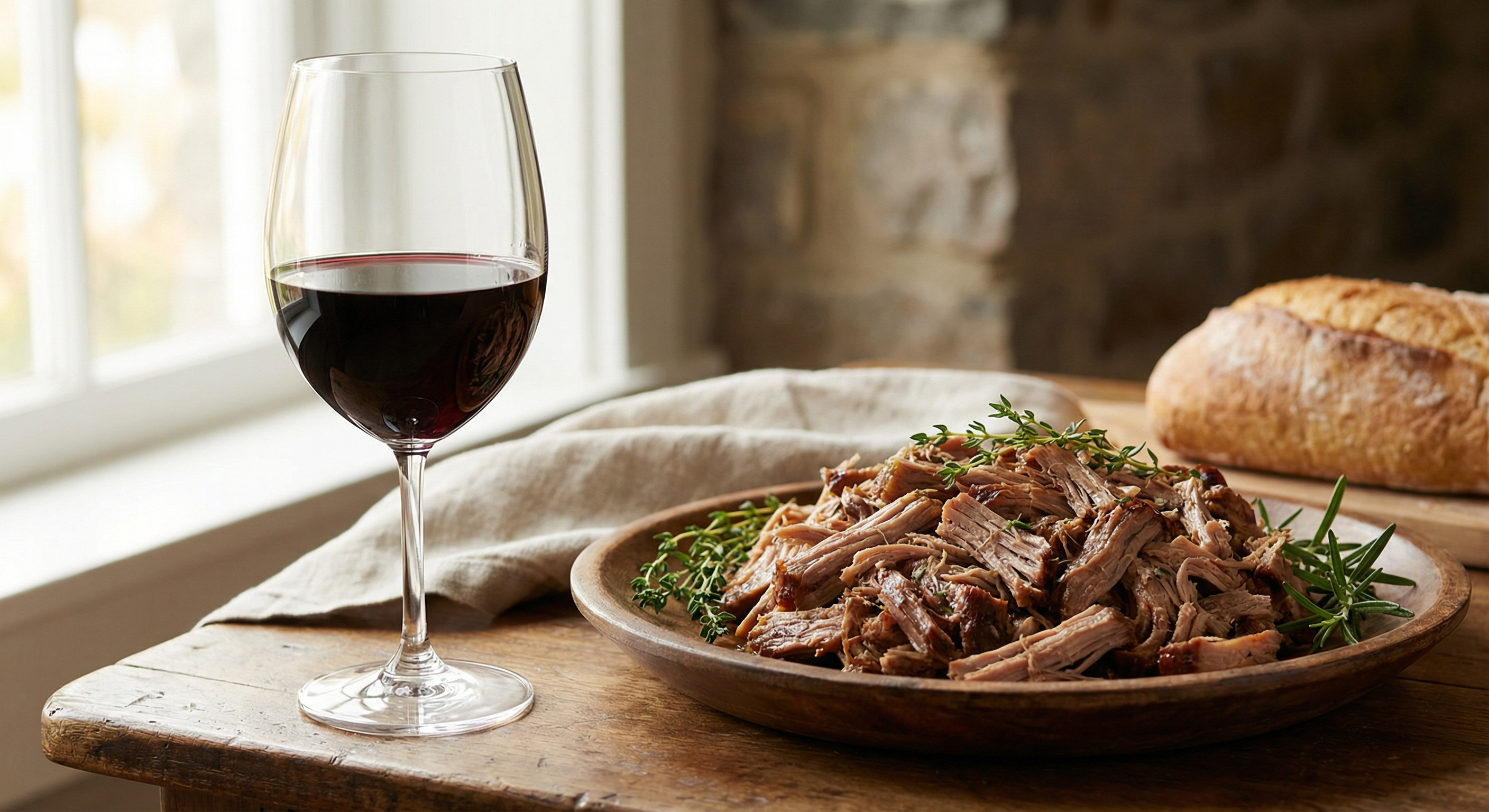
Pulled pork is America's most versatile barbecue, taking on wildly different personalities from region to region. Eastern Carolina's vinegar-spiked pork demands bright acidity. Kansas City's molasses-thick sauce calls for fruit-forward power. Memphis dry rub needs wines that respect the spice blend without fighting it. Each tradition deserves its own wine strategy — and when you match them correctly, you unlock flavors neither the wine nor the pork could achieve alone.
This guide pairs wine with pulled pork across all major American BBQ styles, plus tips for international variations and unconventional cuts.
Author's Note: Over 12 years of pairing wine with barbecue at tastings, competitions, and restaurants across the South, I've learned that wine isn't the default choice at most BBQ joints — but it should be. When done right, wine cuts through fat, complements smoke, and balances sweetness better than beer or bourbon in many cases. These pairings come from hundreds of real-world tests with pitmasters, sommeliers, and diners who care deeply about both the pit and the cellar.
Why Wine Works With Pulled Pork
Traditional BBQ culture leans heavily toward beer and bourbon, but wine offers distinct pairing advantages that match or exceed those classics — especially with pulled pork's layered flavor profile.
Fat solubility: Wine's tannins and acidity cut through rendered pork fat more efficiently than beer's carbonation alone. A sip of Zinfandel or Syrah resets your palate after rich, fatty bites, preventing flavor fatigue.
Acidity balance: Carolina-style pulled pork with vinegar-based sauce needs a wine with matching acidity. Dry rosés and crisp whites like Albariño provide that tartness without adding more sugar to an already balanced plate.
Fruit-forward complexity: Kansas City and Texas-style sweet sauces pair beautifully with wines that have natural fruit sweetness (Zinfandel, Malbec, Grenache) — the wine's berry notes harmonize with molasses, brown sugar, and tomato in the sauce.
Smoke compatibility: Wines aged in oak barrels carry subtle smoky notes themselves. A lightly oaked Tempranillo or Syrah echoes the wood smoke from hickory or mesquite without overwhelming the meat.
According to wine science research published by the UC Davis Department of Viticulture and Enology, tannin-rich red wines create a complementary astringency with fatty proteins, while acidity lifts and refreshes the palate between bites.
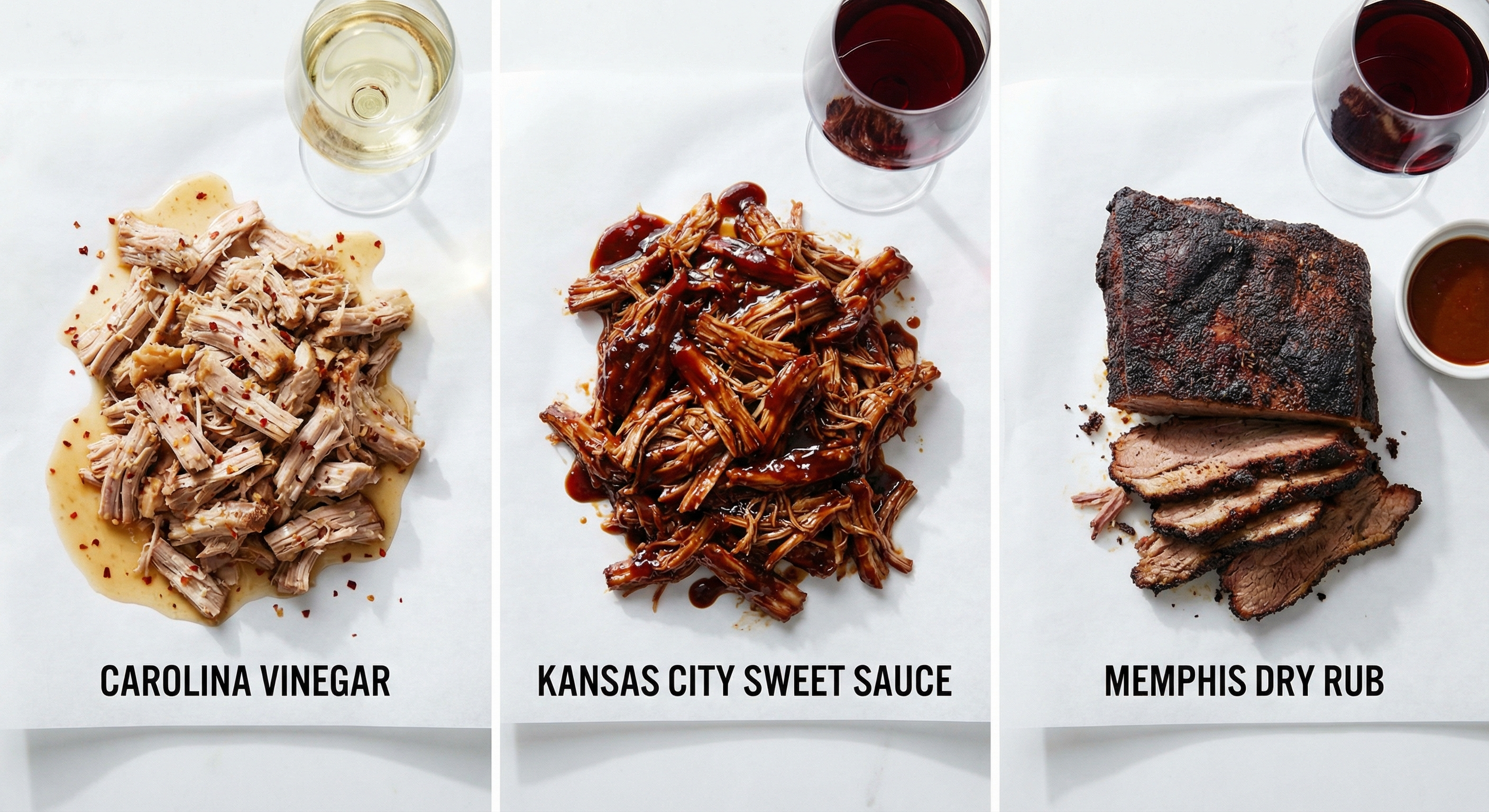
Carolina-Style Pulled Pork: Vinegar & Acidity Pairings
Eastern North Carolina's whole-hog pulled pork is dressed in a thin, tangy vinegar sauce with crushed red pepper and zero tomato. Western Carolina (Lexington style) adds a touch of ketchup or tomato paste for body. Both versions prioritize sharp acidity that cuts through pork fat.
Best Wine Matches for Carolina BBQ
Dry Rosé (Provence, Tavel, or Spanish Rosado): High acidity, bone-dry finish, and red-fruit notes match the vinegar's tang without adding sweetness. In my experience, Provence rosé from Bandol or Côtes de Provence works exceptionally well — the wine's saline minerality complements the pork's savory depth while the acidity refreshes your palate after every bite.
Albariño (Rías Baixas, Spain): Crisp, citrus-forward white with natural acidity that mirrors the vinegar sauce. The wine's slight salinity (from coastal terroir) enhances the pork's seasoning without clashing.
Grüner Veltliner (Austria): Green apple and white pepper notes echo the red pepper flakes in Carolina sauce. Medium body prevents the wine from being steamrolled by the pork's richness.
Sancerre or Pouilly-Fumé (Loire Valley Sauvignon Blanc): Steely acidity and herbaceous minerality cut through fat brilliantly. These wines are particularly effective with whole-hog Carolina barbecue that includes both lean and fatty cuts.
Avoid: Oaky Chardonnay, sweet Riesling, or fruit-forward reds (Zinfandel, Malbec) — they fight the vinegar's acidity and add unwanted sweetness.
Kansas City & Texas-Style: Sweet, Thick Sauce Pairings
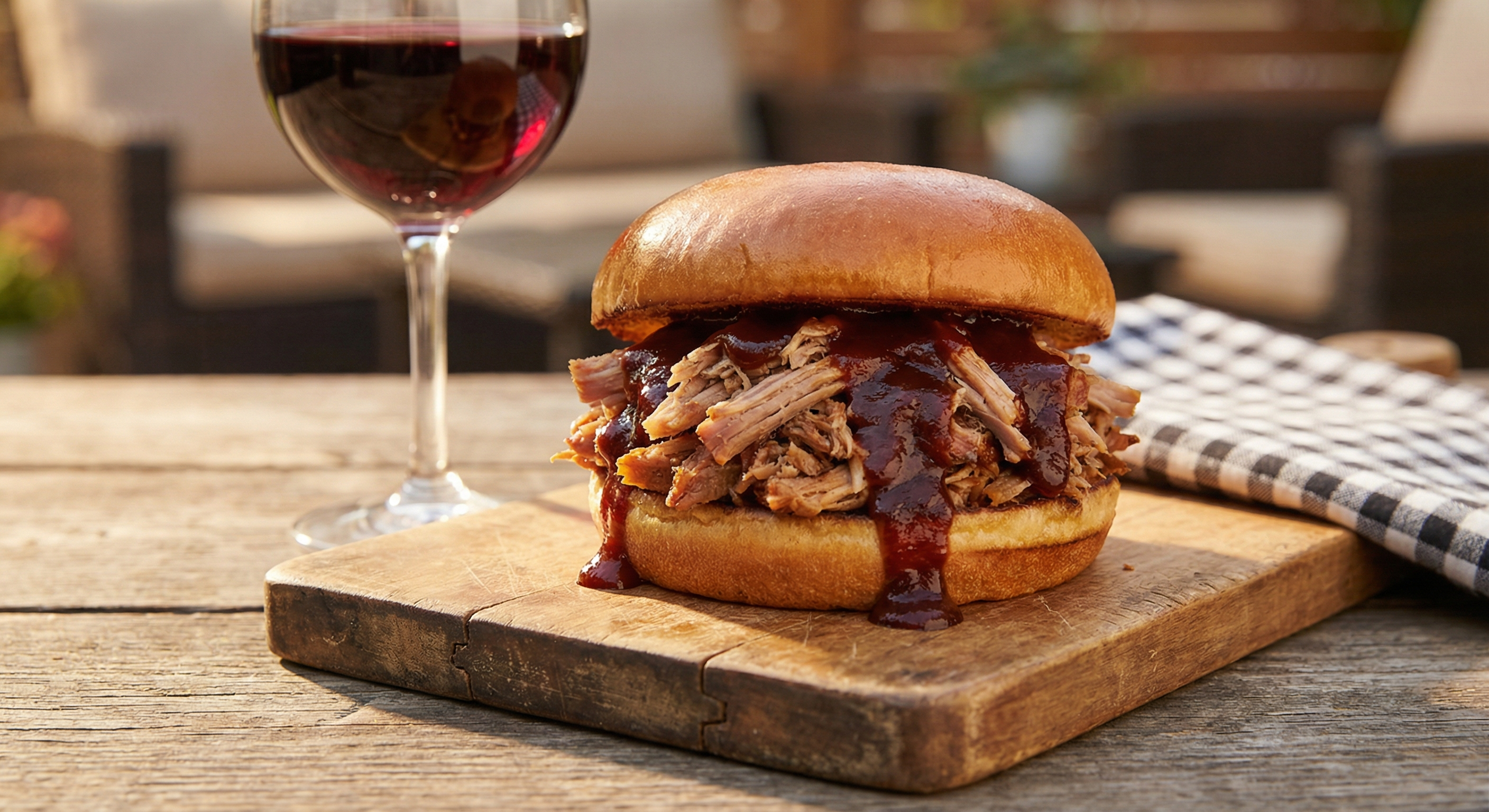
Kansas City sauce is molasses-thick, tomato-based, and loaded with brown sugar, honey, and spices. Texas pulled pork (less common than brisket, but still traditional in East Texas) often uses similar sweet, sticky glazes. These sauces coat your mouth and demand wines with fruit power and enough structure to stand up without being cloying.
Top Wine Choices for Sweet BBQ Sauce
Zinfandel (California, particularly Lodi or Dry Creek Valley): Jammy blackberry and raspberry notes mirror the sauce's sweetness, while 14-15% ABV provides the weight to handle rich pork shoulder. Zinfandel's slight peppery finish also complements BBQ spice rubs.
Malbec (Argentina, especially Mendoza): Plum and dark cherry flavors harmonize with molasses and brown sugar. Malbec's softer tannins don't overpower the pork, and its full body matches the sauce's intensity.
Grenache or GSM blend (Rhône Valley or Spain): Red fruit (strawberry, raspberry), moderate tannins, and a touch of earthiness balance sweet sauce without adding harsh astringency. Châteauneuf-du-Pape works beautifully if you're willing to invest.
Shiraz (Australia, particularly Barossa Valley): Bold, fruit-forward, with hints of smoke and spice. Australian Shiraz's eucalyptus and black pepper notes cut through sweet sauce effectively.
Off-Dry Riesling (German Spätlese or Kabinett): Unconventional but highly effective. The wine's residual sugar matches the sauce's sweetness, while bright acidity prevents the pairing from becoming heavy. This works especially well with Kansas City burnt ends.
According to the Food Lab's barbecue science research, sweet tomato-based sauces contain high levels of umami from the Maillard reaction during cooking, which pairs naturally with fruit-forward wines that have undergone extended oak aging.
Pro Tip: Matching Sauce Thickness With Wine Body
Thicker, stickier sauces need fuller-bodied wines. A thin vinegar sauce pairs with light- to medium-bodied whites and rosés. A molasses-thick Kansas City glaze demands robust reds with 13.5-15% ABV and significant fruit concentration. When I'm pairing at competitions, I use this simple rule: if the sauce coats the back of a spoon, reach for a wine with at least medium-plus body.
Memphis Dry Rub: Spice-Forward, Low-Sauce Pairings
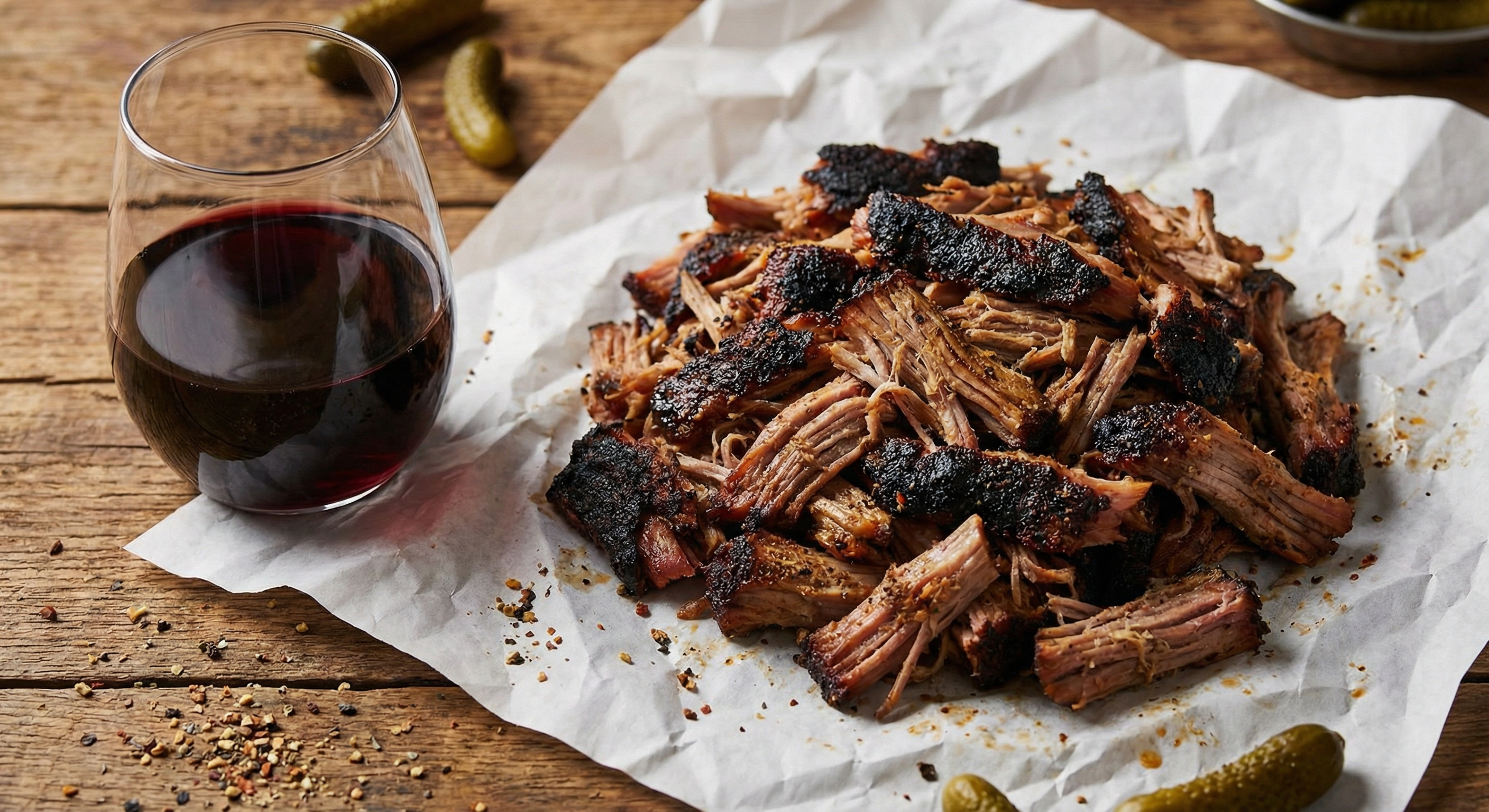
Memphis pulled pork is all about the spice rub — paprika, garlic, onion, black pepper, cayenne, and minimal sauce (often served on the side). The bark is crusty, the meat is smoky, and the heat level varies from mild to assertive. Wines need to respect the spice without fighting it.
Best Wines for Dry Rub Pulled Pork
Tempranillo (Spain, Rioja or Ribera del Duero): Red fruit, earthy undertones, and moderate tannins complement the spice rub without overwhelming the pork. Tempranillo's natural acidity cuts through fat, while oak aging adds subtle smoke that mirrors the pit.
Pinot Noir (Oregon or California Central Coast): Lighter-bodied red that doesn't compete with delicate smoke flavors. Pinot's cherry and mushroom notes enhance the pork's savory crust without adding excessive tannin.
Côtes du Rhône or Crozes-Hermitage (Syrah-based blends): Black pepper and smoked meat notes in the wine echo the dry rub's spices. Medium tannins provide structure without drying out your palate.
Carménère (Chile): Green pepper and herbal notes match the savory elements in Memphis rubs. Softer tannins and moderate acidity make this an approachable choice for spice-forward pork.
Avoid: High-tannin wines (Cabernet Sauvignon, Barolo) — tannins amplify capsaicin heat and can make spicy dry rubs taste bitter.
South Carolina Mustard BBQ: Tangy, Savory Wine Pairings
South Carolina's yellow mustard-based sauce is tangy, slightly sweet, and incredibly savory. The mustard's sharpness demands wines with enough acidity to match but enough fruit to soften the bite.
Top Picks for Mustard-Based Pulled Pork
Viognier (California or Rhône Valley):Apricot and peach notes complement mustard's tanginess, while full body stands up to rich pork shoulder. Viognier's floral aromatics add complexity without clashing.
Chenin Blanc (Vouvray or South Africa): High acidity, honeyed fruit, and a touch of minerality balance mustard's sharpness. Off-dry Vouvray works particularly well if the sauce leans sweet.
Gewürztraminer (Alsace): Lychee and spice notes harmonize with mustard's savory-sweet profile. This is an unconventional choice, but when I tested it at a South Carolina BBQ festival, it was the crowd favorite.
Barbera (Italy, particularly Piedmont): Bright cherry acidity, low tannins, and a savory edge make this Italian red a surprising match for mustard sauce. The wine's natural tartness mirrors the mustard without adding unwanted sweetness.
International Pulled Pork Styles & Wine Pairings
Pulled pork isn't exclusively American. Here are wine pairings for global variations:
Mexican Cochinita Pibil (Yucatán-Style Pulled Pork)
Achiote-marinated pork with citrus and habanero. Pair with: Albariño (matches citrus), dry Riesling (balances heat), or Tempranillo rosé (complements achiote spice).
Cuban Mojo Pulled Pork
Garlic, sour orange, and oregano marinade. Pair with: Verdejo (Spain), Sauvignon Blanc (New Zealand), or Vinho Verde (Portugal) — all provide citrus acidity and herbal freshness.
Korean-Style Pulled Pork (Gochugaru & Gochujang)
Sweet, spicy, fermented heat. Pair with: off-dry Riesling (German or Finger Lakes), Gewürztraminer, or rosé Champagne (effervescence cuts through spice and fat).
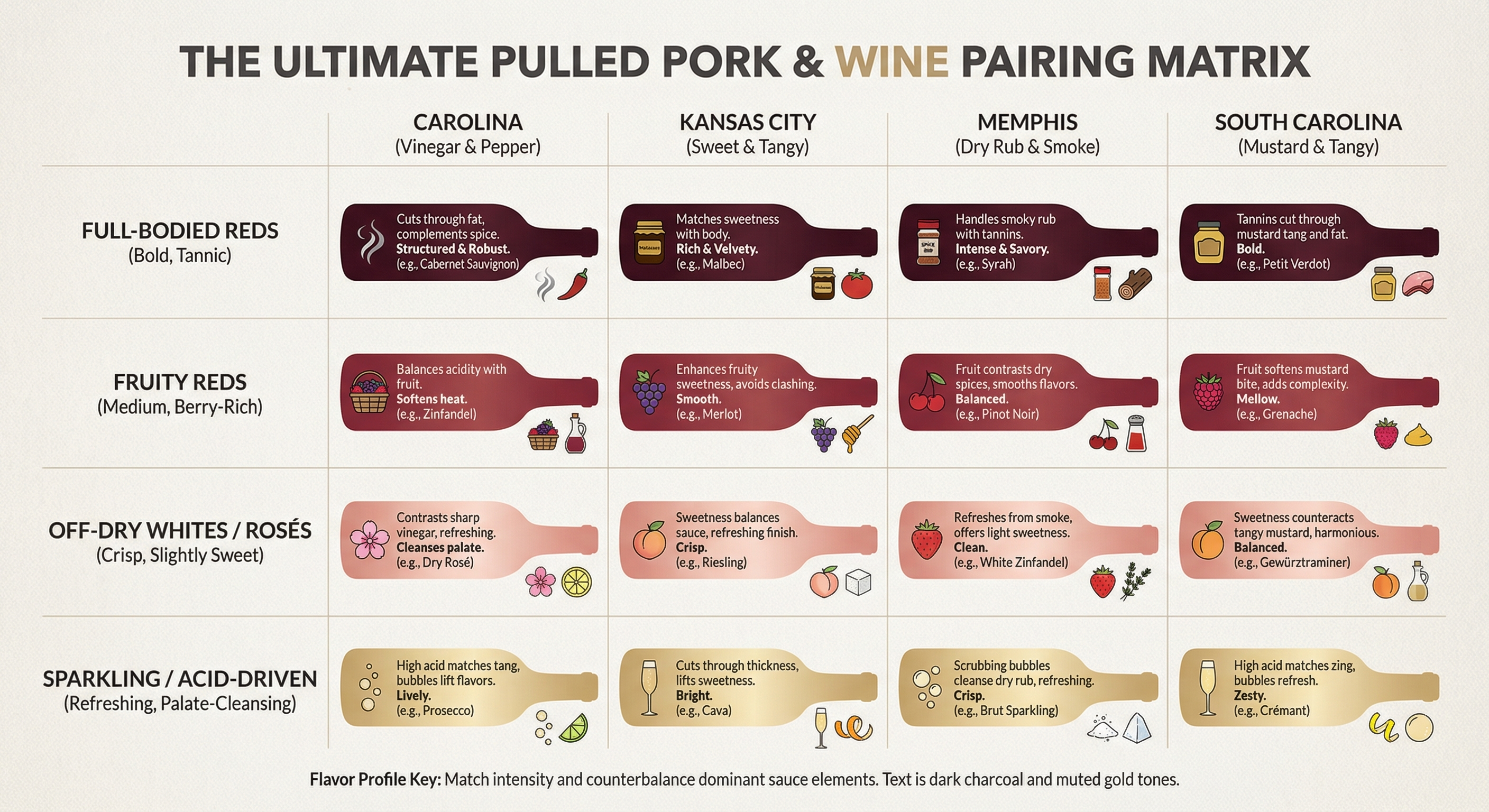
Decision Matrix: Choosing Wine Based on BBQ Style
Use this matrix to quickly identify the best wine category for your pulled pork:
- Vinegar-based sauce (Carolina): Dry whites, bone-dry rosé, crisp Sauvignon Blanc
- Sweet tomato sauce (Kansas City, Texas): Fruit-forward reds (Zinfandel, Malbec, Grenache), off-dry Riesling
- Dry rub, minimal sauce (Memphis): Medium-bodied reds (Tempranillo, Pinot Noir, Syrah blends)
- Mustard-based (South Carolina): Aromatic whites (Viognier, Chenin Blanc, Gewürztraminer), Barbera
- International/fusion styles: Match wine acidity to sauce acidity; match wine body to sauce thickness
Serving Temperature & Glassware Tips
Temperature affects how wine interacts with pulled pork's fat and seasoning:
Red wines: Serve slightly cooler than room temperature (60-65°F). Too warm, and alcohol overwhelms the delicate smoke and spice. I often chill my Zinfandel for 15 minutes before serving with BBQ.
White wines and rosé: Serve cold (45-50°F), but let them warm slightly in the glass. Icy-cold wine mutes fruit and acidity, making it harder to balance rich pork.
Glassware: Use standard red or white wine glasses — no need for specialty stems. The key is having enough room to swirl and release aromatics. At BBQ competitions, I use IKEA wine tumblers because they're durable, affordable, and do the job perfectly.
What to Avoid: Wines That Don't Work With Pulled Pork
Certain wines clash with pulled pork's fat, smoke, or seasoning:
- High-tannin reds (Cabernet Sauvignon, Nebbiolo, Barolo): Tannins bind with pork fat and create a bitter, astringent sensation. They also amplify spice heat.
- Heavily oaked Chardonnay: Buttery, creamy oak clashes with vinegar sauces and competes with the pork's richness.
- Light, delicate wines (Pinot Grigio, Soave, Beaujolais Nouveau): Not enough body to stand up to fatty, heavily seasoned pork. They get steamrolled.
- Very sweet dessert wines (Port, Sauternes): Too much residual sugar overwhelms savory BBQ flavors unless you're pairing with extremely spicy preparations (in which case, proceed carefully).
Budget-Friendly Wine Recommendations for BBQ
You don't need expensive bottles to pair well with pulled pork. Here are reliable, affordable options ($10-$20) that perform consistently:
- Zinfandel: Bogle, 7 Deadly Zins, Ravenswood Vintners Blend
- Malbec: Alamos, Catena, Trapiche
- Tempranillo: Campo Viejo Rioja, Marqués de Cáceres
- Grenache/GSM: Côtes du Rhône (any producer), Château de Beaucastel Coudoulet
- Albariño: Martín Códax, Burgans
- Dry Rosé: Château d'Esclans Whispering Angel (splurge), or any Provence rosé under $20
- Off-dry Riesling: Dr. Loosen, Chateau Ste. Michelle (Columbia Valley)
According to Decanter's wine and food pairing research, perceived wine quality in BBQ pairings correlates more strongly with structural balance (acidity, tannin, body) than price point or prestige.
Advanced Pairing: Matching Wine to Specific Pork Cuts
Not all pulled pork comes from the same cut. Here's how to adjust wine pairings based on the meat itself:
Pork shoulder (Boston butt): Fattiest cut, needs wines with high acidity or moderate tannins to cut through richness. Zinfandel, Malbec, dry rosé.
Pork loin: Leaner, less forgiving of harsh tannins. Pinot Noir, Tempranillo, Chenin Blanc.
Whole hog (mixed cuts): Combination of lean and fatty sections requires versatile wines. Grenache, Côtes du Rhône, Albariño.
Pork belly: Extremely fatty, demands aggressive acidity or effervescence. Champagne, Cava, Sancerre, or bone-dry rosé.
Seasonal Considerations for Wine & Pulled Pork Pairings
Time of year affects optimal wine choices:
Summer BBQs: Lean toward whites and rosés (Albariño, Provence rosé, Grüner Veltliner). Serve cold, prioritize refreshment over complexity.
Fall/Winter BBQs: Shift to fuller-bodied reds (Zinfandel, Malbec, Syrah). Slightly warmer serving temps emphasize wine's structure and complement hearty, smoke-heavy preparations.
Holiday gatherings: If serving pulled pork alongside sides (cornbread, collards, mac and cheese), choose wines that work across the table. Grenache and Côtes du Rhône are your safest bets.
Expert Tips From the Tasting Room
Here are lessons I've learned from thousands of wine-and-BBQ pairings:
1. Taste the sauce separately. Before selecting a wine, taste a small spoonful of the BBQ sauce on its own. Is it sweet, tangy, spicy, or smoky? Let the sauce's dominant flavor guide your wine choice.
2. Don't overthink it. If you're choosing between two wines and can't decide, pick the one with higher acidity. Acidity is the most forgiving structural element in BBQ pairings.
3. Serve wine alongside water. Pulled pork is rich and salty. Guests need water to reset their palates. Wine should enhance the meal, not replace hydration.
4. Offer variety. If you're hosting a BBQ, put out both a red and a white. Let guests experiment. Some people prefer crisp whites with fatty pork; others want bold reds.
5. Chill your reds. Seriously. I chill Zinfandel and Malbec to 60°F before serving with BBQ. It makes the wine more refreshing and prevents alcohol burn.
Related Guides
For more pairing insights across BBQ styles, check out:
- Best Beer with Pulled Pork: Style-by-Style Pairing Guide — Beer pairings for every regional BBQ style
- Best Wine with Brisket: Complete Pairing Guide — Wine strategies for Texas, Kansas City, and Carolina brisket
- Best Whiskey for BBQ: Regional Pairing Guide — Bourbon, rye, and scotch pairings for pulled pork, ribs, and brisket
- What to Serve with Ribs: Complete Side Dish & Beverage Guide — Building a balanced BBQ plate
- Best Wine for Pork: Complete Pairing Guide by Cut & Preparation — Wine pairings for all pork cuts and cooking methods
Final Thoughts: Wine Belongs at the BBQ Table
Wine and barbecue aren't traditional partners in American food culture, but they should be. Wine's acidity, tannin structure, and fruit complexity offer pairing advantages that rival (and often exceed) beer and bourbon — especially with pulled pork's layered flavors and varied regional styles.
The key is matching wine characteristics to sauce profile, spice level, and fat content. Vinegar-based Carolina BBQ wants crisp whites and dry rosés. Sweet Kansas City sauce calls for fruit-forward reds. Memphis dry rub needs moderate tannins and earthy complexity.
Start with these recommendations, trust your palate, and don't be afraid to experiment. The best pairing is the one that makes you reach for another bite — and another sip.
More Pairing Guides
Best Porter and Stout for Beef: Complete Dark Beer Pairing Guide
Dark beers and beef share roasted, caramelized flavors that make them natural partners. Porter and stout bring sweetness, body, and complexity that complement everything from char-grilled ribeye to slow-smoked brisket.
10 min readBest Bourbon for Pork Ribs vs Beef Ribs: Complete Pairing Guide
Pork ribs and beef ribs aren't interchangeable when it comes to bourbon pairing. Fat content, smoke intensity, and flavor depth determine which bottle works best. Here's the complete breakdown.
12 min readBest Bourbon for BBQ Ribs: 7 Perfect Pairings (Tasted & Ranked)
Not every bourbon works with every style of ribs. Here are 7 bourbon pairings ranked by rib type, sauce style, and smoke profile — with specific bottles tested against real BBQ.