Best White Wine With Steak: When to Break the Red Wine Rule
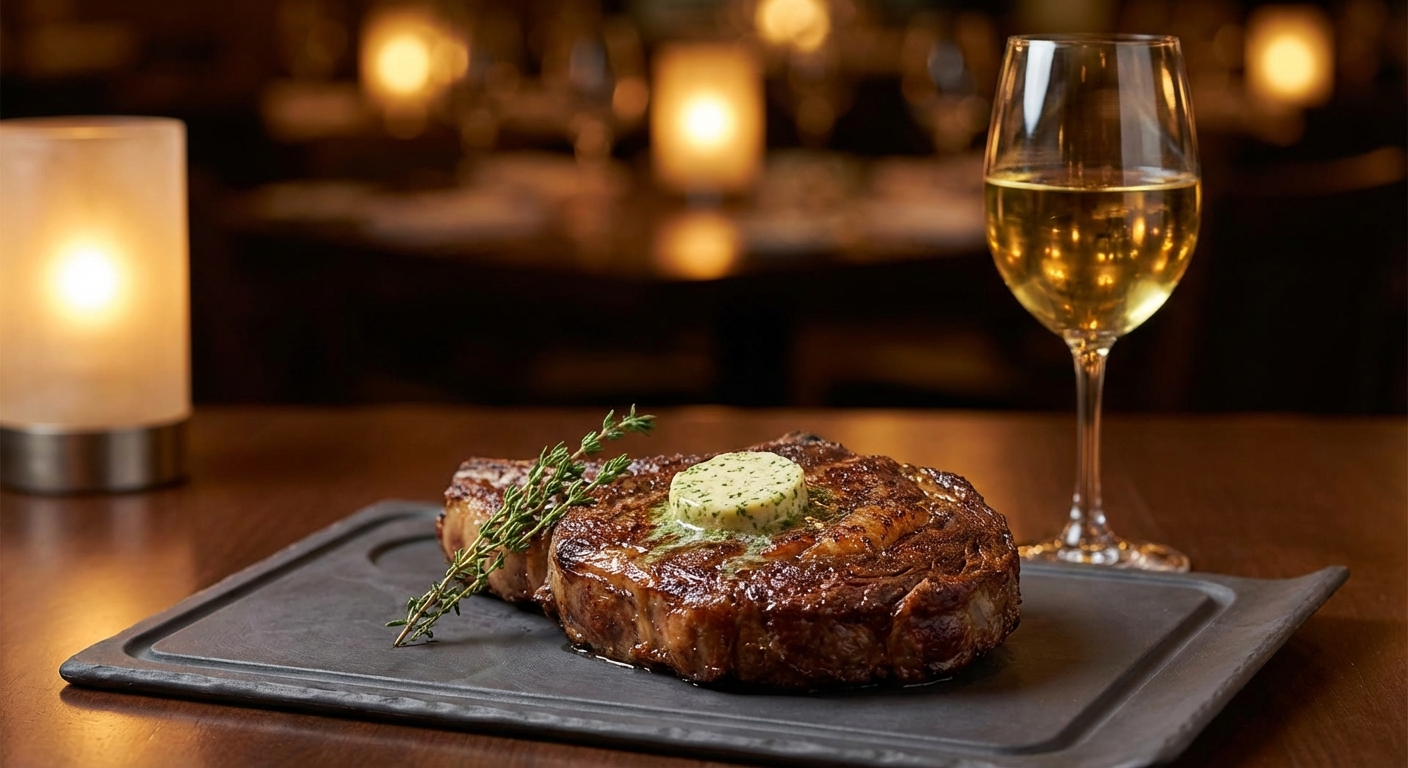
Every wine guide starts the same way: steak goes with red wine. Cabernet, Malbec, maybe a Syrah if you are feeling adventurous. The tannins cut the fat. The body matches the richness. Case closed.
Except it is not that simple. Professional sommeliers regularly pair white wine with steak — and not as a gimmick. Certain white wines handle beef better than mediocre reds, especially when you factor in preparation, sauce, and marbling level. The key is understanding which whites have the structure, acidity, and body to stand next to a seared piece of beef without getting bulldozed.
This guide breaks down the best white wines for steak — which cuts they complement, why the chemistry works, and specific bottles worth buying.
Why White Wine Works With Steak: The Science
The red-wine-with-steak rule exists because of tannins. Tannins bind to fat and protein, creating a cleansing effect that resets your palate between bites. White wines lack significant tannins. So why do some work?
Acidity replaces tannins. High-acid white wines cut through fat just as effectively as tannins — through a different mechanism. Acid stimulates saliva production, physically washing fat from your palate. Think of squeezing lemon on rich fish. The same principle applies to steak.
Oak adds weight. White wines aged in oak barrels pick up vanilla, toast, and butterscotch compounds — the same flavor family as a seared steak crust. Oaked Chardonnay or white Burgundy has enough body and complexity to match beef without being overwhelmed.
Residual sugar balances char. The slight sweetness in off-dry whites like Riesling or Gewürztraminer can balance the bitter char notes from a hard sear or grill. This is the same reason sweet BBQ sauce works on blackened meat.
Temperature contrast. A chilled white wine against hot, rich steak creates a sensory contrast that makes both more interesting. The cold wine feels refreshing; the steak feels more indulgent. This contrast is especially valuable with heavily marbled cuts like wagyu.
The Best White Wines for Steak
1. Oaked Chardonnay — The Closest to Red
Full-bodied, buttery, with oak-driven vanilla and toast. This is the white wine that red wine drinkers reach for, and the most natural steak companion in the white wine world.
Why it works with steak: The oak aging gives Chardonnay weight, body, and a flavor profile that overlaps with seared beef. Butter notes echo a butter-basted steak. The moderate acidity handles fat without the astringency of tannins.
Best cuts: Filet mignon, NY strip, tenderloin. Leaner cuts that do not need aggressive tannins to cut through fat.
Bottle picks:
- Rombauer Chardonnay (Carneros) — Rich, buttery, classic California style
- Cakebread Cellars Chardonnay (Napa) — Balanced oak, crisp finish
- Meursault Premier Cru (Burgundy) — Elegant, mineral, with restrained oak
Preparation match: Pan-seared with butter and thyme, steak Diane, filet with cream sauce.
2. White Burgundy (Unoaked or Lightly Oaked Chardonnay)
More restrained than California Chardonnay, with minerality, citrus, and a steely backbone. White Burgundy is the sommelier's choice for steak — elegant enough to not overpower, structured enough to not disappear.
Why it works with steak: The high acidity and mineral character act like a palate scrubber between bites of rich beef. The wine does not compete with the meat — it frames it. Think of it as a complement rather than a match.
Best cuts: Filet mignon, veal chop, any lean cut with a cream or mushroom sauce.
Bottle picks:
- Chablis Grand Cru (especially Les Clos) — Flinty, precise, mineral-driven
- Puligny-Montrachet — Rich but elegant, with hazelnut and citrus
- Saint-Véran — Accessible Burgundy with fresh acidity
Preparation match: Filet with truffle butter, steak au poivre with cream, veal scallopini.
3. Off-Dry Riesling — The Wagyu Secret
Aromatic, high-acid, with a touch of sweetness that balances richness. Riesling is the white wine that works best with the fattiest steaks — including Japanese A5 wagyu.
Why it works with steak: Riesling's acid-to-sugar ratio is perfectly calibrated for rich food. The acidity cuts fat. The sweetness balances char and salt. The aromatic complexity (petrol, stone fruit, lime) adds a dimension that red wine cannot offer. German and Alsatian Rieslings have been paired with rich pork and foie gras for centuries — the jump to rich beef is natural.
Best cuts: Japanese A5 wagyu, American wagyu ribeye, any preparation with Asian flavors (ponzu, soy, ginger).
Bottle picks:
- Dr. Loosen Erdener Treppchen Riesling Spätlese — Classic Mosel, off-dry perfection
- Trimbach Riesling Cuvée Frédéric Emile (Alsace) — Dry-ish, powerful, mineral
- Grosset Polish Hill Riesling (Clare Valley) — Australian precision, lime and slate
Preparation match: Yakiniku-style wagyu, tataki, steak with teriyaki glaze, any Asian-inflected preparation.
4. Viognier — Floral Power
Full-bodied, aromatic, with stone fruit and floral notes. Viognier has the weight of oaked Chardonnay but a completely different flavor profile — more exotic, more perfumed.
Why it works with steak: The full body stands up to beef. The stone fruit and apricot notes complement the caramelized crust. The low acidity means it does not fight the meat — it wraps around it.
Best cuts: Grilled steaks, especially with herb rubs or chimichurri. The floral aromatics play beautifully against fresh herbs.
Bottle picks:
- Condrieu (Northern Rhône) — The benchmark. Expensive but extraordinary
- Yalumba The Virgilius Viognier (Eden Valley) — Australian quality at better value
- Horton Vineyards Viognier (Virginia) — Surprising quality from an unexpected region
Preparation match: Grilled steak with herb butter, chimichurri steak, steak with roasted peaches.
5. Champagne and Sparkling Wine — The Sommelier Favorite
High acidity, effervescence, toasty autolysis notes, and a palate-cleansing effect that no still wine can match. Champagne with steak is a professional sommelier move that sounds wrong but tastes extraordinary.
Why it works with steak: The bubbles physically scrub fat from your palate — more effectively than any acid or tannin. The toasty, biscuity notes from extended yeast aging mirror seared crust flavors. Vintage Champagne has enough depth and complexity to match rich beef. This is the definitive wagyu pairing for people who have tried everything.
Best cuts: Japanese A5 wagyu (the ultimate pairing), tartare, carpaccio, thinly sliced wagyu.
Bottle picks:
- Krug Grande Cuvée — Rich, complex, powerful enough for A5
- Dom Pérignon — Elegant depth that matches wagyu refinement
- Bollinger Special Cuvée — Pinot-dominant richness for everyday celebrations
Preparation match: Japanese A5 wagyu (any preparation), beef tartare, steak frites with a celebration mindset.
6. Gewürztraminer — The Bold Choice
Intensely aromatic, full-bodied, with lychee, rose, and ginger notes. Gewürztraminer is polarizing — people love it or find it too perfumed. With the right steak, it is revelatory.
Why it works with steak: The exotic spice notes complement pepper-crusted or spice-rubbed steaks in ways red wine cannot. The residual sugar balances heat from peppercorns or chili. The full body holds its ground against rich beef.
Best cuts: Pepper-crusted steak, steak with spice rubs, any preparation with Asian spices.
Bottle picks:
- Zind-Humbrecht Gewürztraminer (Alsace) — Complex, concentrated, dry-leaning
- Hugel Gewürztraminer (Alsace) — Classic, approachable, good value
Preparation match: Steak au poivre, five-spice rubbed steak, steak with ginger-soy glaze.
7. White Rhône Blends (Marsanne-Roussanne)
Rich, waxy, with almond, white flowers, and stone fruit. These Southern Rhône whites have the body and texture to handle beef better than most whites.
Why it works with steak: The waxy, almost oily texture coats the palate in a way that mirrors how red wine interacts with beef fat. The almond and stone fruit notes complement browned butter and seared crust. Low acidity means the wine does not clash with umami-heavy preparations.
Best cuts: Veal, pork chops (technically not steak but close), filet with butter sauce.
Bottle picks:
- Château de Beaucastel Blanc (Châteauneuf-du-Pape) — The benchmark
- Tablas Creek Esprit de Tablas Blanc (Paso Robles) — California meets Rhône
Preparation match: Butter-basted steaks, veal chop, steak with béarnaise.
White Wine and Steak: Cut-by-Cut Quick Reference
Filet Mignon → Oaked Chardonnay or White Burgundy (elegant wine for an elegant cut)
NY Strip → Full-bodied Chardonnay or Viognier (enough weight to match moderate marbling)
Ribeye → Champagne or off-dry Riesling (need acid or bubbles to cut heavy fat)
Japanese A5 Wagyu → Champagne or Riesling Spätlese (extreme fat needs extreme palate cleansing)
Pepper-Crusted → Gewürztraminer (spice meets spice)
Grilled with Herbs → Viognier or Condrieu (floral matches herbal)
Steak with Cream Sauce → Chablis or White Burgundy (acid cuts cream)
When White Wine Is Actually Better Than Red
There are specific situations where white wine is not just acceptable — it is the superior choice:
Japanese A5 wagyu. The extreme fat content (40-50% intramuscular) overwhelms most red wines. Tannins become bitter and harsh against that much richness. Champagne or Riesling handles the fat through acidity and effervescence, and the lighter flavor profile lets the beef speak.
Steak with cream sauce. Béarnaise, truffle cream, mushroom cream — these preparations add dairy richness that makes tannic reds taste metallic. White Burgundy or oaked Chardonnay integrates with the cream and elevates both.
Summer grilling. A chilled white on a hot evening with a grilled steak is more refreshing than room-temperature red. The temperature contrast wakes up your palate. Choose Viognier or full-bodied Chardonnay.
Asian preparations. Teriyaki, ponzu, soy-based sauces, ginger — these flavors fight most red wines. The sweetness clashes with tannins. Off-dry Riesling or Gewürztraminer are built for these flavor profiles.
Steak tartare and carpaccio. Raw beef has no Maillard crust, no char, no caramelization — the things that make red wine and cooked steak work together. With raw preparations, Champagne or crisp Chablis is the natural partner.
Common Mistakes When Pairing White Wine With Steak
Choosing too light a wine. Pinot Grigio, Sauvignon Blanc, and most crisp whites lack the body to stand next to beef. They get crushed. Stick to full-bodied whites with some oak or residual sugar.
Serving too cold. White wine straight from the fridge (38-40°F) numbs your palate and mutes the wine's complexity. Pull the bottle 20 minutes before serving — aim for 50-55°F with steak. You want it cool, not cold.
Fighting the preparation. If your steak is simply salt-and-pepper seared with no sauce, red wine is almost certainly the better call. White wine shines when there are additional flavor elements — cream, herbs, Asian sauces, truffle — that create affinity with the wine.
Ignoring the cut's fat content. Lean cuts (filet, sirloin) are easier to pair with white wine because there is less fat to manage. Heavily marbled cuts require whites with serious acid or effervescence.
Building a White Wine Arsenal for Steak Night
Keep these bottles on hand for when the mood or menu calls for white:
- Everyday ($20-35): California oaked Chardonnay or Alsace Riesling
- Step up ($40-70): Meursault, Chablis Grand Cru, or quality Condrieu
- Celebration ($80+): Vintage Champagne or Puligny-Montrachet Premier Cru
The best way to discover your preferences? Open a white and a red on steak night. Try the same cut with both wines. You will be surprised how often the white holds its own — or wins outright.
Related Reading
- Best Red Wine With Steak — the classic pairing guide
- Best Wine With Steak — our comprehensive overview
- Best Wine for Wagyu Steak — specialized wagyu pairings
- Best Sake for Wagyu — another unconventional pairing that works
For the best steak experience, start with quality beef. The Meatery's Japanese A5 wagyu paired with vintage Champagne is one of the most memorable meals you can serve at home.
Frequently Asked Questions
Can you really pair white wine with steak?
Yes. Full-bodied whites like oaked Chardonnay, Champagne, and off-dry Riesling work well with steak. The key is choosing whites with enough body and acidity to stand up to beef. They work through acidity and effervescence rather than tannins to cleanse the palate between bites.
What is the best white wine for ribeye?
Champagne or off-dry Riesling. Ribeye heavy marbling needs serious palate cleansing, and the bubbles in Champagne or the acid-sugar balance in Riesling handles that better than most still white wines. Avoid light-bodied whites like Pinot Grigio — they get overwhelmed.
Is white wine or red wine better with steak?
Red wine is the traditional choice and works best with simply seasoned, seared steaks. White wine is actually better with cream-sauced preparations, Asian-inflected steaks, Japanese A5 wagyu, and summer grilling when you want a refreshing contrast. Neither is universally better — it depends on the cut and preparation.
Why do sommeliers pair Champagne with wagyu?
Japanese A5 wagyu has 40-50% intramuscular fat — so much richness that tannic red wines taste bitter against it. Champagne high acidity and effervescence physically scrub fat from the palate, while its toasty complexity from yeast aging matches the caramelized crust. It sounds unusual but it is one of the most celebrated pairings in fine dining.
What white wine goes with steak and cream sauce?
White Burgundy (Chablis or Meursault) or oaked Chardonnay. Cream sauces like béarnaise add dairy richness that can make tannic reds taste metallic. The white wine acidity cuts through both the cream and the beef fat, while its weight matches the richness of the preparation.
More Pairing Guides
Best Bourbon for Pork Ribs vs Beef Ribs: Complete Pairing Guide
Pork ribs and beef ribs aren't interchangeable when it comes to bourbon pairing. Fat content, smoke intensity, and flavor depth determine which bottle works best. Here's the complete breakdown.
12 min readBest Bourbon for BBQ Ribs: 7 Perfect Pairings (Tasted & Ranked)
Not every bourbon works with every style of ribs. Here are 7 bourbon pairings ranked by rib type, sauce style, and smoke profile — with specific bottles tested against real BBQ.
10 min readBest Wine with Tri-Tip: Expert Pairing Guide
Tri-tip demands wines with enough structure to match its intensity while complementing its smoky, savory profile.