Best Wine for Roast Beef: A Complete Pairing Guide by Cut & Preparation
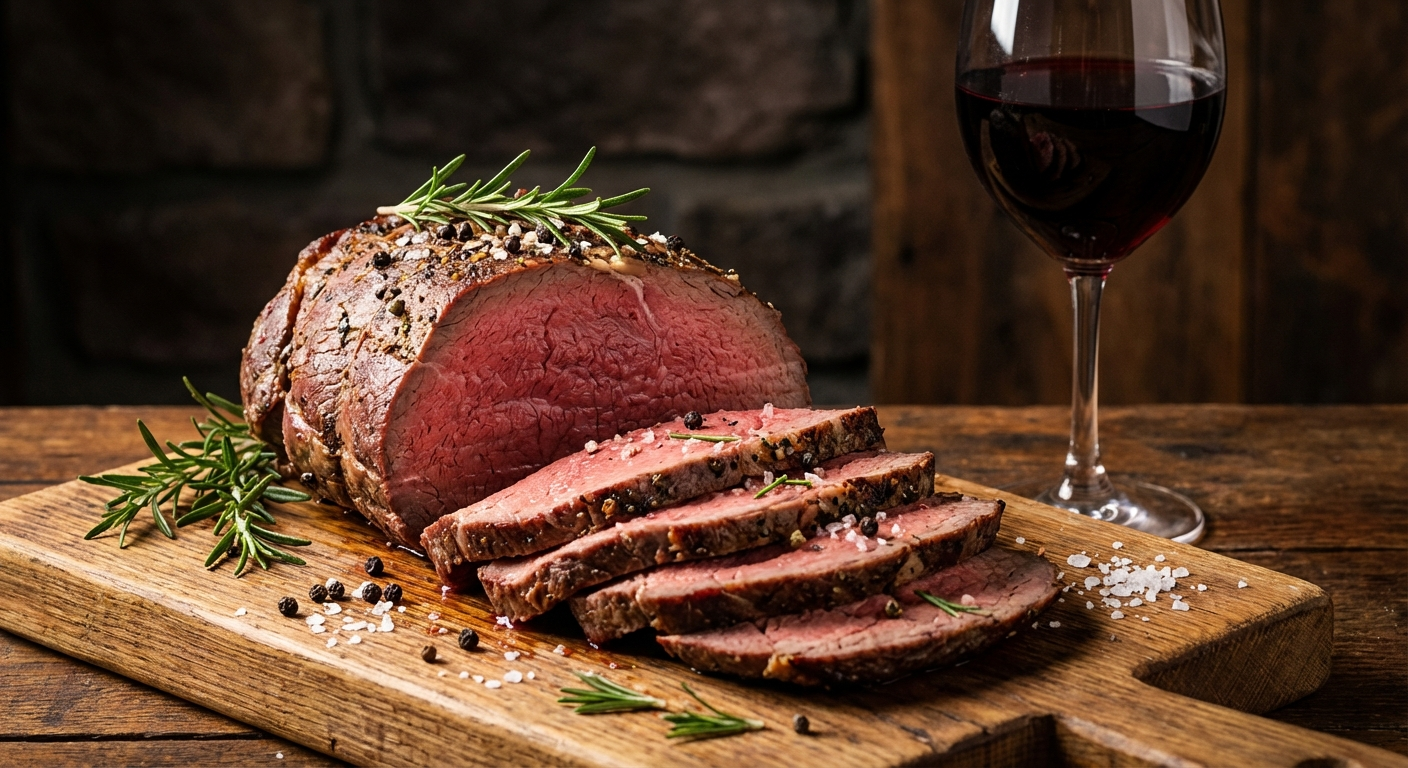
Roast beef and wine is one of the oldest food pairings in Western cooking — and one of the most misunderstood. People default to "red wine with beef" without thinking about what makes a roast fundamentally different from a seared steak. The cooking method changes everything: slow roasting develops deep, caramelized flavors and concentrated drippings that create rich gravies. The wine you choose needs to match that depth.
A grilled ribeye wants a bold, fruit-forward Cabernet. A slow-roasted standing rib wants something with more earthiness, more structure, and enough acidity to cut through that Yorkshire pudding and horseradish cream. The difference matters.
This guide breaks down the best wines for every major roast beef preparation — from Sunday prime rib to weeknight pot roast — with specific bottle recommendations and the reasoning behind each pairing.
Why Roast Beef Requires Different Wine Thinking
Three characteristics separate roast beef from grilled or pan-seared steaks when it comes to wine pairing:
Deeper flavor development. Slow roasting at lower temperatures (250-350°F for extended periods) creates Maillard reaction compounds throughout the meat, not just on the surface. The result is a more complex, concentrated beef flavor that needs wines with their own complexity — not just power.
Rich pan drippings and gravy. Roast beef almost always comes with gravy made from the drippings. That gravy adds umami, fat, and often wine or stock to the equation. Your pairing wine needs to complement the gravy as much as the meat itself.
Multiple accompaniments. A roast beef dinner is a complete affair — roasted potatoes, vegetables, Yorkshire pudding, horseradish sauce. The wine needs to work with the entire plate, not just the protein. This favors medium-bodied wines with good acidity over massive, extracted blockbusters.
Best Wine for Prime Rib (Standing Rib Roast)
Prime rib is the king of roast beef — a bone-in rib section slow-roasted to pink perfection, with a caramelized exterior and buttery, marbled interior. The fat content is substantial, and the flavors are rich and luxurious.
Cabernet Sauvignon — The Power Match
Napa Valley or Bordeaux Cabernet Sauvignon is the benchmark pairing for prime rib. The wine's firm tannins cut through the marbling, while its dark fruit and cedar notes complement the roasted, caramelized exterior. This is a pairing where both elements have enough presence to stand up to each other without either being overwhelmed.
Best picks: Napa Valley Cabernet (Caymus, Silver Oak, Jordan), Left Bank Bordeaux (Haut-Médoc, Saint-Julien), or Washington State Cabernet (Col Solare, Quilceda Creek).
Serving tip: Decant for 30-45 minutes. Prime rib is rich enough to handle young, tannic Cabernet, but decanting softens the edges and lets the wine's complexity emerge.
Bordeaux Blend — The Classic Choice
A Left Bank Bordeaux (Cabernet-dominant with Merlot, Petit Verdot, and Cabernet Franc) offers more complexity than single-varietal Cabernet. The blending adds layers — Merlot softens the mid-palate, Petit Verdot adds color and spice, Cab Franc contributes herbal notes that echo roasting herbs.
Best picks: Classified Bordeaux from Margaux, Pauillac, or Saint-Estèphe. For value, look at Haut-Médoc or Moulis appellations — similar quality, a fraction of the price.
What to Avoid with Prime Rib
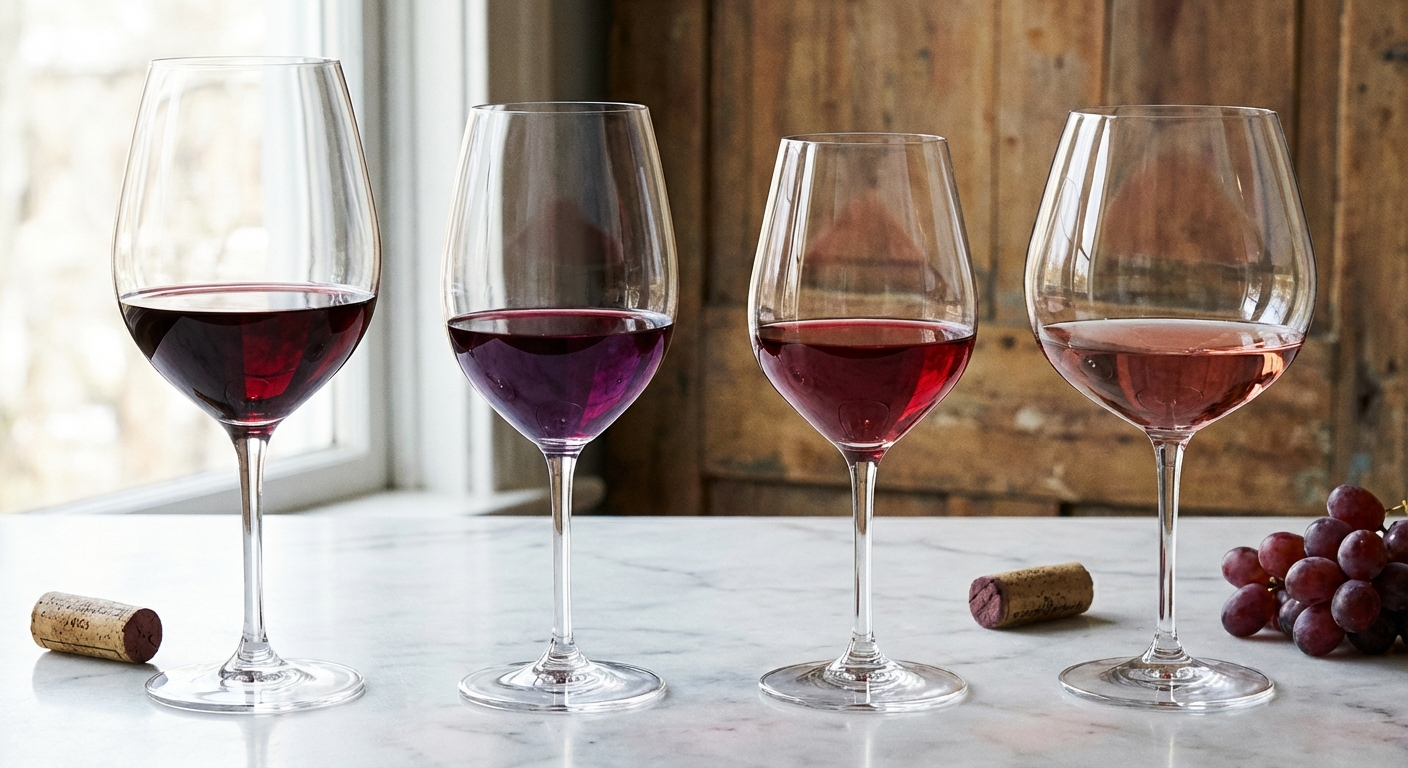
Skip light-bodied reds like Beaujolais or Valpolicella — they will be steamrolled by the richness. Also avoid overly oaky, high-alcohol wines (16%+ ABV) that can make the pairing feel heavy and cloying. You want structure, not brute force.
Best Wine for Beef Tenderloin Roast
A whole roasted beef tenderloin is elegant, lean, and subtle — the opposite of prime rib in many ways. The meat is incredibly tender but lacks the fat-driven flavor of rib cuts. Wine pairings should add richness and complexity without overwhelming the tenderloin's delicate character.
Burgundy Pinot Noir — Elegance Meets Elegance
This is the definitive pairing. Red Burgundy — with its earthy mushroom notes, bright cherry fruit, and silky texture — mirrors the tenderloin's refinement. The wine's acidity cuts cleanly, and its lighter body does not bulldoze the meat's subtle flavors.
Best picks: Village-level Burgundy from Volnay, Chambolle-Musigny, or Gevrey-Chambertin. For special occasions, step up to Premier Cru or Grand Cru.
Why it works: Tenderloin is lean — it does not have enough fat to soften heavy tannins. Pinot Noir's lighter tannin structure is perfectly calibrated. The earthy notes (mushroom, truffle, forest floor) add the complexity that the lean meat lacks on its own.
Oregon Pinot Noir — The New World Alternative
Willamette Valley Pinot Noir offers slightly riper fruit and a touch more body than Burgundy, making it an excellent match for beef tenderloin served with mushroom sauce or herb crust. The cherry and cranberry notes play beautifully with roasted garlic and thyme.
Best picks: Domaine Drouhin Oregon, Cristom, Beaux Frères, or Eyrie Vineyards.
Best Wine for Sunday Roast Beef (Top Round, Eye of Round)
The classic British-style Sunday roast uses leaner, less expensive cuts — top round, eye of round, or sirloin tip — slow-roasted and sliced thin. The meat is less fatty than prime rib but gains flavor from long cooking and the rich gravy that accompanies it. Yorkshire pudding, roasted potatoes, and horseradish are traditional partners.
Côtes du Rhône — The Everyday Hero
A southern Rhône blend (Grenache, Syrah, Mourvèdre) is built for exactly this kind of meal. Medium body, ripe red fruit, soft tannins, and herbal notes that echo the roasting herbs. These wines are food-friendly by nature — they complement rather than compete.
Best picks: Côtes du Rhône Villages (Gigondas, Vacqueyras, Rasteau), E. Guigal Côtes du Rhône, or Château de Beaucastel's entry-level Coudoulet de Beaucastel.
Why it works: The gravy is the key here. Rhône blends have the savory, herbal character that matches pan-dripping gravy beautifully. Their moderate tannins work with leaner meat, and the price point matches the everyday nature of a Sunday roast.
Rioja Reserva — The Spanish Alternative
Spanish Tempranillo aged in oak develops leather, vanilla, and tobacco notes that complement roast beef's deep, savory character. Rioja Reserva (aged 3+ years) has integrated tannins that work with both the meat and the gravy without aggressive astringency.
Best picks: López de Heredia Viña Tondonia, Muga Reserva, La Rioja Alta Viña Ardanza, CVNE Imperial.
Best Wine for Pot Roast (Braised Beef)
Pot roast — chuck or brisket braised in liquid until fork-tender — is the most flavor-intensive roast beef preparation. The braising liquid, vegetables, and collagen-rich meat create a deeply savory, almost stew-like dish. Wines need to match that intensity while providing freshness.
Barolo or Barbaresco — Italian Power
Nebbiolo from Piedmont has the perfect combination of high acidity, firm tannins, and complex aromatics (tar, roses, cherries, dried herbs) for braised beef. The wine's natural acidity cuts through the rich braising liquid, while its tannins stand up to the collagen-heavy meat. This is one of the world's great food wine pairings.
Best picks: Entry-level Barolo from Pio Cesare, Vietti, or G.D. Vajra. Langhe Nebbiolo for a budget-friendly alternative with similar character.
Zinfandel — The American Choice
California Zinfandel's bold, jammy fruit and peppery spice stand up to rich braised beef. The wine's warmth and generosity match the comfort-food nature of pot roast. Choose moderate-alcohol examples (14-15%) rather than overripe styles.
Best picks: Ridge Geyserville, Turley, Seghesio Sonoma, or Ravenswood Lodi.
Wine Pairing by Roast Beef Doneness
How you cook the roast affects which wines work best:
Rare to Medium-Rare (120-135°F)
The meat retains more natural juiciness and iron-rich flavor. Wines with bright acidity and moderate tannins work best — they complement without masking the beef's clean, mineral quality.
Best match: Pinot Noir (Burgundy or Oregon), lighter Bordeaux blends, Dolcetto.
Medium (140-150°F)
The sweet spot for most roasts. Caramelization has developed, fat has rendered, and flavors are concentrated. This is where full-bodied reds shine.
Best match: Cabernet Sauvignon, Bordeaux blends, Barolo, Côtes du Rhône.
Well-Done (160°F+)
More caramelized, drier, with concentrated savory flavors. The meat can handle bolder, more tannic wines. Rich sauces or gravies are essential here, and the wine should match both.
Best match: Bold Cabernet, Shiraz, Malbec, Zinfandel.
Matching Wine to Your Gravy and Sauce
The accompaniments often drive the wine choice more than the meat itself:
Classic beef gravy (pan drippings): Bordeaux blend or Côtes du Rhône. The wine's savory notes mirror the gravy's depth.
Horseradish cream: Wines with higher acidity — Nebbiolo, Sangiovese, or cool-climate Syrah. The acidity balances the horseradish's heat and the cream's richness.
Red wine reduction: Match the wine in the sauce. If you braised with Cabernet, pour Cabernet. Consistency creates harmony.
Mustard sauce: Pinot Noir or lighter Rhône blends. Mustard's pungency can clash with heavily tannic wines, but medium-bodied reds with good acidity complement it beautifully.
Yorkshire pudding: The pudding absorbs gravy and adds starchy richness. Wines with acidity (Sangiovese, Barbera, Tempranillo) cut through the combination of beef fat, gravy, and bread pudding.
The Quick Reference Chart
| Roast Type | Best Wine | Why It Works |
|---|---|---|
| Prime Rib | Cabernet Sauvignon / Bordeaux | Bold tannins match rich marbling |
| Beef Tenderloin | Burgundy Pinot Noir | Elegance for lean, subtle meat |
| Sunday Roast (Round) | Côtes du Rhône / Rioja | Medium body, food-friendly acidity |
| Pot Roast (Braised) | Barolo / Zinfandel | Structure for rich braising liquid |
| Rare Roast | Pinot Noir | Bright acidity, moderate tannins |
| Medium Roast | Bordeaux Blend | Full body, balanced structure |
| Well-Done Roast | Shiraz / Malbec | Bold enough for concentrated flavors |
Budget-Friendly Pairings That Deliver
You do not need to spend $50+ per bottle. These under-$20 options work beautifully:
Côtes du Rhône (under $15): E. Guigal or Perrin & Fils. Reliable, food-friendly, endlessly versatile with roast beef.
Argentine Malbec ($12-18): Catena, Altos Las Hormigas, or Trapiche. Velvety and plush, with enough structure for rich roasts.
Portuguese Douro Red ($10-15): Touriga Nacional blends from the Douro Valley. These are some of the best values in wine — dark fruit, firm tannins, and earthy complexity that punches way above its price point.
Montepulciano d'Abruzzo ($10-12): Soft tannins, plummy fruit, easy-drinking. Perfect for casual weeknight pot roast.
Wine Temperature for Roast Beef Dinner
Temperature matters more than most people realize:
Full-bodied reds (Cabernet, Bordeaux, Barolo): Serve at 62-65°F (17-18°C). Too warm and they taste soupy and alcoholic alongside rich meat.
Medium-bodied reds (Côtes du Rhône, Rioja, Pinot Noir): Serve at 58-62°F (14-17°C). Slightly cooler preserves fruit and acidity.
Quick fix: If your wine has been at room temperature, 15 minutes in the refrigerator brings it into range. If it has been in a wine fridge (55°F), let it warm for 10-15 minutes on the counter.
Building a Roast Beef Wine Collection
Keep these four styles on hand and you are covered for any roast beef dinner:
- Everyday: Côtes du Rhône or Rioja Crianza ($12-18)
- Sunday Dinner: Rioja Reserva or Chianti Classico ($20-35)
- Special Occasion: Napa Cabernet or classified Bordeaux ($40-80)
- Celebration: Barolo or Premier Cru Burgundy ($60-120)
Our Recommendation
The best roast beef dinner starts with the best beef. For a Sunday roast that truly impresses, start with quality cuts — The Meatery's American Wagyu collection includes roasting cuts with the marbling that makes the difference between good and unforgettable. Pair with a well-chosen bottle, and you have a meal worth remembering.
Related Reading
Frequently Asked Questions
What is the best red wine for roast beef?
Cabernet Sauvignon is the best all-around choice for roast beef — its firm tannins cut through the richness while dark fruit and cedar notes complement the caramelized exterior. For leaner roasts like beef tenderloin, Burgundy Pinot Noir is the superior match. For braised pot roast, Barolo or Zinfandel handles the intense flavors best.
Can you pair white wine with roast beef?
White wine is not the traditional choice, but a full-bodied, oaked Chardonnay can work with lighter roast beef preparations — especially cold roast beef sandwiches or beef tenderloin with cream sauce. For hot roast beef with gravy, red wine remains the superior pairing.
What wine goes with roast beef and Yorkshire pudding?
A medium-bodied red with good acidity works best — Côtes du Rhône, Rioja Reserva, or Chianti Classico. The wine needs enough acidity to cut through the combination of beef fat, gravy, and starchy pudding without being so tannic that it clashes.
Should I use the same wine for cooking and drinking with roast beef?
Using the same wine (or at least the same grape variety) for cooking and drinking creates harmony on the plate. If you braise with Cabernet, drink Cabernet. If your gravy includes red wine, match that style. The flavors reinforce each other.
What is the best cheap wine for roast beef?
Côtes du Rhône (around $12-15) is the best value for roast beef — food-friendly, medium-bodied, with herbal notes that match gravy. Argentine Malbec ($12-18) and Portuguese Douro reds ($10-15) also deliver excellent quality for the price.
More Pairing Guides
Best Bourbon for Pork Ribs vs Beef Ribs: Complete Pairing Guide
Pork ribs and beef ribs aren't interchangeable when it comes to bourbon pairing. Fat content, smoke intensity, and flavor depth determine which bottle works best. Here's the complete breakdown.
12 min readBest Bourbon for BBQ Ribs: 7 Perfect Pairings (Tasted & Ranked)
Not every bourbon works with every style of ribs. Here are 7 bourbon pairings ranked by rib type, sauce style, and smoke profile — with specific bottles tested against real BBQ.
10 min readBest Wine with Tri-Tip: Expert Pairing Guide
Tri-tip demands wines with enough structure to match its intensity while complementing its smoky, savory profile.