Best Wine with Prime Rib: 7 Pairings That Actually Work
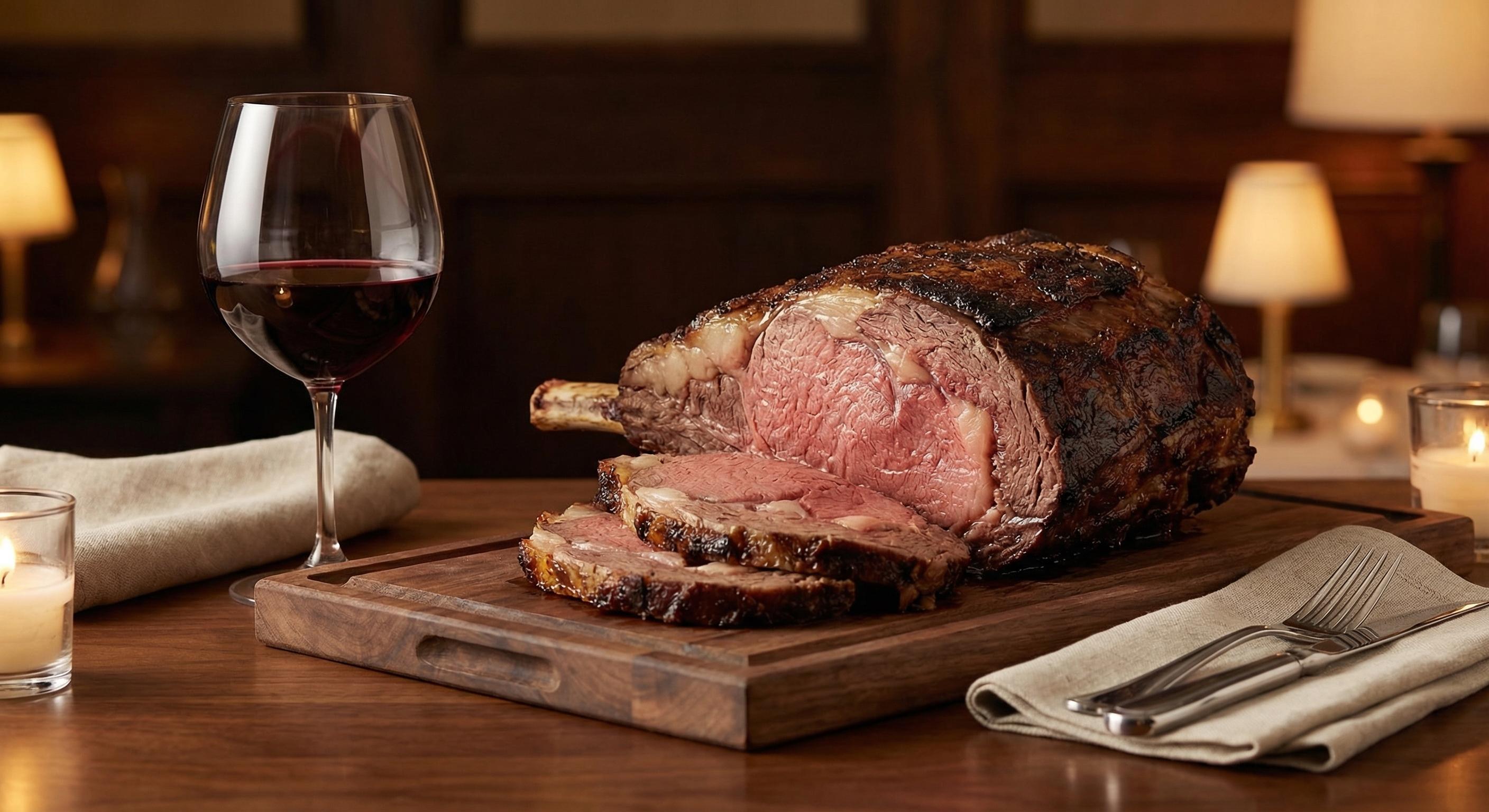
Prime rib is the king of roasts — a slow-cooked standing rib roast with a crusty, herb-seasoned exterior and a pink, juicy interior that practically melts on contact. It shows up at holiday tables, anniversary dinners, and high-end steakhouses for good reason: nothing else delivers that combination of tenderness, richness, and deep beef flavor.
But that richness creates a pairing challenge. Prime rib is heavily marbled, slow-roasted to develop concentrated beefy flavor, and often served with au jus or horseradish cream — all of which affect how wine interacts with the meat. The wrong wine gets buried under all that fat. The right one cuts through it, amplifies the beef’s savory depth, and makes every bite taste better than the last.
After years of pouring wine at steakhouse tables and hosting holiday dinners, these are the seven wines I reach for when prime rib is on the menu — and the flavor science behind each pairing.
Why Prime Rib Needs a Specific Wine Approach
Prime rib is not the same animal as a pan-seared ribeye, even though both come from the same primal cut. The cooking method changes everything about how wine interacts with the meat.
Slow roasting concentrates flavor. A ribeye cooked fast over high heat develops a hard sear but keeps a relatively mild interior. Prime rib spends hours in a low oven, allowing intramuscular fat to slowly render and baste the meat from within. The result is a more concentrated, deeply savory flavor profile — almost like a natural reduction of beef essence.
The fat content is extreme. Prime rib is cut from ribs 6 through 12, the most heavily marbled section of the cow. A USDA Prime standing rib roast can have 25–35% intramuscular fat — significantly more than a trimmed ribeye steak. That fat coats your palate, demanding a wine with enough tannin and acidity to break through.
Accompaniments matter. Au jus adds savory liquid. Horseradish cream adds heat and dairy richness. Yorkshire pudding adds starch. These traditional sides create a more complex flavor landscape than a simple steak-and-potatoes plate, and the wine needs to navigate all of it.
The ideal prime rib wine has three qualities: bold enough tannins to handle the fat, enough acidity to refresh between bites, and enough complexity to match the roast’s depth without overwhelming it.
1. Napa Valley Cabernet Sauvignon — The Power Match
If there is one wine built for prime rib, it is Napa Valley Cabernet Sauvignon. The combination is so natural that steakhouses across America have made it their house pairing for decades.
Why it works: Napa Cabernet brings everything prime rib needs. Bold, ripe tannins grip the fat and strip it from your palate, resetting you for each bite. Dark fruit — cassis, blackberry, black cherry — provides a sweet counterpoint to the meat’s savory intensity. And the oak-driven notes of vanilla, cedar, and toast echo the roast’s crusty, herb-seasoned exterior.
The key is choosing a Cabernet with enough structure to stand up to the richness without being so tannic that it fights the food. Look for wines with 3–7 years of age — enough time for the tannins to soften while retaining their grip.
Budget pick: Louis M. Martini Cabernet Sauvignon, Sonoma County (~$22). Reliable structure and dark fruit at an accessible price.
Splurge pick: Silver Oak Alexander Valley (~$85). Seamless integration of fruit, oak, and tannin — practically designed for a holiday rib roast.
2. Bordeaux Blend (Left Bank) — The Elegant Classic
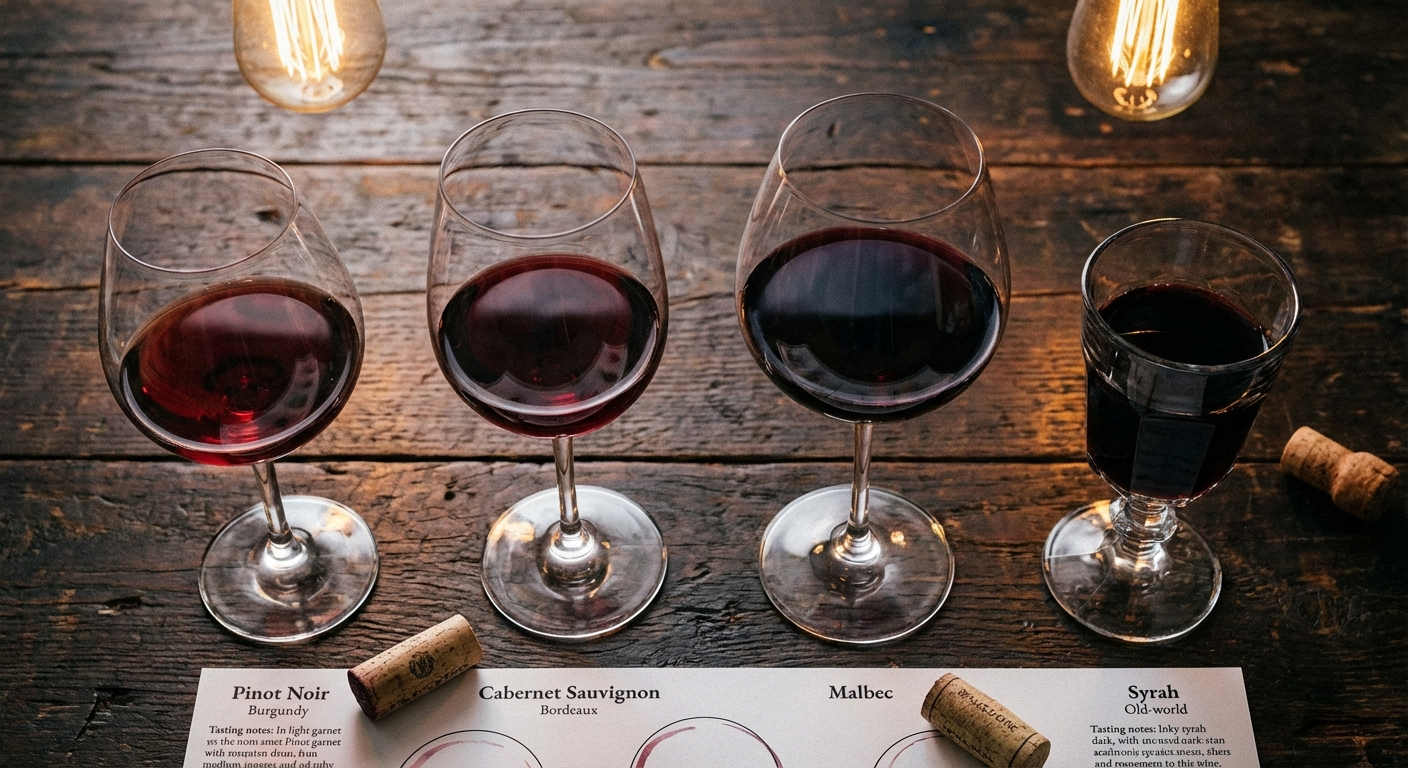
Where Napa Cabernet brings power, Left Bank Bordeaux brings finesse. These Cabernet-dominant blends from Médoc, Pauillac, and Saint-Julien add Merlot for softness and Cabernet Franc for aromatics, creating a wine with layers of complexity that unfold alongside a slow meal.
Why it works: Bordeaux’s higher natural acidity (compared to Napa) provides sharper palate-cleansing action between rich bites. The tannins are firm but integrated, creating structure without harshness. And the flavor profile — graphite, cedar, dark plum, and tobacco — speaks the same savory language as slow-roasted beef.
Bordeaux also ages magnificently, which matters for prime rib occasions. A 10–15-year-old classified growth with softened tannins and developed secondary flavors (leather, earth, dried herbs) creates a pairing that transcends both the wine and the food.
Budget pick: Château Potensac, Médoc (~$30). Consistent quality, classic Bordeaux structure.
Splurge pick: Château Léoville Barton, Saint-Julien (~$70). Old-school Bordeaux elegance with outstanding food compatibility.
3. Barolo — The Italian Powerhouse
Barolo is the wine of kings, and prime rib is the king of roasts. The pairing is majestic — two heavyweight champions meeting in the ring and making each other better.
Why it works: Nebbiolo, the grape behind Barolo, produces wines with extraordinarily high tannins and acidity in the same glass. That rare combination is devastating against prime rib’s fat. The tannins bind with the richness while the acidity slices through whatever the tannins miss. Meanwhile, Barolo’s complex aromatics — rose petal, tar, dried cherry, truffle, leather — add layers of flavor complexity that match the roast’s depth.
A word of caution: young Barolo (under 5 years) can be brutally tannic. For prime rib, look for bottles with 7–12 years of age, where the tannins have resolved into a firm but velvety texture.
Budget pick: Marchesi di Barolo Barolo (~$35). Accessible, well-structured, a gateway to Nebbiolo.
Splurge pick: Vietti Barolo Castiglione (~$65). Balance of power and perfume that elevates the entire table.
4. Syrah / Northern Rhône — The Smoky Complement
If your prime rib has a peppercorn crust, a smoked salt rub, or any preparation with smoky, spicy character, Northern Rhône Syrah is your wine. Côte-Rôtie and Hermitage produce Syrahs with dark fruit, cracked pepper, cured meat, and violet aromatics that amplify everything great about a seasoned roast.
Why it works: Syrah contains rotundone, the compound responsible for black pepper flavor. When you pair a peppery wine with a peppery crust on prime rib, the two don’t compete — they harmonize. The result is a unified pepper-and-beef experience that neither element could create alone.
The Rhône also produces Syrah with a meaty, savory character — notes of cured olive, leather, and smoked meat. These match prime rib’s slow-roasted depth in a way that fruit-forward wines cannot replicate.
Budget pick: Domaine Fayolle Crozes-Hermitage (~$25). Peppery, medium-bodied, excellent value from the Northern Rhône.
Splurge pick: E. Guigal Côte-Rôtie Brune et Blonde (~$65). Iconic Northern Rhône Syrah with extraordinary complexity.
5. Argentine Malbec — The Crowd Pleaser
For a dinner party where not everyone is a wine geek, Argentine Malbec delivers. It is bold enough to handle prime rib’s richness, approachable enough for casual drinkers, and priced well enough to pour generously.
Why it works: Malbec’s signature is velvet — soft tannins wrapped in plush dark fruit (plum, blackberry, blueberry) with a hint of cocoa and spice. This textural softness creates a harmonious match with prime rib’s melt-in-your-mouth interior, while the fruit sweetness provides a pleasant counterpoint to the beef’s savory intensity.
High-altitude Malbecs from Mendoza’s Uco Valley add natural acidity from cool-climate growing conditions, which improves the palate-cleansing effect. Look for single-vineyard bottlings from Altamira, Gualtallary, or Vista Flores for more structure and depth.
Budget pick: Catena Malbec (~$16). Widely available, consistently good, genuine value.
Splurge pick: Catena Zapata Nicasia Malbec (~$45). Single-vineyard depth and complexity that punches above its price.
6. Amarone della Valpolicella — The Bold Italian
Amarone is one of the few wines with enough sheer intensity to match prime rib pound for pound. Made from dried Corvina grapes, this Veneto powerhouse delivers concentrated fruit, high alcohol, and a velvety richness that mirrors the roast’s indulgent character.
Why it works: The drying process (appassimento) concentrates sugars and flavors, producing wines with raisin, dark cherry, chocolate, and spice notes. These sweet-savory flavors bridge prime rib’s caramelized exterior and its rich, juicy interior. The wine’s weight and glycerol-like texture match the meat’s mouthfeel, creating textural harmony.
Amarone is particularly effective with prime rib served alongside sweet-savory accompaniments — roasted root vegetables, fig jam, or balsamic-glazed onions. The wine’s natural sweetness echoes these elements without clashing.
Budget pick: Bertani Amarone (~$55). Traditional style, well-balanced, approachable.
Splurge pick: Allegrini Amarone della Valpolicella (~$85). Rich but refined, with enough acidity to keep things fresh.
7. Aged Burgundy (Pinot Noir) — The Contrarian Pick
This is the pairing that surprises everyone at the table. Burgundy Pinot Noir seems too delicate for a massive prime rib — until you try it with a rare-to-medium-rare center slice where the beef is at its most tender and least charred.
Why it works: Aged Burgundy (8–15 years) develops earthy, savory notes — mushroom, dried leaves, truffle, game — that connect with prime rib’s slow-roasted umami. The wine’s high acidity acts as a scalpel, cutting precisely through the fat without the blunt force of heavy tannins. And the silky texture matches the beef’s melt-on-the-tongue tenderness.
This is not an everyday pairing. It works best with a simply seasoned roast (salt, pepper, herbs), served rare to medium-rare, without heavy sauces. Let both the wine and the beef speak for themselves.
Budget pick: Joseph Drouhin Bourgogne Pinot Noir (~$18). Light but elegant, a taste of Burgundy’s character.
Splurge pick: Domaine de la Vougeraie Vougeot Premier Cru (~$85). Village-level complexity with Premier Cru depth.
Pairing by Prime Rib Preparation
How you prepare and serve prime rib affects which wine works best:
Classic salt-and-pepper roast: Napa Cabernet or Bordeaux. Clean flavors let the wine shine.
Herb-crusted (rosemary, thyme, garlic): Bordeaux or Northern Rhône Syrah. Both have herbal notes that echo the crust.
Peppercorn-crusted: Syrah or Barolo. Pepper-on-pepper harmony.
Slow-smoked prime rib: Australian Shiraz or Malbec. Smoky fruit handles the smokiness without competing.
With au jus: Any of the seven work, but Bordeaux excels — its savory character merges with the concentrated beef drippings.
With horseradish cream: Malbec or young Napa Cabernet. The fruit sweetness tames the horseradish’s heat.
Temperature and Service Tips
Prime rib dinners tend to be long, multi-course affairs. Wine service details matter more here than at a quick weeknight steak dinner.
Serve reds slightly cool: 60–65°F is ideal. If the wine has been at room temperature (70°F+), 15 minutes in the refrigerator before serving makes a noticeable difference. Too-warm wine feels heavy against already-rich beef.
Decant young wines: If pouring a Cabernet or Barolo under 10 years old, decant 30–60 minutes before serving. The oxygen softens tannins and opens aromatics, making the wine more food-friendly.
Plan for two bottles: A prime rib dinner for 4–6 people benefits from two different wines. Start with something lighter (Burgundy or Malbec) and move to something bolder (Cabernet or Barolo) as the meal progresses and palates adjust to the richness.
Quick Reference Chart
| Wine | Best For | Price Range |
|---|---|---|
| Napa Cabernet | Classic pairing, holiday roasts | $22–$85 |
| Bordeaux Blend | Herb-crusted, with au jus | $30–$70 |
| Barolo | Special occasions, pepper crust | $35–$65 |
| Northern Rhône Syrah | Smoked or peppered prime rib | $25–$65 |
| Argentine Malbec | Dinner parties, casual elegance | $16–$45 |
| Amarone | Bold flavors, root vegetables | $55–$85 |
| Aged Burgundy | Rare slices, simple seasoning | $18–$85 |
Where Quality Beef Starts
The best wine pairing in the world cannot save mediocre beef. For a prime rib dinner worth opening your best bottles, start with properly graded, well-marbled beef. The Meatery’s American wagyu collection includes beautifully marbled rib roasts that deliver the richness and tenderness that make these wine pairings sing. For an unforgettable holiday centerpiece, their Japanese A5 wagyu takes the prime rib experience to an entirely different level.
Related Pairing Guides
- Best Wine with Ribeye — similar cut, different cooking method
- Best Bourbon for Steak — spirit pairings for beef lovers
- Best Red Wine with Steak — our comprehensive red wine guide
- Beef Cuts Wine Pairing Chart — visual reference for all cuts
Frequently Asked Questions
What is the best red wine for prime rib?
Napa Valley Cabernet Sauvignon is the most reliable match for prime rib. Its bold tannins cut through the roast’s heavy marbling, while dark fruit and oak notes complement the seasoned crust. For special occasions, Left Bank Bordeaux adds elegance and complexity.
Can you pair white wine with prime rib?
While red wine is strongly preferred, a full-bodied, oaked Chardonnay (white Burgundy like Meursault) can work with rare prime rib slices. However, the roast’s richness and concentrated beef flavor generally overwhelm white wines. Stick with reds for the best experience.
How many bottles of wine do I need for a prime rib dinner?
Plan one bottle per two guests, plus one extra for variety. For a dinner of 4–6 people, two different bottles — one lighter (Malbec or Burgundy) and one bolder (Cabernet or Barolo) — gives guests options and lets you explore which pairing they prefer.
Does the doneness of prime rib affect wine pairing?
Yes. Rare to medium-rare prime rib has a more delicate, buttery character that pairs beautifully with elegant wines like aged Burgundy. Well-done prime rib develops stronger, more concentrated flavors that need bolder wines like Cabernet or Barolo to match.
What wine goes with prime rib and horseradish?
Fruit-forward wines like Argentine Malbec or young Napa Cabernet work best with horseradish cream. The fruit sweetness tempers the horseradish’s heat, while the wine’s tannins still handle the beef’s richness. Avoid delicate wines — horseradish will overpower them.
More Pairing Guides
Best Bourbon for Pork Ribs vs Beef Ribs: Complete Pairing Guide
Pork ribs and beef ribs aren't interchangeable when it comes to bourbon pairing. Fat content, smoke intensity, and flavor depth determine which bottle works best. Here's the complete breakdown.
12 min readBest Bourbon for BBQ Ribs: 7 Perfect Pairings (Tasted & Ranked)
Not every bourbon works with every style of ribs. Here are 7 bourbon pairings ranked by rib type, sauce style, and smoke profile — with specific bottles tested against real BBQ.
10 min readBest Wine with Tri-Tip: Expert Pairing Guide
Tri-tip demands wines with enough structure to match its intensity while complementing its smoky, savory profile.